
August 18, 2026
Wi-Fi 7 is arriving in more access points, computers, phones, and residential networking equipment, but replacing a router does not automatically create a high-performance estate network. In a large custom home, reliable wireless performance depends on the entire infrastructure behind the access points: structured cabling, fiber, switching, equipment-room design, radio-frequency conditions, device placement, power, cybersecurity, and documentation.
For homeowners, architects, builders, estate managers, and project teams planning a new property or modernizing an existing one, the useful question is not simply, “What is the fastest Wi-Fi?” It is, “What network architecture will remain reliable across the whole property, with all of the systems that depend on it?”
Wi-Fi 7 introduces capabilities intended to increase throughput, reduce latency, and improve reliability. Wi-Fi Alliance identifies Multi-Link Operation as a major feature, allowing compatible devices to use multiple links, while 320 MHz channels can provide additional channel width in countries where the 6 GHz band is available for Wi-Fi. These capabilities can be valuable, but the benefits depend on compatible client devices, spectrum availability, access-point placement, interference, and the wired network feeding each access point.
That is why a Wi-Fi 7 project should begin with the property rather than the product box.
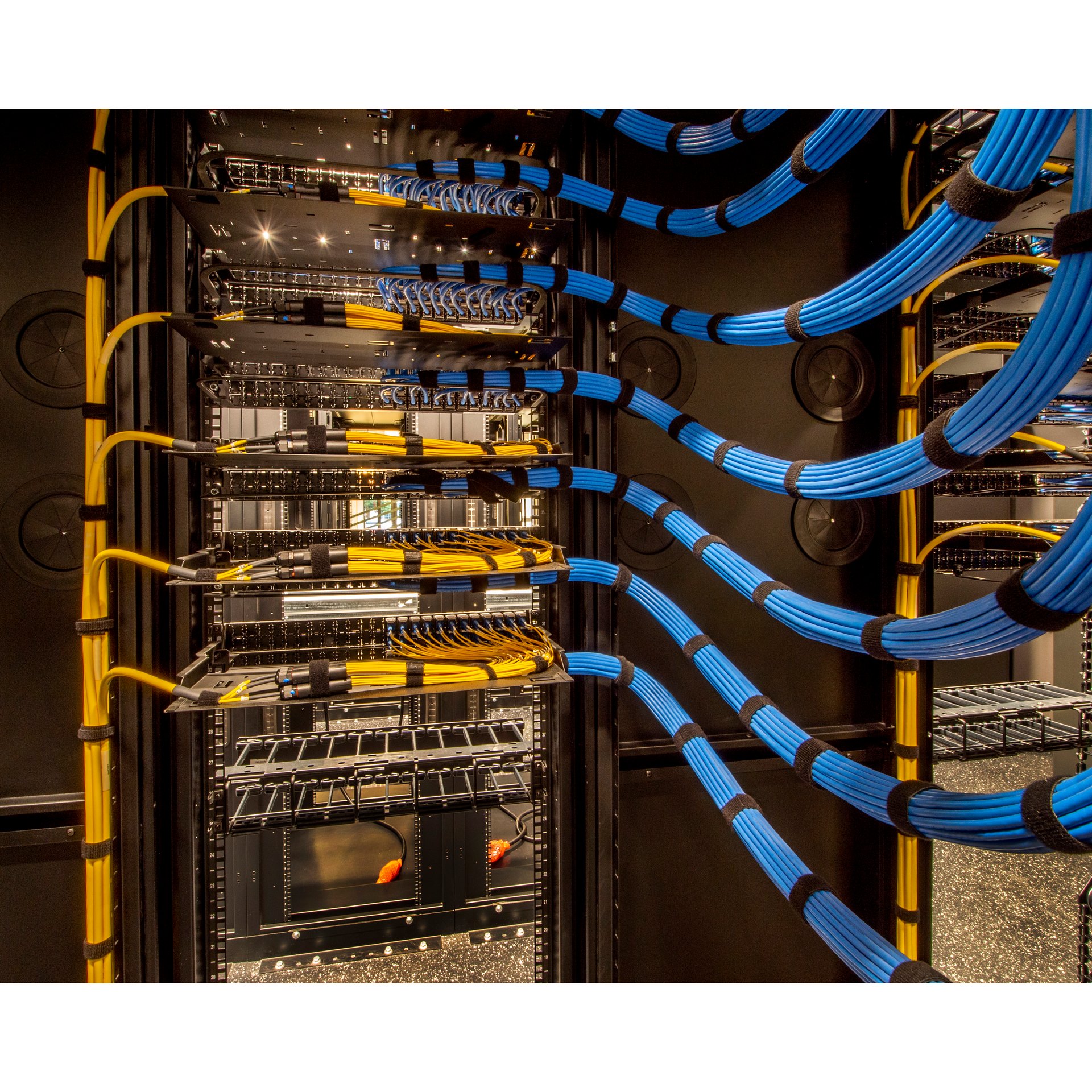
A wireless access point is only one part of the network. In a professionally designed system, access points are typically connected back to managed switching through dedicated structured cabling or fiber rather than relying entirely on wireless mesh backhaul. Wired backhaul gives each access point a predictable path to the network and makes capacity, troubleshooting, power, and future upgrades easier to manage.
For a large home, this can also reduce the temptation to place access points wherever a consumer router happens to have signal. Access points can instead be located where coverage, roaming, capacity, architecture, and serviceability require them.

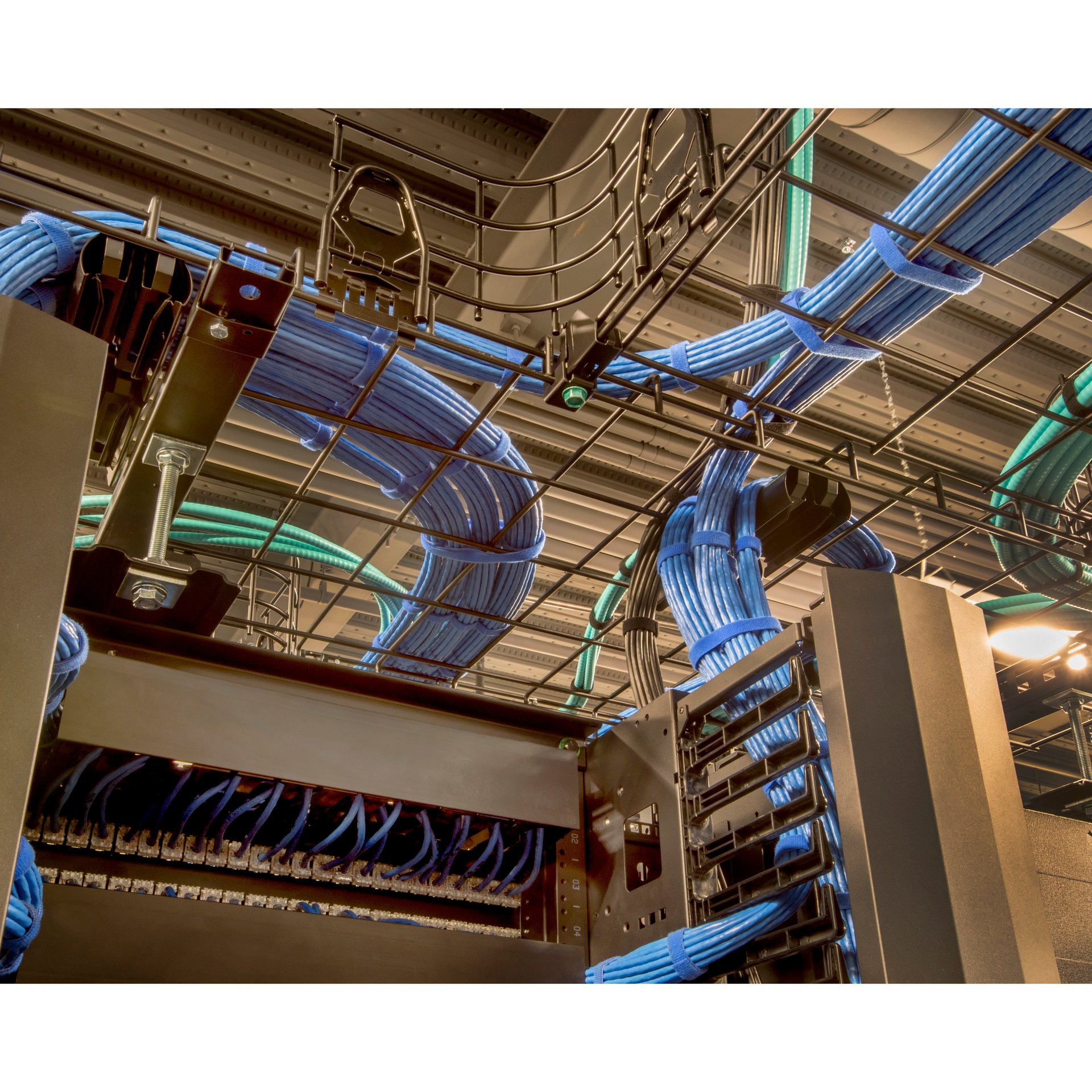
Cat6A is commonly useful for high-performance Ethernet runs inside a residence, including wired access points and many Power over Ethernet applications. Fiber is especially useful where high-capacity links must extend between buildings or over distances that make copper less appropriate. Guest houses, pool houses, gate houses, detached offices, security locations, and other structures can then participate in one managed property-wide network rather than becoming isolated technology islands.
The correct mix depends on distance, equipment, pathways, electrical conditions, switch design, and the systems being supported. Regent5 treats structured wiring as infrastructure, with labeling, testing, rack organization, documentation, and service access considered part of the installation.
Power over Ethernet can deliver network data and electrical power over the same structured cable to compatible devices. In residential technology systems, PoE is commonly relevant to wireless access points, surveillance cameras, intercoms, access-control devices, and other networked equipment.
PoE design is more than choosing a compatible cable. The switch must have enough power budget for the connected devices, cabling and terminations must be appropriate for the application, and the rack needs the electrical capacity, cooling, UPS strategy, and service access to support the equipment.
A connected estate may have hundreds of devices with very different trust levels. Personal computers and phones should not automatically share unrestricted access with every camera, television, automation processor, appliance, guest device, intercom, or service system on the property.
Managed networks can use VLANs, firewall policies, and other segmentation controls to separate device groups while allowing only the communication required for legitimate operation. NIST guidance for home and small-business IoT security specifically recommends network segmentation where possible and suggests keeping higher-risk IoT devices separate from everyday computing devices.
The challenge in a smart home is making segmentation secure without breaking the systems people use. Casting, streaming, printing, automation, remote support, intercoms, surveillance, and mobile control may require carefully designed communication between network segments.
There is no single “privacy router” or cybersecurity appliance that secures an entire estate. Stronger residential network security is layered. It can include controlled account ownership, strong authentication, maintained firmware, managed firewall rules, network segmentation, secure remote access, appropriate logging, and limiting unnecessary communication between devices.
Encrypted DNS and VPN connections can add privacy or security in selected applications, but neither should be treated as a complete privacy solution. The design should also address who owns administrative accounts, which service providers have remote access, how credentials are documented, and what happens when household staff or service relationships change.
Automation, security cameras, access control, intercoms, remote support, audio video, and communications can all depend on the network. That makes the rack and its power source part of the property’s operating infrastructure.
A properly planned equipment room considers routing, switching, fiber terminations, automation hardware, security equipment, AV distribution, UPS capacity, ventilation, rack depth, grounding, cable management, labeling, and service clearances. UPS backup can keep selected network equipment operating through brief power interruptions and provide transition time as the broader backup-power strategy responds.
Homeowners and design teams understandably want technology to remain visually quiet. Access points, cameras, sensors, intercoms, speakers, and other devices can often be coordinated more discreetly when they are planned early with the architecture.
Discreet should not mean burying wireless hardware where radio performance suffers, blocking camera sightlines, enclosing equipment without cooling, or creating installations that cannot be serviced. CAD drawings, reflected ceiling coordination, millwork review, equipment-room planning, and 3D modeling can help resolve these conditions before finishes are installed.
A large estate may include a main residence, guest house, pool house, detached office, gate entry, outdoor entertainment areas, security points, and extensive landscape coverage. Treating every structure as a separate consumer network creates management, roaming, security, and service problems.
A property-wide design can use fiber backbones, managed switching, structured cabling, coordinated wireless coverage, segmentation, and centralized documentation so the individual buildings operate as parts of one managed infrastructure system.
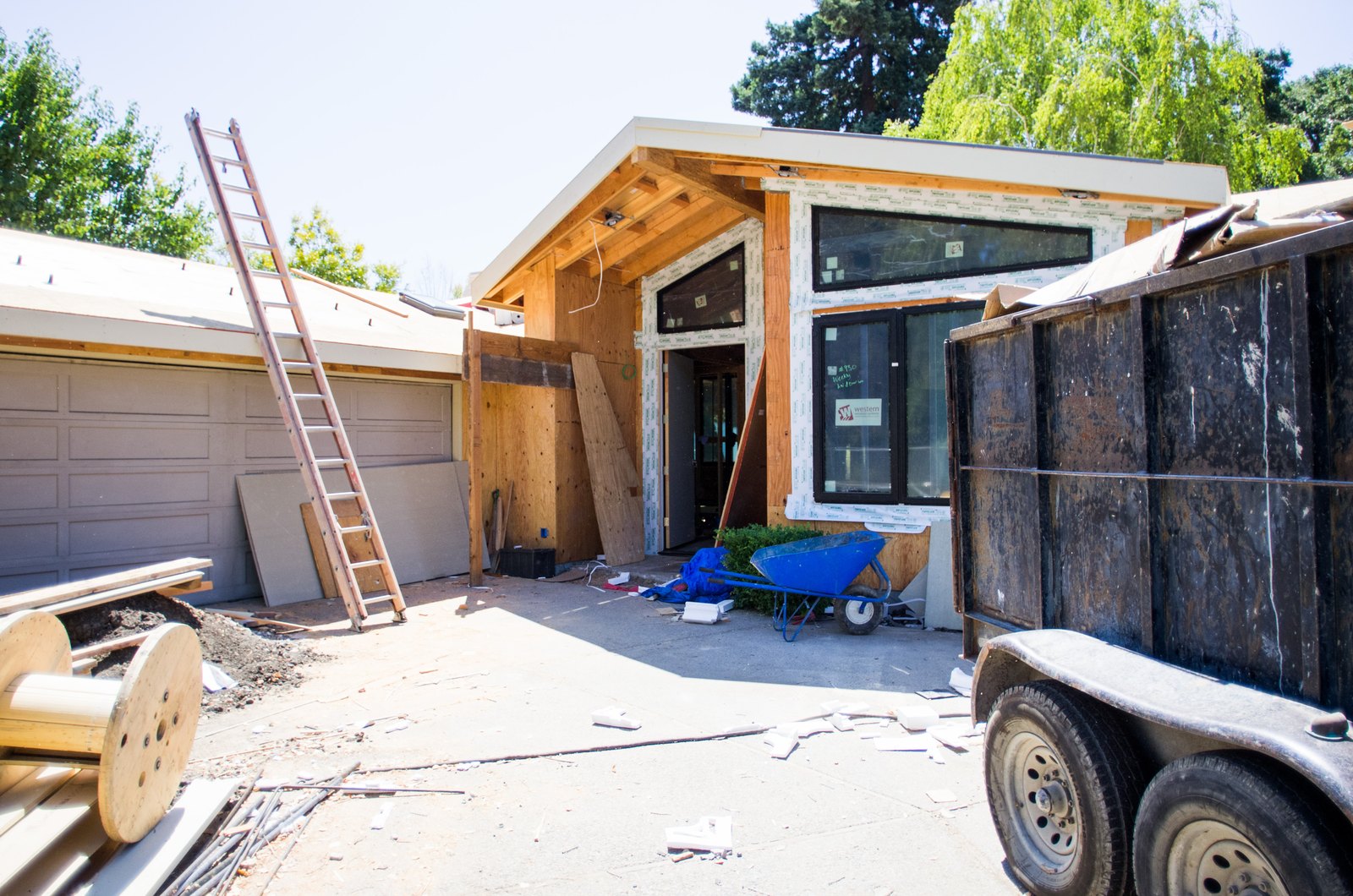
The best time to design the network is before framing and drywall, when cable routes, fiber pathways, equipment rooms, access-point locations, cameras, intercoms, gates, outdoor systems, and power can still be coordinated. Existing homes can also be modernized, but the design should begin with an assessment of the installed cabling, rack, switching, wireless coverage, device inventory, security requirements, and service expectations.
Regent5 provides estate WiFi, networking, and residential cybersecurity, structured wiring and fiber infrastructure, estate technology master planning, and integrated security and access-control infrastructure for custom homes and estates across Northern California.
For projects using specific network platforms, see Regent5’s Ruckus network design and service and Ubiquiti UniFi network integration pages.


.svg)

© 2024 Regent5, LLC. CSLB C10 & C7 License 1033103.