
September 21, 2026
A Lutron Palladiom keypad is not simply a more attractive light switch. In a properly designed HomeWorks system, it is the daily interface to a much larger lighting, shading and scene-control strategy. The wall can stay visually quiet while one engraved control handles the commands a homeowner actually uses.
That distinction is important in a custom home. A wall covered with individual dimmers may technically control the lights, but it rarely belongs in an interior where the architecture, stone, plaster, millwork and hardware have been carefully composed. Palladiom is designed for projects where the control itself needs to look intentional.
This guide updates our original Palladiom article with the current finish family, button configurations, HomeWorks integration and the cost decisions Regent5 reviews with architects, interior designers and homeowners.
For the current control-family overview, see Regent5’s Lutron keypad and architectural-finish guide, including Palladiom, Alisse, Aviena and Sunnata.
Palladiom uses broad, flush buttons with engraved labels and a restrained faceplate. Instead of exposing every lighting circuit, the keypad can present useful scenes such as Welcome, Entertain, Dinner, Relax and Goodnight. The programming behind those buttons can coordinate multiple lighting zones and, where designed into the project, Lutron motorized shades.

The current residential Palladiom keypad family is designed for Lutron HomeWorks and uses the wired QS link. That is one reason keypad locations, backboxes, low-voltage wiring and engraving should be resolved during design development rather than after the walls are complete.
As of 2026, Lutron’s current Palladiom palette spans 22 architectural finishes. The range is broad enough that the designer can either coordinate the keypad with the wall or deliberately connect it to nearby metalwork and hardware.
Architectural matte finishes: White, Ivory, Beige, Almond, Light Almond, Taupe, Sienna, Brown, Gray and Black.
Architectural metal finishes: Bright Brass, Bright Chrome, Bright Nickel, Polished Graphite, Antique Brass, Satin Brass, Satin Chrome and Satin Nickel.
Signature Metals: Champagne and Graphite. Note that Graphite in the Signature Metal collection is distinct from Polished Graphite in the architectural metal range.
Glass: Clear White Glass and Clear Black Glass.
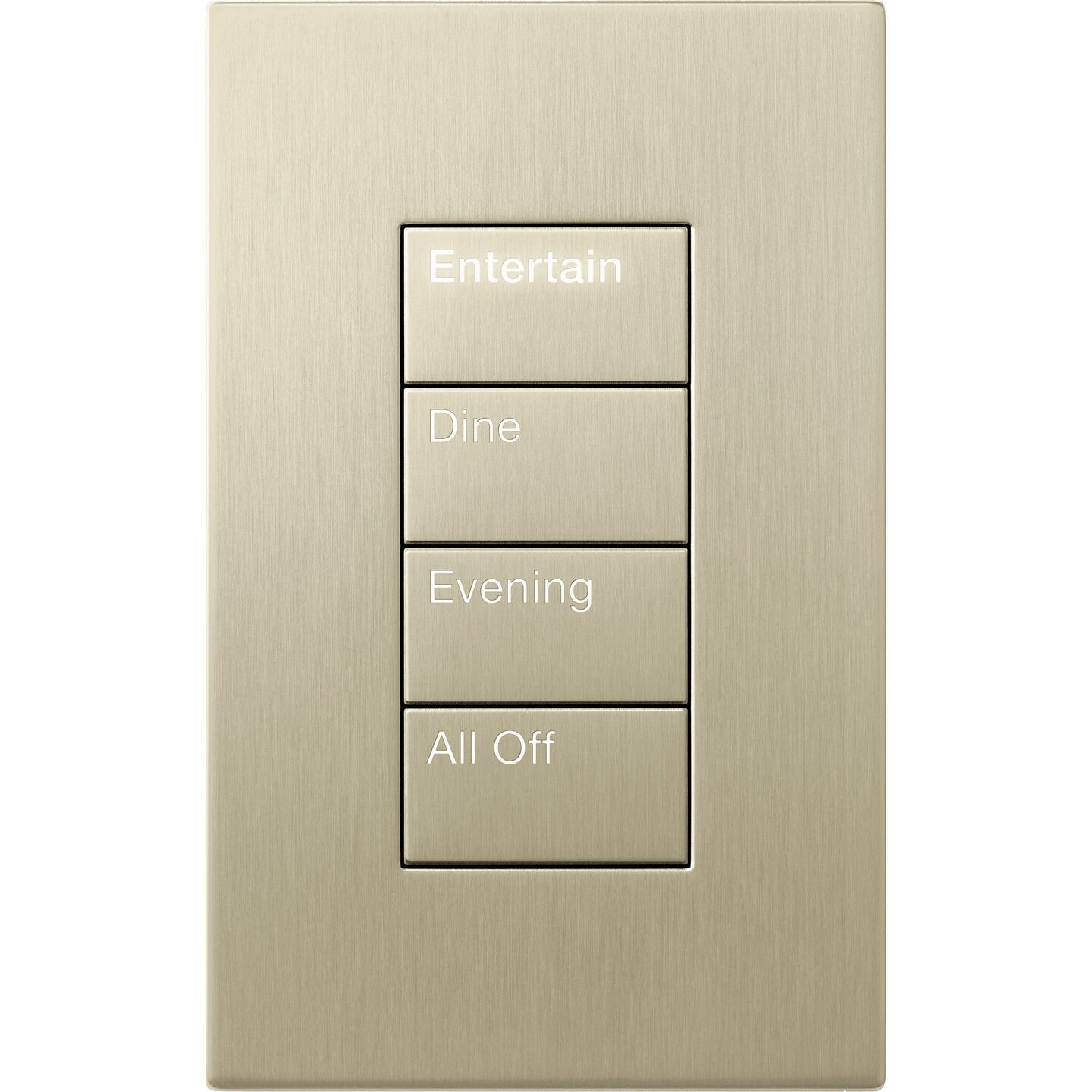
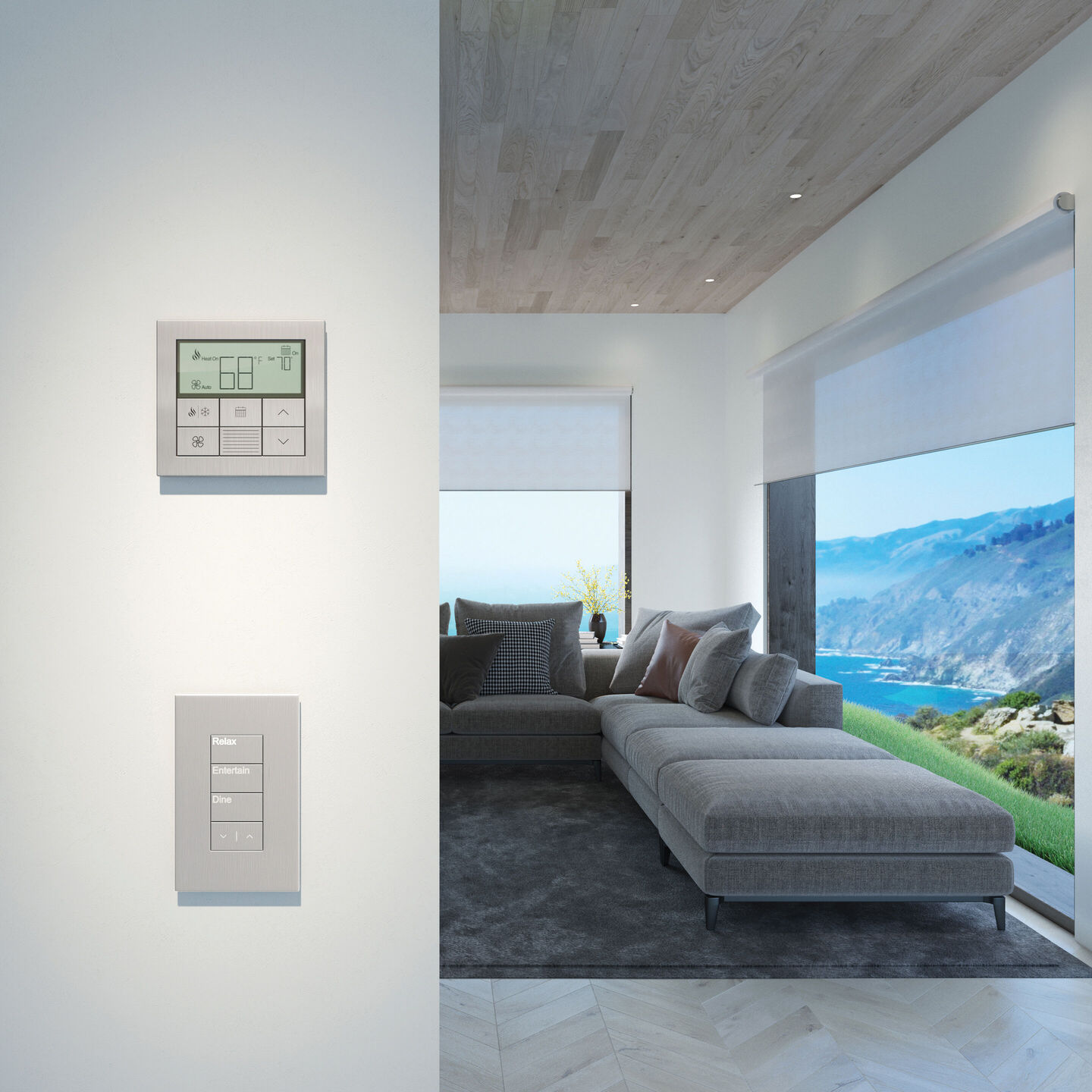
Current Palladiom keypad configurations include two-button, three-button, three-button with raise/lower and four-button layouts. The correct choice depends on the number of actions a person actually needs at that location.
A bedroom entry might only need On / Goodnight. A great room may justify four scenes. A dining room may benefit from three scenes plus raise/lower. More buttons are not automatically better; the most successful systems use the fewest decisions necessary to make the room intuitive.
Engraving matters just as much as button count. Labels such as “Load 1” or “Zone 3” describe the electrical system, not the way a person lives. We prefer plain-language actions that remain understandable to family members and guests.
Palladiom is most compelling when it replaces visual switch clutter rather than simply sitting beside it. That requires the lighting-control architecture to be established before electrical rough-in. The project team needs to know which loads are centralized, where keypads are located, which rooms share scenes, how shades participate, and where processors and panels will be serviced.
For new construction and major renovations, Regent5 coordinates this work through our residential technology preconstruction and low-voltage engineering process. The keypad plan becomes part of the reflected-ceiling, electrical and interior-design conversation rather than an accessory selected at the end.

Yes. In a HomeWorks project, Palladiom keypads can be programmed to control compatible Lutron shading as individual commands or as part of scenes. A Morning scene can raise selected shades while bringing the lighting to a brighter setting; an Evening scene can lower shades and warm the room; Goodnight can close selected shades and turn off designated lighting zones.
The visible shade hardware deserves the same design attention. Palladiom roller shades are one option within Lutron’s broader shading portfolio, but the right system depends on window size, pocket depth, fabric, hembar strategy and whether the architecture calls for exposed, recessed or fully concealed hardware.
Search interest around “Lutron Palladiom keypad price” is understandable, but an old fixed keypad price is not a useful way to budget a current project. The finished cost is affected by keypad model, finish, engraving, backbox and wiring requirements, HomeWorks equipment, programming, installation conditions and the number of controls in the residence.
The better budgeting question is: what does the complete lighting-control system need to accomplish, and where is Palladiom worth using? Some projects specify Palladiom throughout. Others reserve it for principal rooms and use a different Lutron control family in utility or secondary spaces. That strategy can preserve the architectural experience where it matters most without pretending every wall has the same design priority.
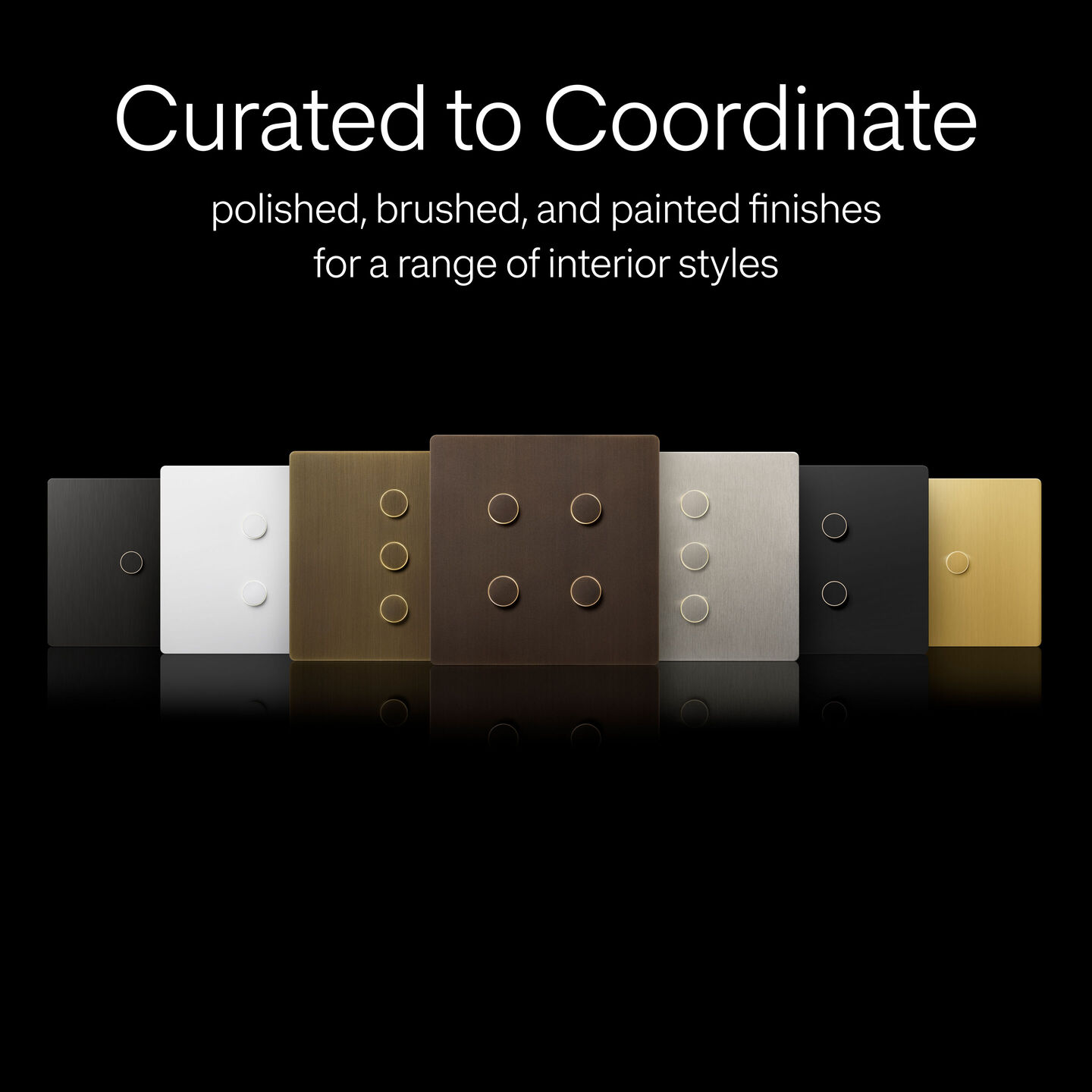
Palladiom is no longer the only architectural keypad worth considering. Aviena offers a hand-finished toggle language; Alisse uses circular buttons with illuminated halos; and Sunnata provides a more familiar contemporary keypad format. The right family depends on the architecture, hardware palette, desired tactile experience and system design.
For a detailed comparison of all four current families, see our Lutron Aviena, Alisse, Palladiom and Sunnata keypad guide.
Regent5 designs, installs and programs Lutron HomeWorks and architectural keypad systems for custom residences throughout the San Francisco Bay Area and Northern California, including San Francisco, Atherton, Woodside, Hillsborough, Palo Alto, Los Altos Hills, Portola Valley, Menlo Park, San Jose, Saratoga, Los Gatos, Marin, Napa and Sonoma, and Carmel and Pebble Beach.
Select project coverage extends through Santa Barbara, Los Angeles and Orange County.
If your project is still in design, the most useful time to review Palladiom is before electrical rough-in and before the interior finish schedule is locked. Contact Regent5 to review a HomeWorks and keypad plan.
Lutron Palladiom collection
Palladiom brochure, May 2026 revision O
Product families, finishes and availability can change. Confirm current Lutron submittals before final specification.


.svg)

© 2024 Regent5, LLC. CSLB C10 & C7 License 1033103.