
September 21, 2026
Tunable lighting is often described with vague promises about “wellness” or “circadian benefits.” That is not the most useful way to specify it. For an architect, interior designer or homeowner, the practical value is much more concrete: the same room can move from warm evening light to clear daytime white, coordinate with changing daylight, render artwork differently, and store those choices as scenes.
Regent5’s current intelligent-lighting pages cover Lutron Ketra, Lutron Rania and Lutron Lumaris, including where each family fits within a residential lighting and control plan.
Ketra gives a designer several tools that are easy to confuse with one another: tunable white, Natural Show, Vibrancy, full color and Color Lock. They solve different problems.
This article separates those functions. For fixture families, D2 trims, Rania/Lumaris comparisons and system design, see our broader Ketra, Rania and Lumaris Intelligent Lighting guide.
A traditional warm-dim LED follows a predetermined curve: as it dims, it becomes warmer. That can produce an attractive incandescent-like effect, but the designer has limited independent control over brightness and color temperature.
Ketra tunable white allows those two decisions to be separated. A room can be bright and warm, dim and relatively neutral, or anywhere else within the programmed range. Current Ketra sources can produce white light from 1,400K to 10,000K.
That flexibility matters in spaces whose daylight and use change over the day. A breakfast area may want a different white than the same room used for dinner. A gallery may need a particular color temperature for artwork. A media room may stay very warm while circulation lighting remains slightly brighter.
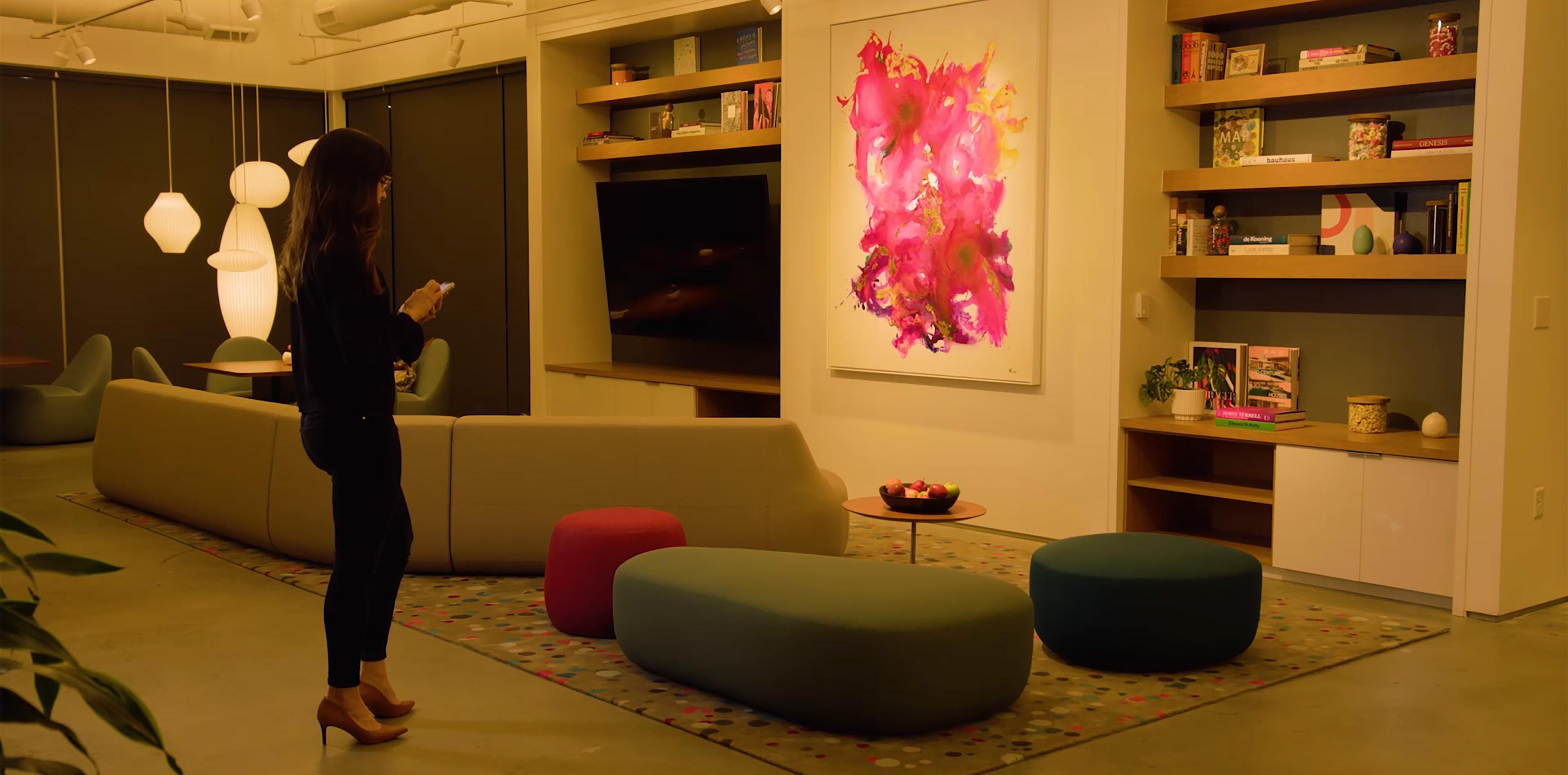
At roughly 1,400K, Ketra can create an exceptionally warm, low-light appearance closer to candlelight than a typical residential LED. Around familiar 2,700K–3,000K ranges it can read like conventional warm architectural lighting. Moving toward 4,000K–5,000K produces a clearer white that can coordinate with strong daylight. The upper end extends into deliberately cool white that is rarely the default for a home but can be useful for specific design effects.
We do not recommend giving the homeowner a Kelvin chart and asking them to manage the house manually. The useful work happens during commissioning: those values become named scenes and schedules.
Lutron’s Natural Show experience is designed to shift electric light through the day in response to the general progression of natural daylight. The design intent is experiential: interior light can feel more connected to morning, midday and evening without someone constantly adjusting it.
It is important not to turn that into a health claim. A lighting scene is not medical treatment, and a residential integrator should not promise better sleep, higher productivity or reduced stress from a particular schedule. Natural Show is valuable because the home can change gracefully with time of day and daylight conditions.
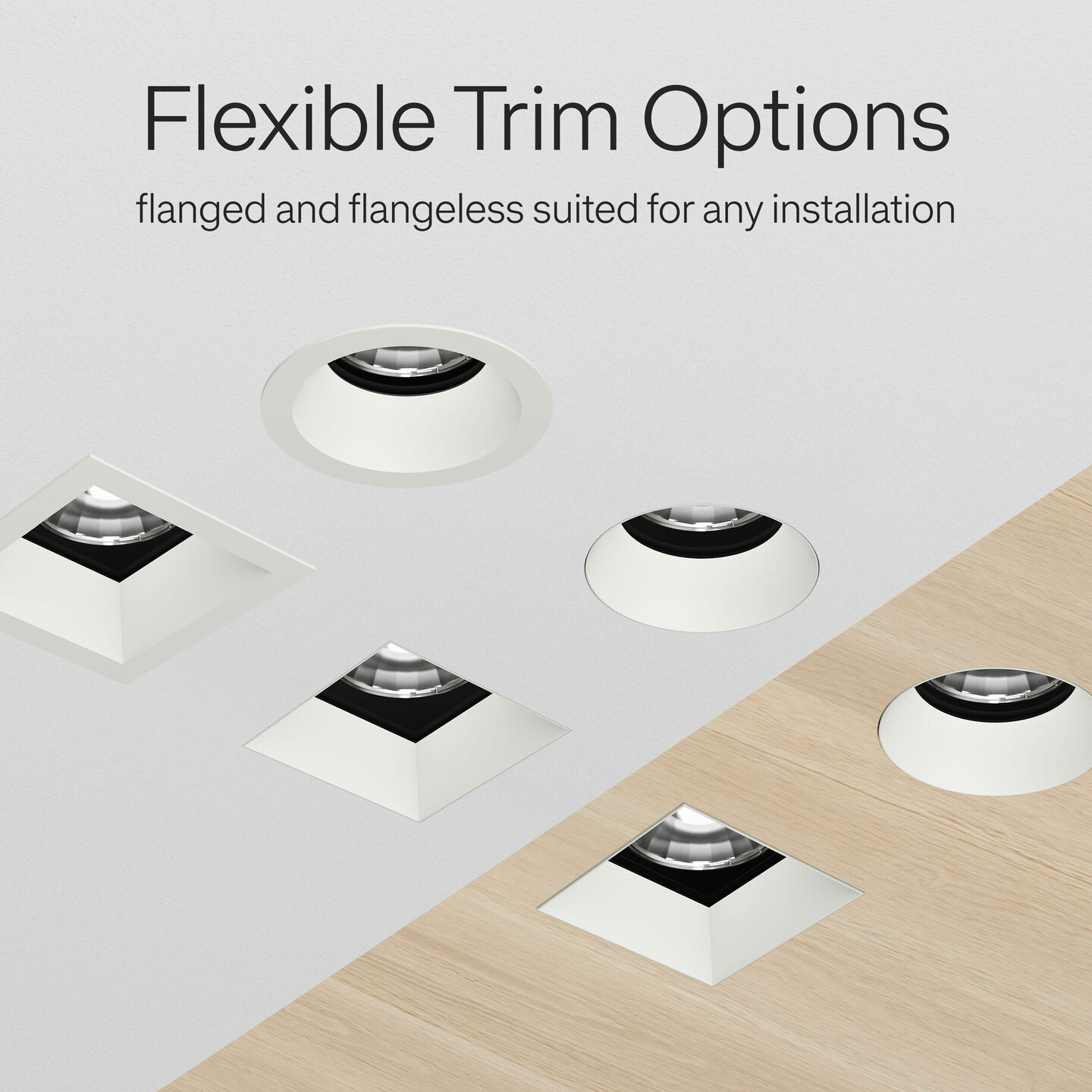
Vibrancy is different from color temperature. Ketra can adjust its spectral mix to change the apparent saturation of colors in art, textiles, flowers, food and finishes while maintaining a selected white-light appearance.
That is why Vibrancy is best judged with the actual project palette. A blue textile, red artwork, walnut millwork and limestone surface do not respond identically to the same spectrum. The designer should be able to see the material under the proposed light rather than trusting a rendering or marketing photograph.
For art collections, this can become a powerful commissioning tool. The goal is not to make every painting look artificially saturated. It is to give the lighting designer another controlled variable when a particular material or artwork needs careful presentation.
Ketra can also produce saturated color—up to 16.7 million colors in the current product family. That is the feature people notice in demonstrations, but it is not the same thing as tunable white or Vibrancy.
Most homes will spend the majority of their time in white light. Full color becomes valuable for entertaining, holidays, themed rooms, landscape or architectural moments, home theaters and creative scenes where the color itself is meant to be visible.
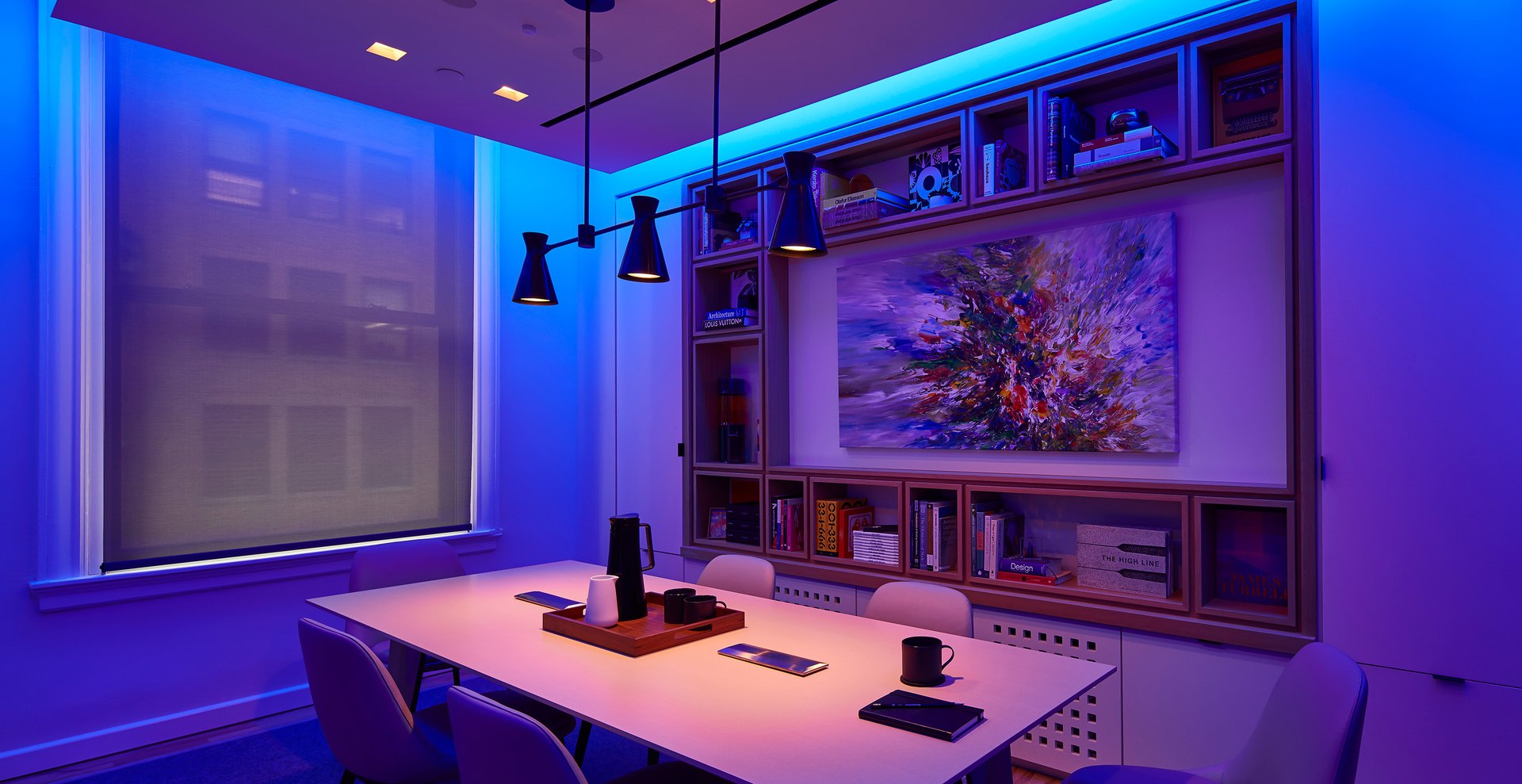
LED output changes with operating time and temperature. Ketra’s Color Lock technology continually monitors and adjusts the light engine so the source maintains color accuracy over its lifetime.
This is a quiet feature, but in a large residence it matters. If six downlights are washing the same wall, the designer expects six matching whites years later—not five matching fixtures and one that has visibly drifted.
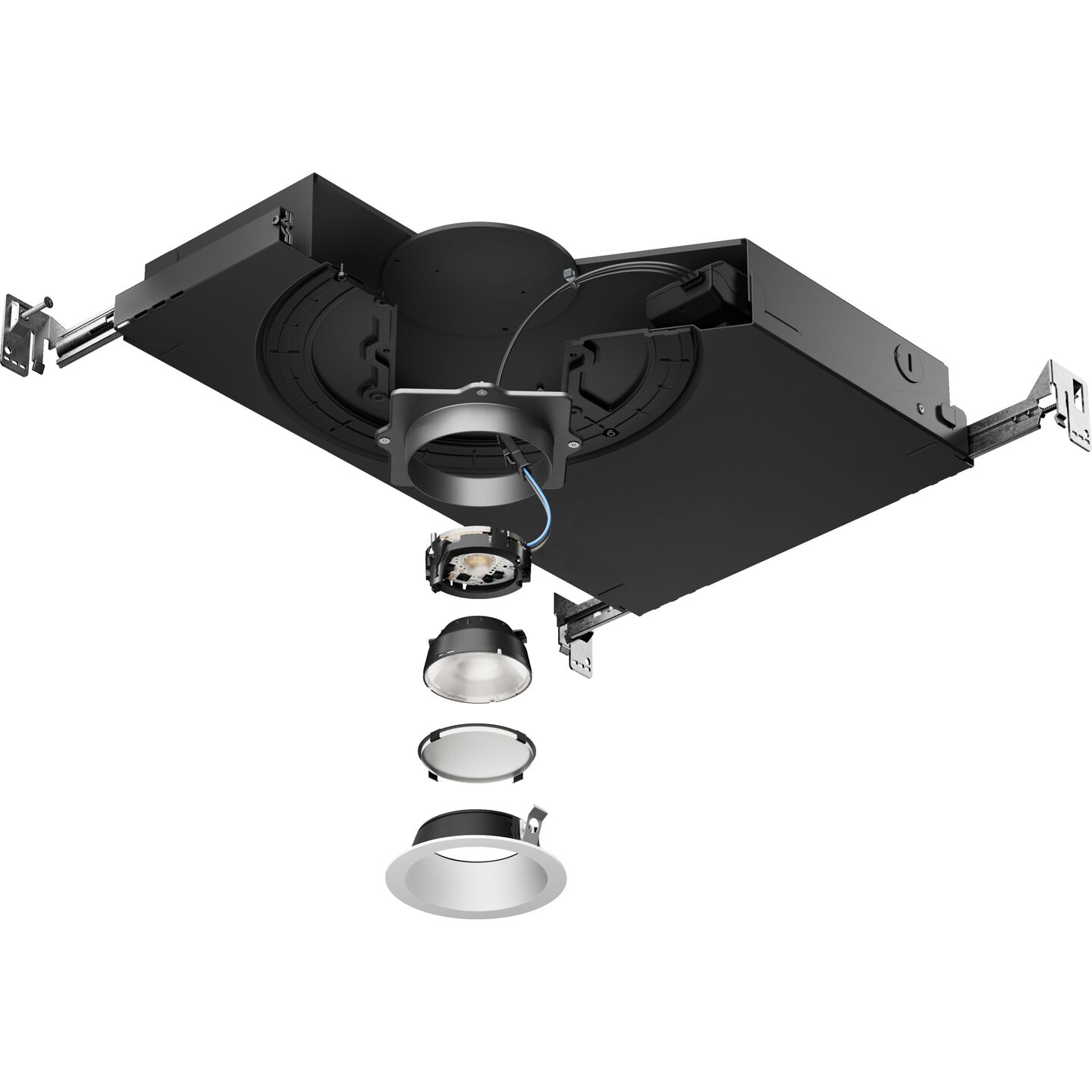
A useful scene is more than a single color-temperature setting. It can define intensity, color temperature, Vibrancy, full color where appropriate, fade time, shade position and the relationship between architectural and decorative fixtures.
For example, an Art scene may increase accent light on selected walls and use a carefully commissioned spectrum. Dinner may lower general light, warm the room and keep food and artwork attractive. Morning can be brighter and more neutral. Holiday can introduce color into selected architectural or landscape zones without changing every fixture.
HomeWorks stores that complexity behind one button. The homeowner experiences a room, not a lighting spreadsheet.
Ketra is not the only way to achieve tunable white. Rania focuses on natural white light from 1,800K–5,500K without Ketra’s saturated-color and Vibrancy tools. Lumaris provides 1,800K–4,000K tunable white and also offers RGB + tunable-white tape-light options for selected applications.
That creates a much more rational project strategy than specifying Ketra in every ceiling simply because it is the premium product. Ketra can be reserved for the rooms that benefit from full-spectrum flexibility; Rania can carry a matching D2 architectural language through general living areas; Lumaris can serve coves, millwork and other linear layers.
It is almost impossible to judge tunable white, Vibrancy or full color accurately from a screenshot because your phone or monitor is another light-emitting display with its own color profile. Regent5 therefore maintains two dedicated Lutron Intelligent Lighting demonstration spaces: an Office and a furnished Lounge, both running Ketra, Rania and Lumaris on HomeWorks QSX.
We can place the same material under different sources and scenes, move the room from daylight-matched white into warm evening light, then show what full color actually adds. This is much more useful than trying to decide from a spec sheet.
Learn about the Regent5 showroom and design center or schedule an Intelligent Lighting demonstration.
Lutron Ketra
Lutron Intelligent Lighting
Ketra D2 Adjustable Downlight
Lutron Ketra FAQs
This article discusses lighting design and user experience, not medical or health outcomes. Product specifications and software capabilities can change; confirm current manufacturer documentation for final design.


.svg)

© 2024 Regent5, LLC. CSLB C10 & C7 License 1033103.