
September 18, 2026
Electric vehicles, heat pumps, battery storage, induction cooking, solar, smart panels, and whole-home backup are changing the electrical design of custom residences. For Bay Area architects and homeowners, these systems should not be treated as separate upgrades added one at a time. They are all competing for capacity on the same electrical infrastructure.
That is why new construction and major remodeling offer such an important opportunity. Before the service size, panel layout, garage circuits, utility space, raceways, solar pathways, and mechanical loads are frozen, the project team can design the electrical system around the home the client expects to own ten years from now rather than the equipment being installed on opening day.
Regent5’s C-10 electrical and engineering team coordinates EV charging, smart panels, automation, solar, battery storage, generators, and load management with the broader architectural and low-voltage design. The result is a cleaner, more resilient electrical plan with fewer expensive changes after construction.
A custom home may open with one EV and a gas water heater, then add a second EV, heat-pump HVAC, electric water heating, an induction range, a pool heater, a battery system, and a guest house over the next several years. If the electrical service and pathways were sized only for the day-one condition, every future improvement becomes harder.
The design team should therefore make a realistic list of present and future loads. This does not mean oversizing everything without limit. It means protecting options: adequate service capacity where justified, panel space, conduit, raceways, wall area, garage infrastructure, data pathways, and locations for energy-management equipment.
A Level 2 EV charger can draw a substantial continuous load, and large homes increasingly have two, three, or more charging positions. If each charger is designed as though it might operate at maximum power simultaneously, the resulting service calculation can grow quickly.
In practice, vehicles are not always charging at the same time and not every vehicle needs maximum charging speed overnight. Intelligent EV charging and load management can help coordinate charging with other household demand, solar production, battery state of charge, or utility-rate periods.
The garage design should also consider where the vehicles will actually park, whether chargers need to serve multiple bays, future vehicle changes, cable routing, wall finishes, pedestal locations, and whether outdoor charging positions are expected.
Some charging and energy-management systems depend on network connectivity, cloud communication, or integration with a broader home-energy platform. The garage should therefore be considered in the structured-wiring and Wi-Fi plan rather than treated as an electrical-only space.
For detached garages, the project may need fiber or copper pathways alongside power, depending on distance and site conditions. That same pathway can support cameras, access control, intercoms, wireless access points, garage automation, and future charging equipment.
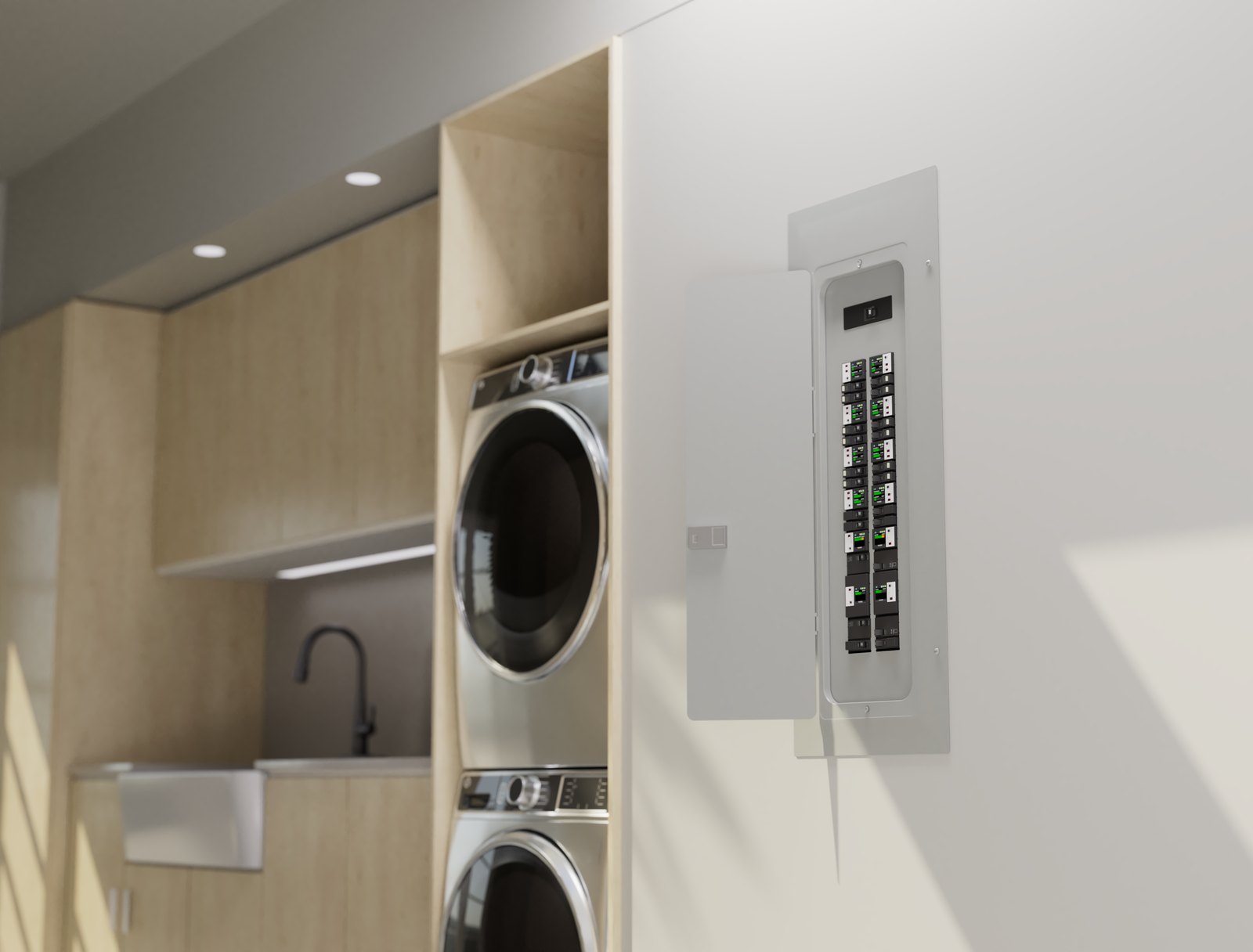
Traditional electrical panels distribute power but provide little insight into how individual circuits are behaving. Smart-panel platforms such as SPAN and circuit-level systems such as Savant Power add monitoring and controllability to selected loads.
That can be useful in normal operation by showing where energy is being consumed. It becomes even more valuable when the home is operating from limited backup resources. Selected circuits can be prioritized or deferred based on the system architecture, making battery storage more useful and helping the property avoid overloading the backup source.
See Regent5’s smart energy-management systems for the broader circuit-level strategy.
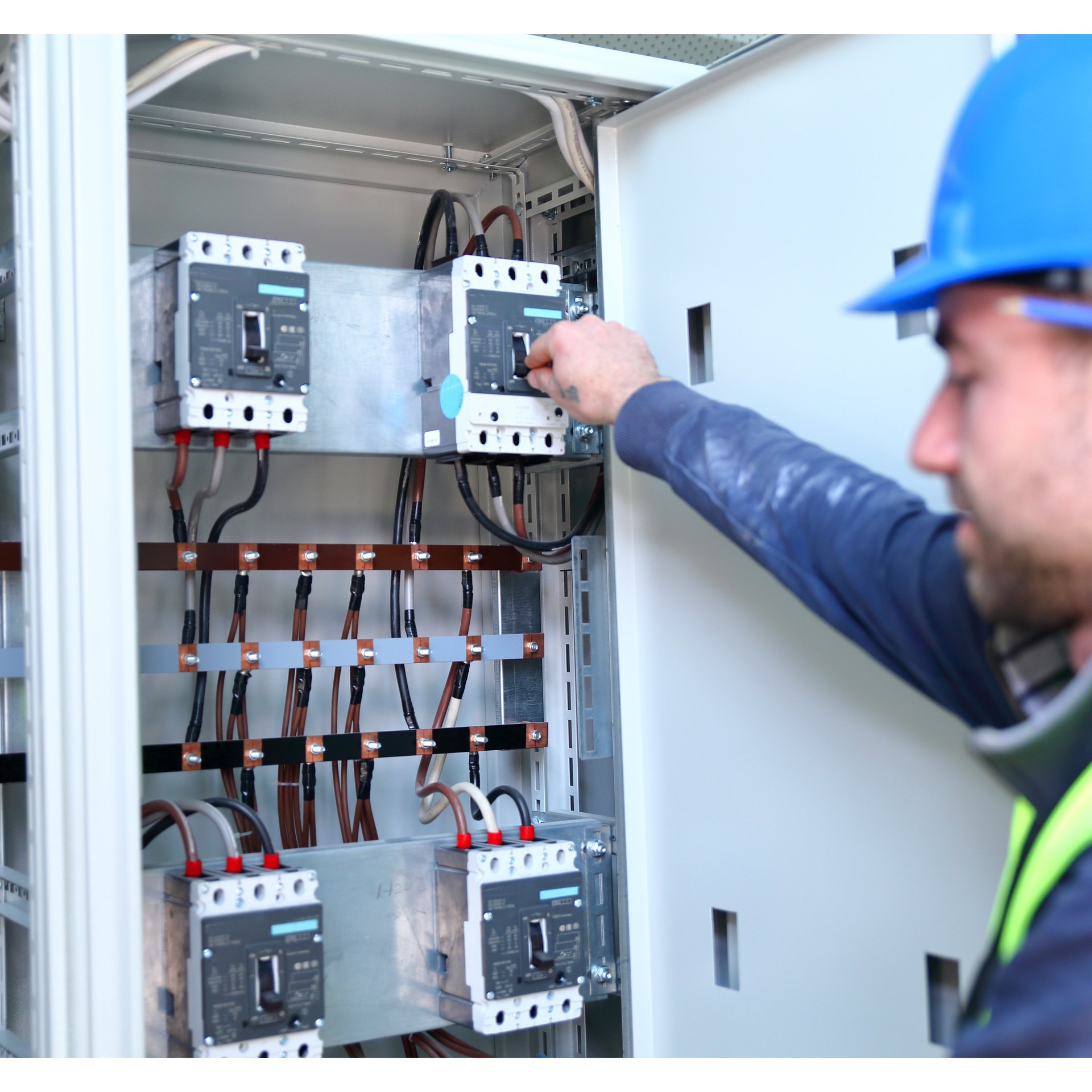
Load control can reduce simultaneous demand, but it should not be used to justify an electrical design that leaves no room for normal use or future expansion. Service calculations, code requirements, utility conditions, equipment ratings, and homeowner expectations still govern the design.
The best use of load management is strategic. It can allow EV charging to pause when electric ovens, pool equipment, and HVAC are creating a temporary peak. It can keep a second charger from starting while the first is operating at high power. During an outage, it can disable nonessential loads automatically while preserving selected systems.
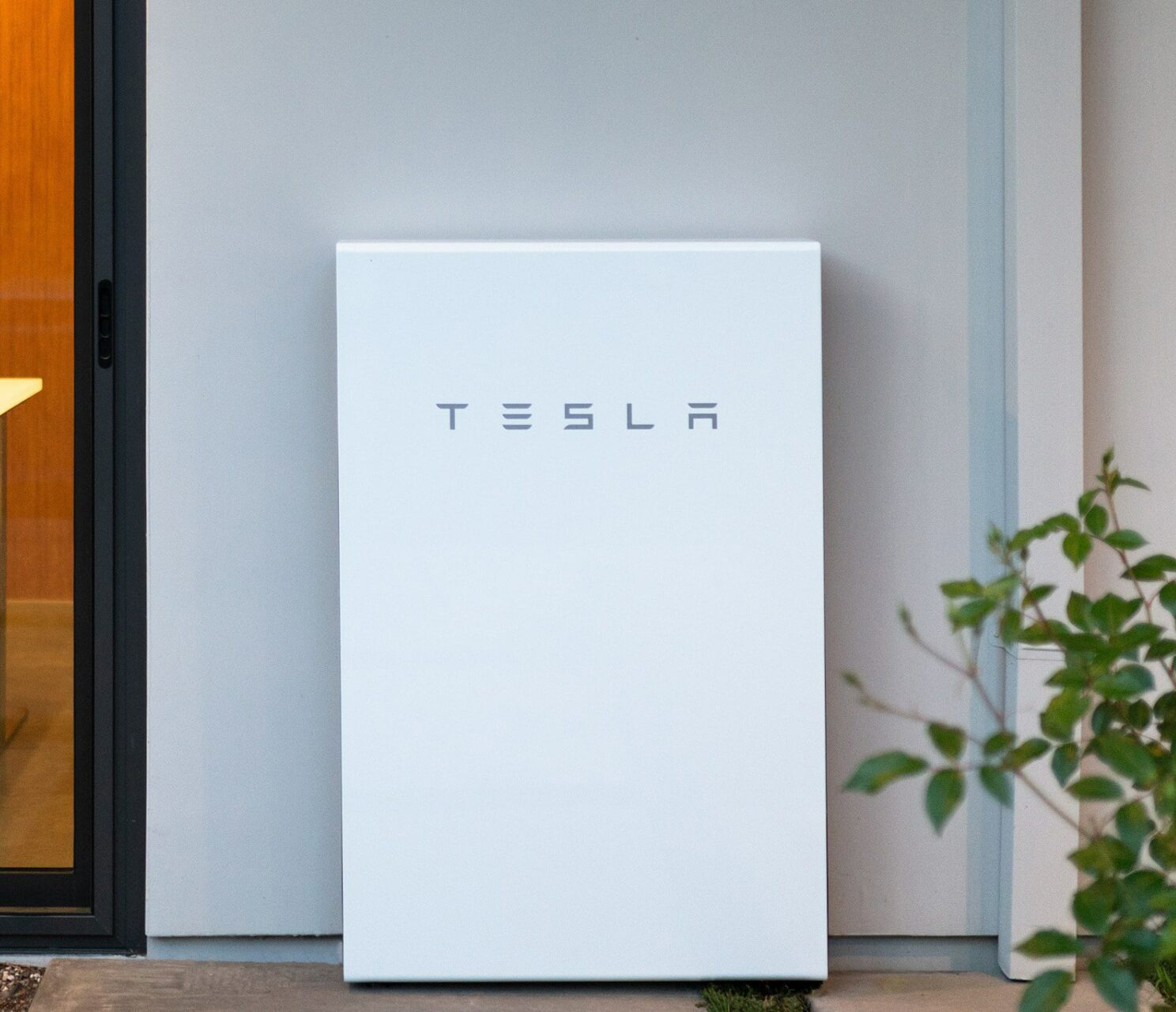
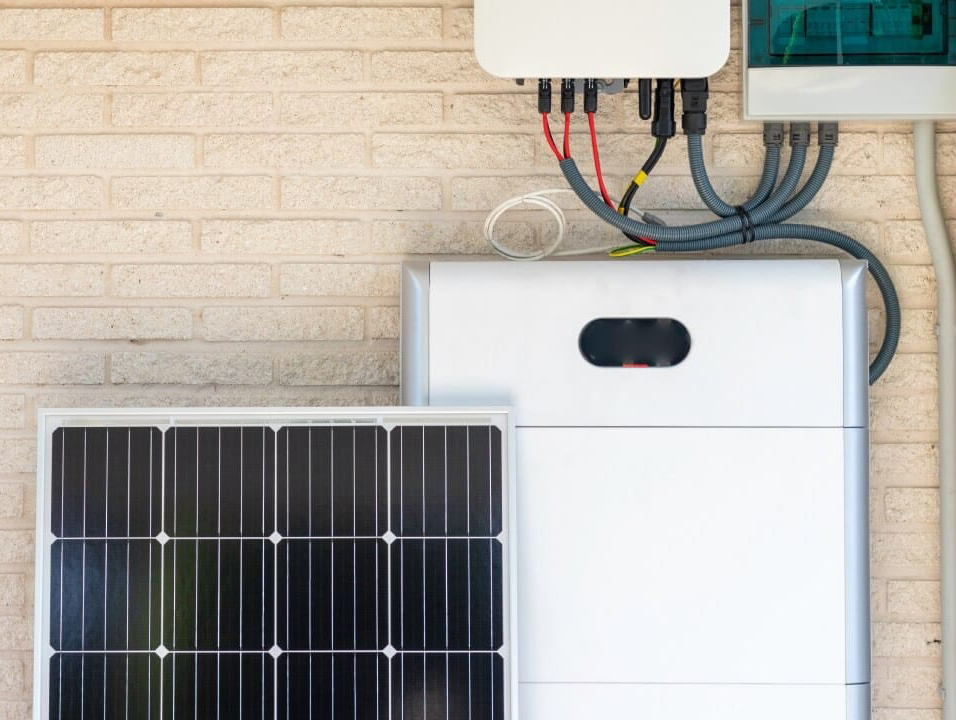
Battery storage is easiest to integrate when the service, main distribution, backup interface, smart panels, subpanels, and critical loads are designed together. Waiting until late construction can create a wall-space problem, a conduit problem, or a distribution architecture that requires unnecessary rework.
Systems such as Tesla Powerwall 3 and FranklinWH have specific equipment, transfer, clearance, and electrical requirements. The project should reserve compliant space and pathways early, even if the homeowner has not made the final battery brand decision.
For qualifying new California single-family projects, the 2025 Energy Code also includes BESS-ready provisions under specific service and building conditions. Those provisions reinforce the value of designing storage readiness as part of the original electrical package rather than as a future improvisation.
For homeowners who want to charge vehicles from on-site solar production, the system should be designed around realistic solar availability, not a marketing assumption that the vehicle will always be charging from sunshine.
Vehicle charging often happens in the evening, while solar production peaks during the day. Battery storage can shift some solar energy into later hours, but every conversion and storage step has capacity limits and losses. The best design balances solar array size, battery storage, charging schedules, household loads, and utility rates.
On architecturally sensitive homes, solar array placement can be constrained by roof geometry, view protection, historic conditions, mature trees, or a desire to keep panels off prominent elevations. That makes energy modeling even more important.
When the grid goes down, should the EV chargers remain active? There is no single correct answer.
For many clients, charging is a low-priority load during an outage and should pause automatically. For others, transportation resilience is critical and at least one charger should remain available. A homeowner leaving for an airport or driving between properties may value stored vehicle energy more than pool heating or decorative exterior lighting.
A smart energy system can implement that policy rather than leaving the homeowner to manage breakers manually.
As houses become more electric, standby generation can remain an important part of resilience. A generator can provide long-duration energy when batteries are depleted and solar production is insufficient.
But electrification also increases generator sizing pressure. If the project assumes that every HVAC zone, EV charger, pool system, and kitchen appliance will operate simultaneously during an outage, the required generator can become very large. Intelligent load prioritization can reduce unnecessary peak demand while maintaining the functions the homeowner actually cares about.
Generator integration should be designed with manufacturer-supported battery and transfer configurations rather than assumed to be universally compatible.
Custom homes often devote extraordinary attention to exterior materials, landscape, and garage detailing, then discover late that batteries, panels, disconnects, transformers, generators, chargers, and inverters need substantial wall and floor area.
The utility strategy should be reviewed during schematic design. Batteries and electrical equipment can often be located in a garage or utility court, generators can be screened within landscape architecture, and chargers can align cleanly with garage cabinetry or wall systems. But those results depend on reserving space before the architecture is finished.
Electrical equipment is not decorative cabinetry. It needs required working clearances, access, environmental conditions, and in some cases ventilation or specific separation. Decorative panels, storage, millwork, and landscape screens should not compromise serviceability or code compliance.
This is particularly important in San Francisco, where space is at a premium and equipment may need to fit into tightly constrained garages, basements, or service areas.
Peninsula estates may have a main house, guest house, pool house, detached garage, gate house, or office. EV chargers and backup systems can be distributed across those structures, sometimes on separate panels or services.
The engineering team should map how power reaches each building, where storage and generation connect, which structures receive backup, and how energy data is communicated between systems. Fiber and network pathways may be required alongside electrical infrastructure to keep energy, security, and automation systems coordinated.
It is common for a client to own one EV during design and two by the time the home is finished. Even if only one charger is installed initially, spare conduit or appropriately sized pathways to additional parking positions can prevent future trenching or wall demolition.
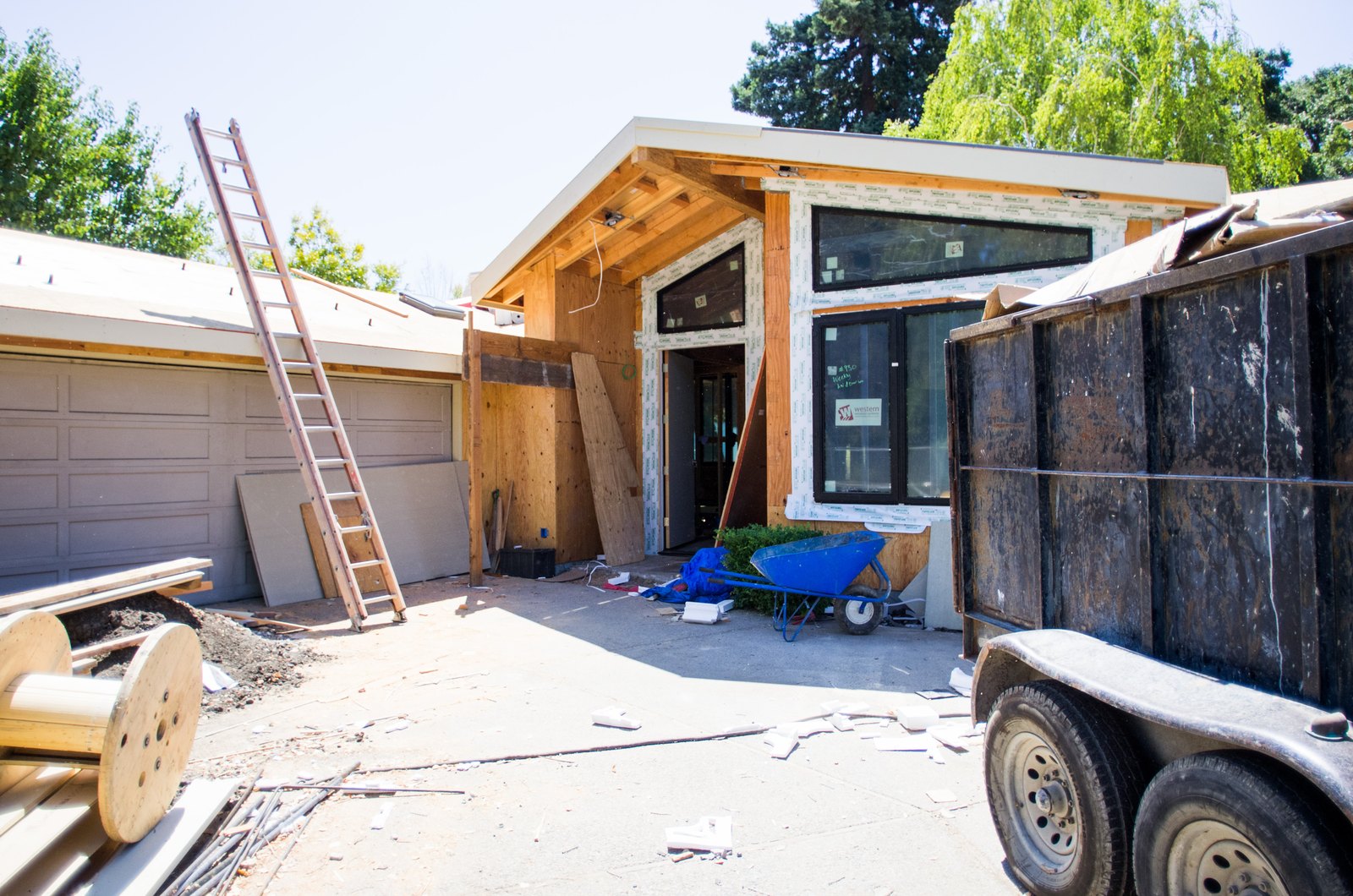
For motor courts and detached garages, this planning can save substantial disruption later. A spare raceway installed before paving costs very little relative to reopening stone, concrete, or finished landscape.
An integrated estate can coordinate energy behavior with other systems without making the homeowner manage multiple applications. For example, Away mode can reduce selected HVAC loads, turn off lighting, adjust shades, and change energy priorities. An outage scene can preserve essential lighting and network equipment while shedding discretionary loads.
The automation system should not take over safety-critical electrical functions that belong in dedicated equipment, but it can provide a unified homeowner interface and useful high-level coordination where supported.
Savant is particularly relevant here because its home-automation and power-management ecosystems can operate within the same broader platform. Other projects may pair Lutron, Control4, Crestron, SPAN, Tesla, FranklinWH, or other systems depending on requirements.
Time-of-use electricity pricing makes the timing of EV charging and battery operation relevant even when the grid is healthy. Energy systems can be configured to shift some consumption away from more expensive periods or reserve battery capacity for backup.
That optimization should remain secondary to homeowner comfort and resilience. A luxury residence should not feel constrained by an energy-management algorithm. The best systems operate quietly in the background while allowing the homeowner to override priorities when circumstances change.
A sophisticated electrical system is not finished when every device powers on. The project should test how the home behaves when the grid fails, when batteries reach low state of charge, when multiple EVs are connected, when large mechanical loads start, and when the generator is called upon.
The homeowner and estate manager should understand what the system does automatically, which loads are prioritized, and where manual control is available. Documentation should identify the panels, smart circuits, transfer equipment, battery systems, charger settings, and service contacts.
Energy systems increasingly include apps, cloud accounts, firmware, installer portals, and remote monitoring. Account ownership should be documented. The homeowner should know which credentials belong to them, which belong to the service provider, and what happens if the property changes hands.
Regent5 treats this as part of commissioning because an expensive smart-energy system that nobody can administer five years later is not truly resilient.
In a modern custom home, the electrical system is no longer separate from the automation system, the vehicle strategy, the energy strategy, or the architectural design. EV chargers affect service load. Batteries affect panel architecture. Smart panels affect backup behavior. Solar affects storage. Generators affect resilience. Network connectivity affects energy controls. All of those systems need physical space and pathways.
Planning them together during design produces a cleaner project, better documentation, more flexibility, and fewer expensive field changes.
Regent5 coordinates high-end residential electrical engineering, smart panels and load management, solar-battery-generator microgrids, structured wiring, automation, and long-term service for custom homes throughout San Francisco and the Peninsula. The best time to plan EV charging and resilient power is before the walls close and before the driveway is poured.


.svg)

© 2024 Regent5, LLC. CSLB C10 & C7 License 1033103.