
September 18, 2026
Backup power on a large estate is not simply a question of whether a battery or generator is installed. The harder engineering problem is deciding what the property should power, when it should power it, and how loads should change when the home moves from the utility grid to limited backup resources.
This is where intelligent circuit-level energy management becomes valuable. Savant Power can monitor and control selected circuits at the electrical distribution level, coordinate supported energy resources, and create energy behaviors that are different from the home’s normal operating mode. On an estate with solar, batteries, standby generation, EV charging, large HVAC systems, pool equipment, gates, security, refrigeration, wine storage, and multiple structures, that distinction can materially improve how backup capacity is used.
The objective is not to create a complicated power dashboard for the homeowner. It is to make the estate behave intelligently when available power changes.
A large custom home can have multiple HVAC compressors, pool and spa equipment, EV chargers, elevators, wine cellars, refrigeration, pumps, lighting, network racks, security systems, gates, AV equipment, guest houses, and landscape infrastructure. Keeping every load available simultaneously during an outage can require dramatically more battery and generator capacity than the household actually needs.
Load management changes the question from “Can the backup system power every connected circuit at once?” to “Which loads should be available right now?” That can make the backup architecture more resilient and give the homeowner more control over stored energy.
For example, a pool heater may be unimportant during an overnight outage. The network, security, gates, refrigeration, selected lighting, well pumps, medical equipment, or a wine cellar may be critical. A guest house that is unoccupied can have a different priority from the main residence. EV charging can be paused while the property is islanded and restored later.
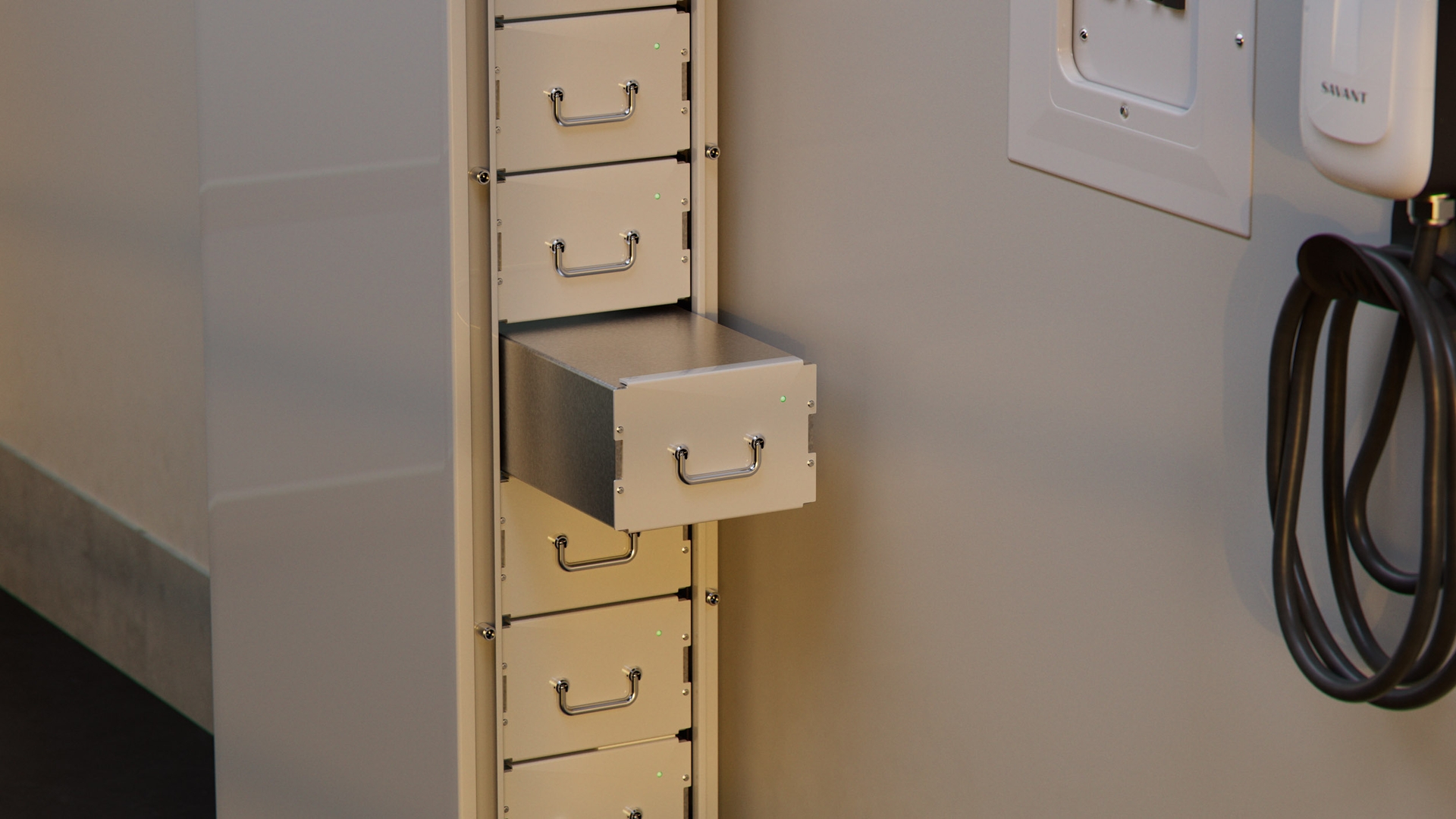
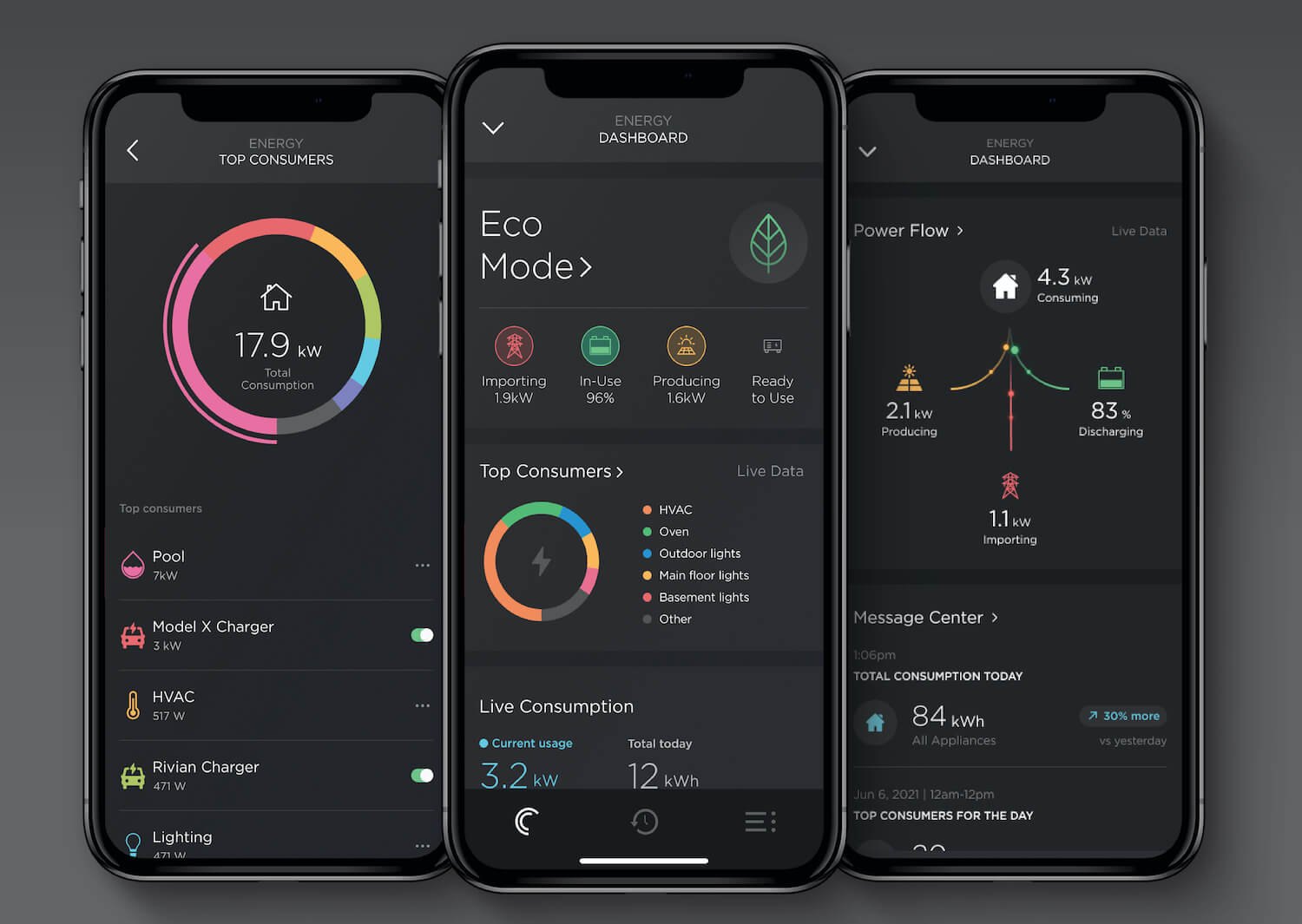
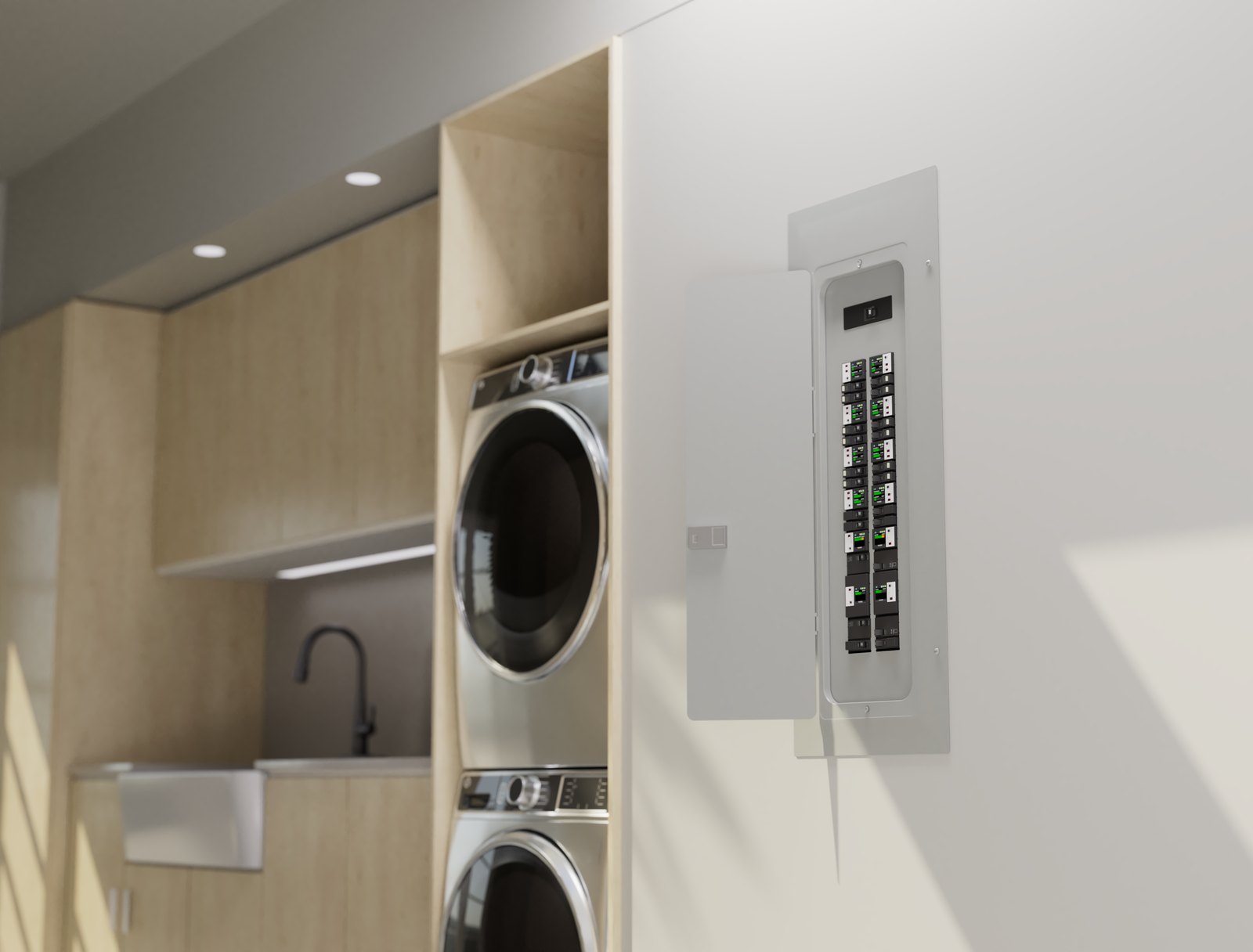
Savant Power Modules provide circuit-level monitoring and control within supported electrical architectures. Savant’s own documentation describes linking power modules to breakers so the system knows which circuits are controllable and can use that information for its Smart Budget energy-management functions. Savant also requires an off-grid scene when the backup source cannot support the entire load of the home.
That is an important distinction. A properly engineered off-grid mode should be intentional. The system should already know which circuits are essential, which can be deferred, and which can be restored as capacity becomes available. The homeowner should not be standing in front of a breaker panel during a PG&E outage trying to decide what to shut off.
Regent5’s energy management systems are designed around that operating logic rather than simply installing smart breakers for the sake of having more data.
Battery storage can respond without fuel delivery, engine startup, or the mechanical noise associated with a generator. It can also store solar production for use after sunset and support the home through utility interruptions. But no battery has unlimited energy.
A Tesla Powerwall 3, for example, is currently specified by Tesla at 13.5 kWh nominal battery energy and up to 11.5 kW continuous on-grid output per unit in the U.S. configuration, with system scalability available. FranklinWH’s current aPower 2 is specified at 15 kWh and 10 kW continuous output. Those are substantial residential storage systems, but a large estate can consume energy quickly if multiple HVAC compressors, pool equipment, ovens, EV chargers, and other heavy loads remain active simultaneously.
That is why useful battery design is not simply a battery-count exercise. It starts with load data, outage objectives, solar production, peak power, motor-start requirements, property use, and the homeowner’s tolerance for shedding nonessential loads.
A standby generator can provide long-duration support when fuel is available, making it valuable for multi-day outages or periods when solar production is poor. Batteries and generators therefore solve different parts of the resilience problem. Batteries are excellent for immediate stored energy and solar shifting. Generators can provide extended runtime without requiring an enormous battery bank sized for the worst possible multi-day scenario.
On some properties, the strongest architecture is therefore not “battery versus generator.” It is battery plus generator, coordinated around how the estate actually operates.
The exact transition and charging behavior depends on the equipment, transfer architecture, controls, and manufacturer-supported configuration. Regent5 avoids blanket claims that every battery and every standby generator can be connected interchangeably. Compatibility and operating sequence have to be engineered for the specific system.
Solar can replenish battery storage during daylight hours when the system architecture supports islanded solar operation. That can dramatically extend backup duration, but the outcome depends on weather, array size, orientation, available battery charge capacity, and daytime loads.
For a large Peninsula estate, the solar design may need to account for multiple roof planes, landscape screening, architectural visibility, shading from mature trees, detached structures, or a desire to keep panels off the primary elevation. The energy design therefore intersects with the architectural and landscape design long before electrical commissioning.
See Regent5’s luxury residential microgrid engineering for the broader solar, battery, generator, and load-management strategy.
There is no universal critical-load list for a luxury home. The answer should be based on the household, the site, and the consequences of losing each system.
Typical high-priority loads may include refrigeration, network equipment, security, gates, access control, selected lighting, sump or well pumps, medical equipment, communications, fire/life-safety-related systems where applicable, selected HVAC zones, and specialty spaces such as a wine cellar. Lower-priority loads might include EV charging, pool heating, large decorative loads, secondary HVAC zones, or nonessential guest areas.
But even those categories change. An EV may be essential if the homeowner needs transportation during an extended outage. A pool pump may matter for property maintenance. A guest house may be occupied by staff or family. Good energy-management programming reflects the actual estate rather than applying a generic template.
One of the advantages of intelligent load control is that priorities do not have to be permanently hardwired. A homeowner may choose a conservative outage mode when battery state of charge is low, then restore additional loads when solar production is strong or the generator is running.
Savant’s energy interface can expose real-time load data and allow supported loads to be toggled. The point is not to encourage constant micromanagement. The point is to make important controls available while letting the normal automation do most of the work.
High-power EV charging can represent a major electrical load, especially on properties with two or more vehicles. During normal grid operation, charging may be scheduled around utility rates, solar production, or household demand. During an outage, it may need to pause automatically unless transportation needs justify using stored energy.
The same logic applies to future electrification. Heat pumps, induction cooking, electric water heating, pool equipment, and additional EVs can all increase demand. A smart electrical architecture gives the project team more tools for managing that demand, but it does not eliminate the need for proper service calculations, utility coordination, and electrical engineering.
Traditional backup design often separates a small set of critical loads into a dedicated subpanel. That approach is still appropriate in many projects. Smart panels and controllable breaker modules create another option: more circuits can remain physically connected while software determines which are allowed to operate under constrained conditions.
That flexibility can be especially valuable in a large residence where the homeowner wants access to different loads at different times rather than living with a permanently fixed critical-load subpanel.
SPAN offers a related approach with circuit-level control and backup priorities, while Savant Power integrates energy management directly into the broader Savant ecosystem. The best platform depends on the electrical architecture, automation goals, installed equipment, and project requirements.
Battery conversations often focus on kilowatt-hours, which describe stored energy. But the ability to start and run large loads also depends on power output. A system can have enough stored energy to operate for many hours and still be unable to start a large compressor if the inverter or system architecture cannot supply the required instantaneous or continuous power.
Motor loads deserve particular attention. HVAC compressors, pumps, and other equipment can have significant starting requirements. Tesla, for example, publishes load-start capability for Powerwall 3 in locked-rotor amps. Those specifications matter when engineers determine which loads can operate together and whether soft-start equipment, staged operation, or load shedding is appropriate.
A homeowner worried about a two-hour evening outage has a different design problem from an estate that needs to remain operational through a multi-day regional grid event. A primary residence has different priorities from a vacation home. A gated property with wells, fire pumps, extensive security, or staff quarters may have resilience requirements that go well beyond keeping the refrigerator cold.
Before equipment is selected, Regent5 asks questions such as: How long should the property operate without the grid? Which systems can never shut down? Which loads can be deferred? Is the homeowner comfortable with a generator? Is solar available? Are there fuel-storage constraints? Are there multiple electrical services or structures? Does the property need remote visibility while the owner is away?
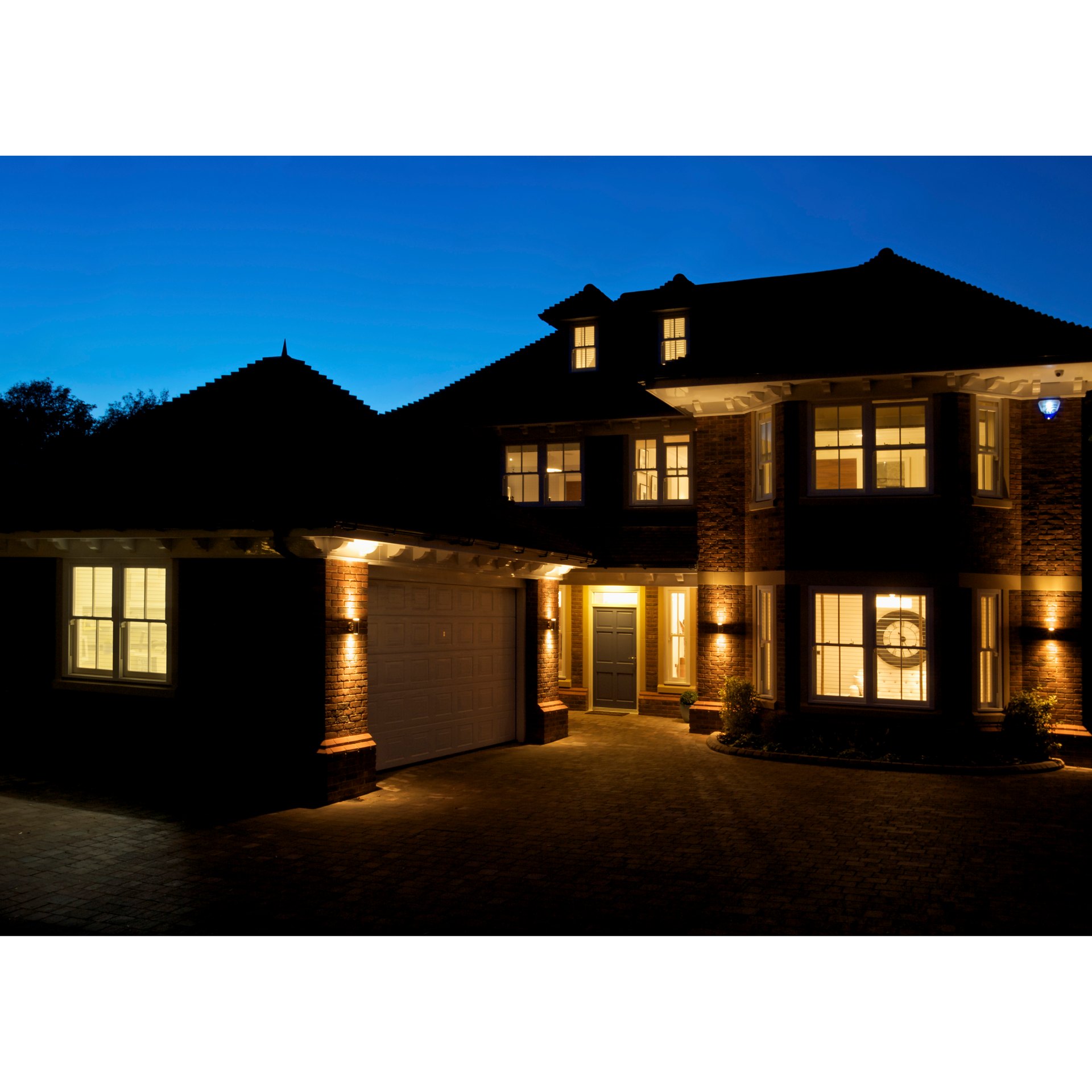
High-net-worth homeowners do not want resilient power infrastructure to visually dominate a carefully designed estate. Batteries, generators, transfer equipment, inverters, utility gear, and large electrical panels require code-compliant placement, but their locations can still be coordinated with architecture and landscape.
On an Atherton or Woodside property, that may mean a screened utility court with service access and acoustic planning. In San Francisco, space constraints can make every equipment location more difficult and may require closer coordination with the architect and local permitting requirements. The earlier those decisions happen, the easier it is to protect the design intent.
California’s 2025 Energy Code includes mandatory BESS-ready requirements for qualifying newly constructed single-family buildings with one or two dwelling units when the dwelling electrical service is greater than 125 amps, with an exception when a battery system is already installed. The California Energy Commission also notes that these particular provisions do not apply to additions and alterations.
For custom-home teams, the practical takeaway is not that every remodel suddenly needs a battery. It is that energy storage, electrification, panel architecture, raceways, and backup planning increasingly belong in the original electrical conversation.
Resilience should not create drama. When the grid fails, the homeowner should not need to find flashlights, walk to an electrical room, study state-of-charge graphs, and start flipping breakers. The property should already know its priorities.
That is the real value of combining intelligent load management with batteries, solar, and—where appropriate—standby generation. The technology behind the scenes may be sophisticated, but the experience should be simple: the critical parts of the estate remain operational, nonessential loads step aside, and additional capacity is restored as conditions allow.
Regent5 designs and integrates Savant Power and smart energy-management systems, solar-battery-generator microgrids, and C-10 electrical infrastructure for high-end homes and estates across San Francisco and the Peninsula. The goal is not simply backup power. It is a property-wide power strategy that is resilient, serviceable, visually considered, and engineered around the way the homeowner actually lives.


.svg)

© 2024 Regent5, LLC. CSLB C10 & C7 License 1033103.