
Standard cameras show that a vehicle arrived. LPR adds a searchable plate record that can help identify repeat visitors, staff and household vehicles, arrival history and flagged plates without manually scrubbing hours of footage.
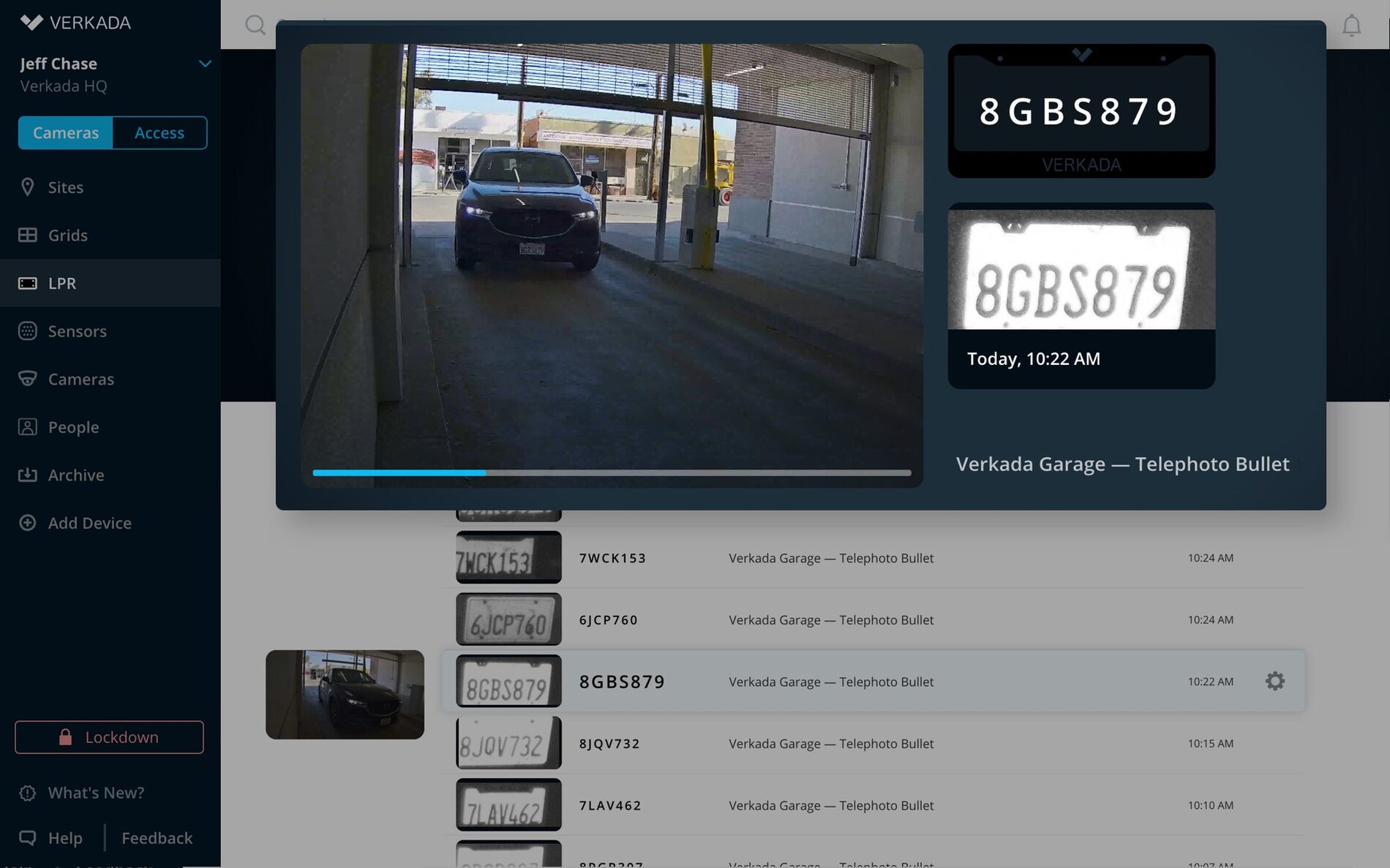
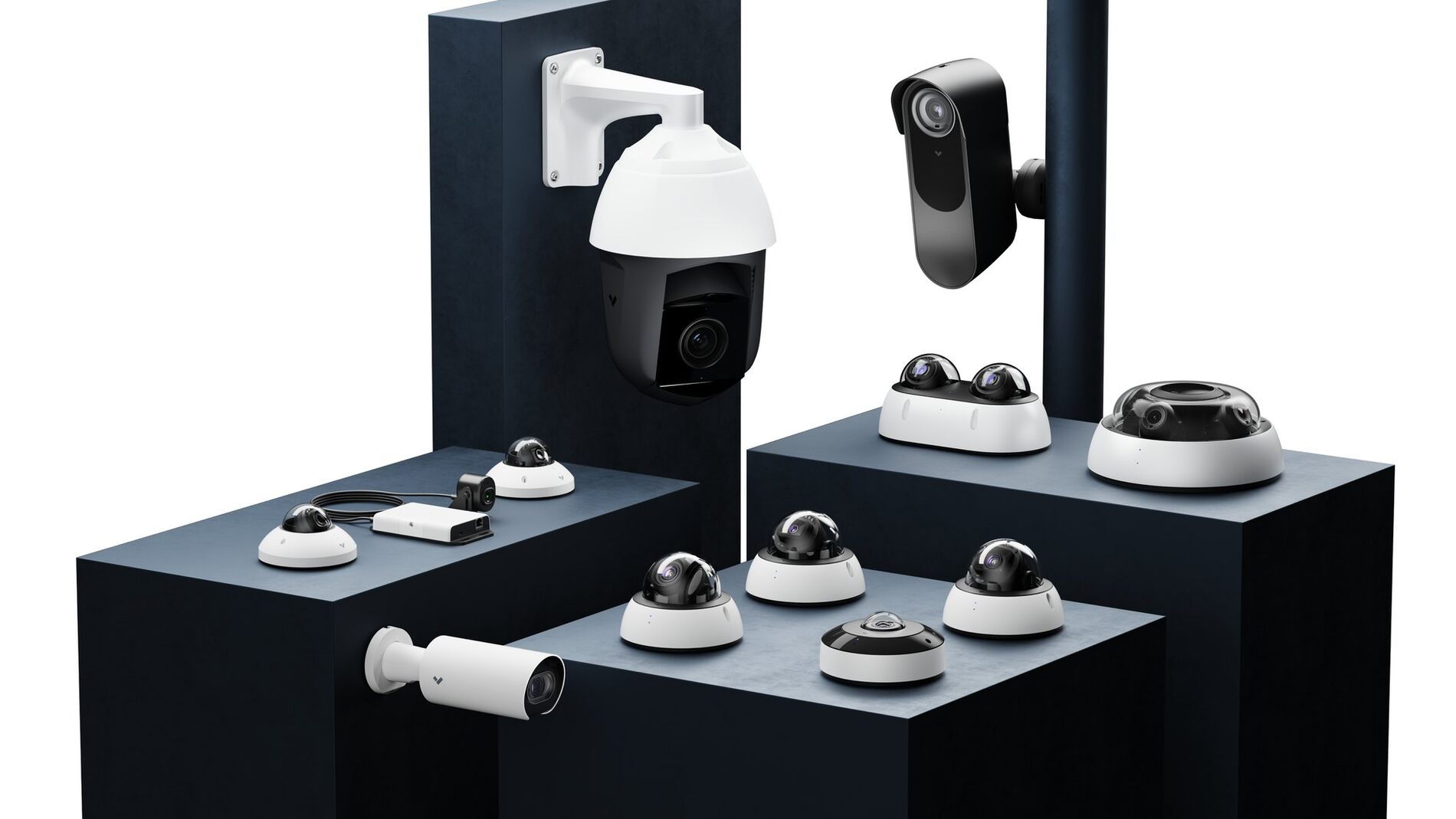

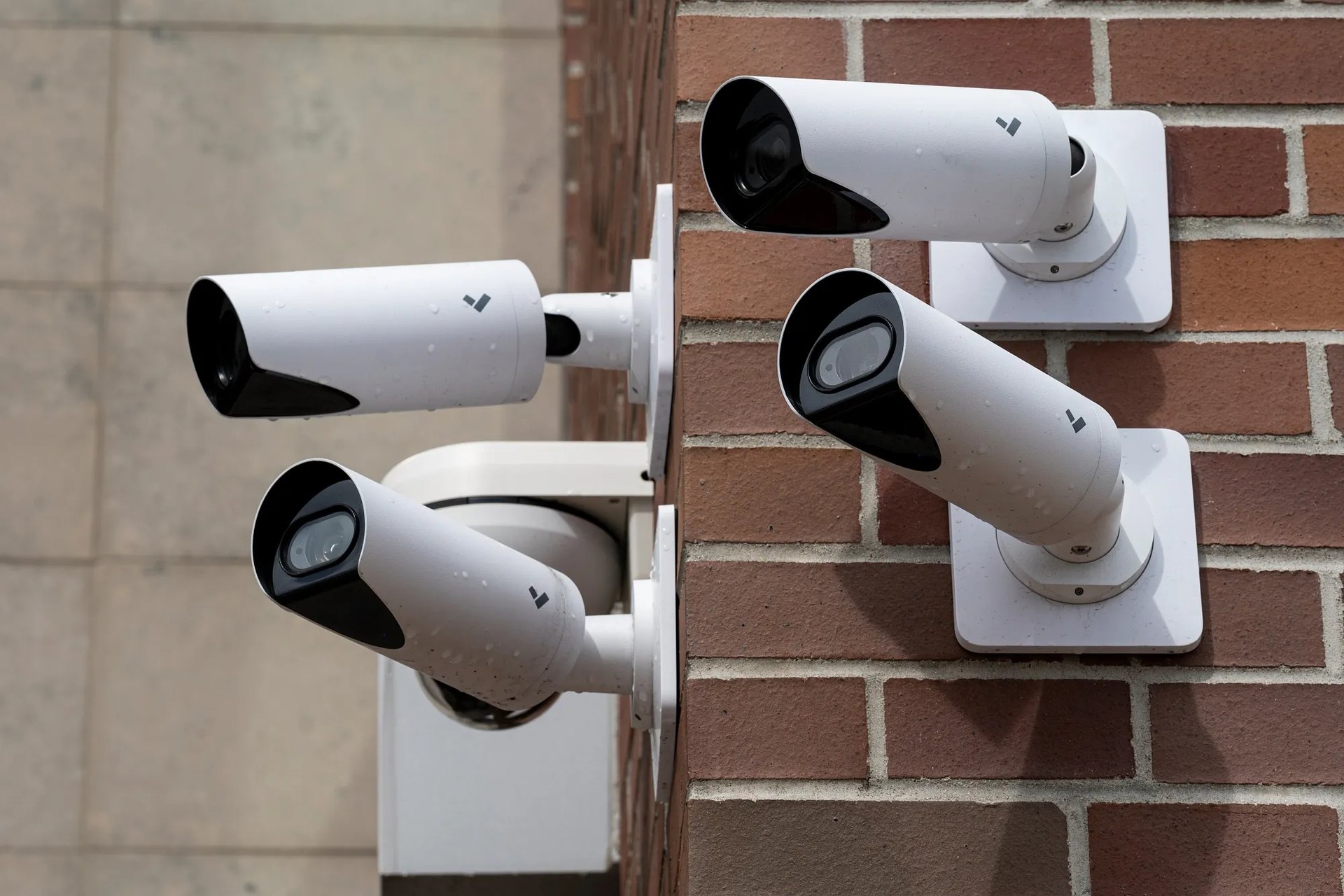
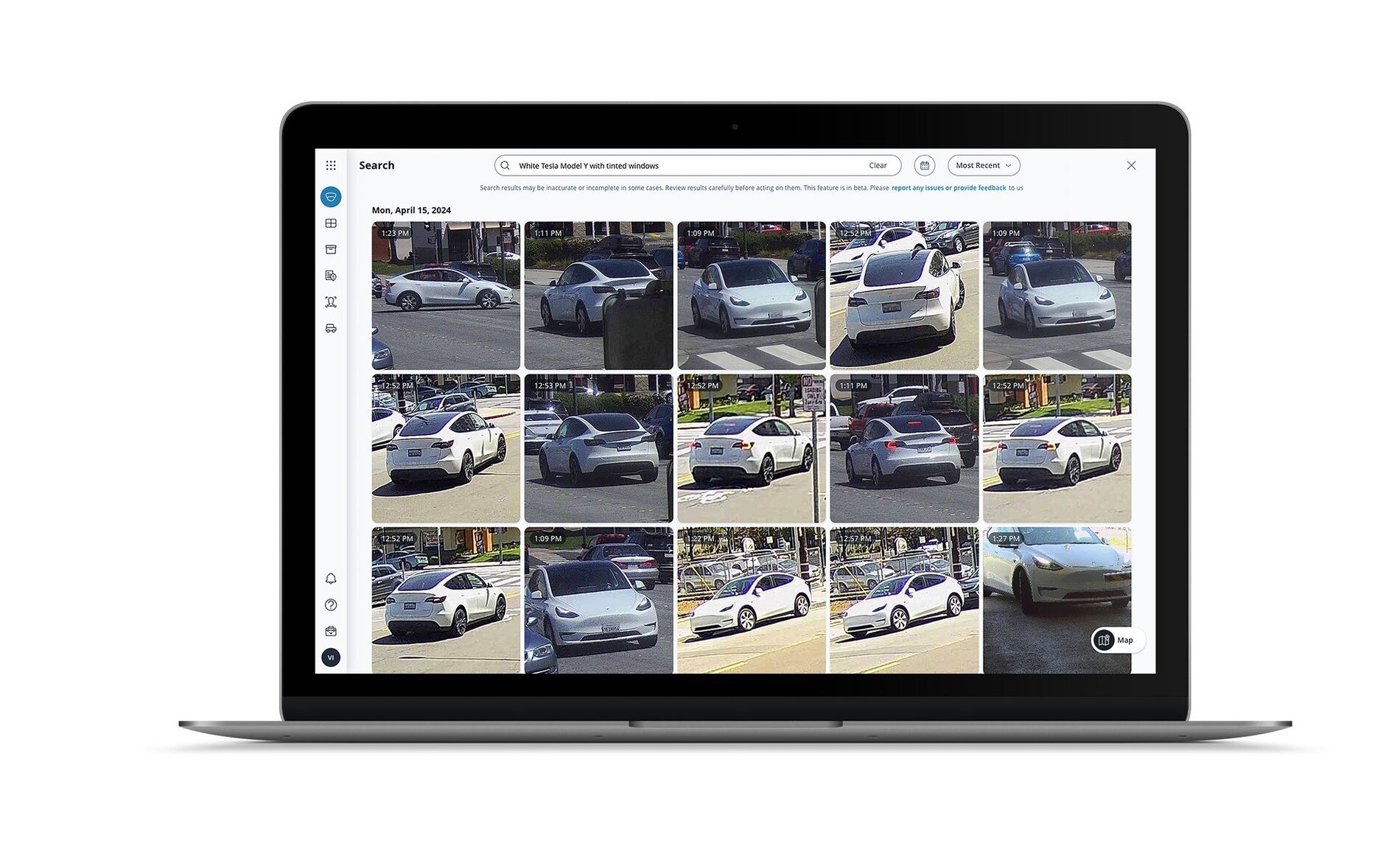
Reliable plate capture depends on mounting height, angle, vehicle path, focal length, shutter behavior, infrared performance and how much of the frame the plate occupies. Regent5 surveys the entry, selects the capture line and commissions the camera using real vehicles in daylight and darkness.
Explore LPR camera installation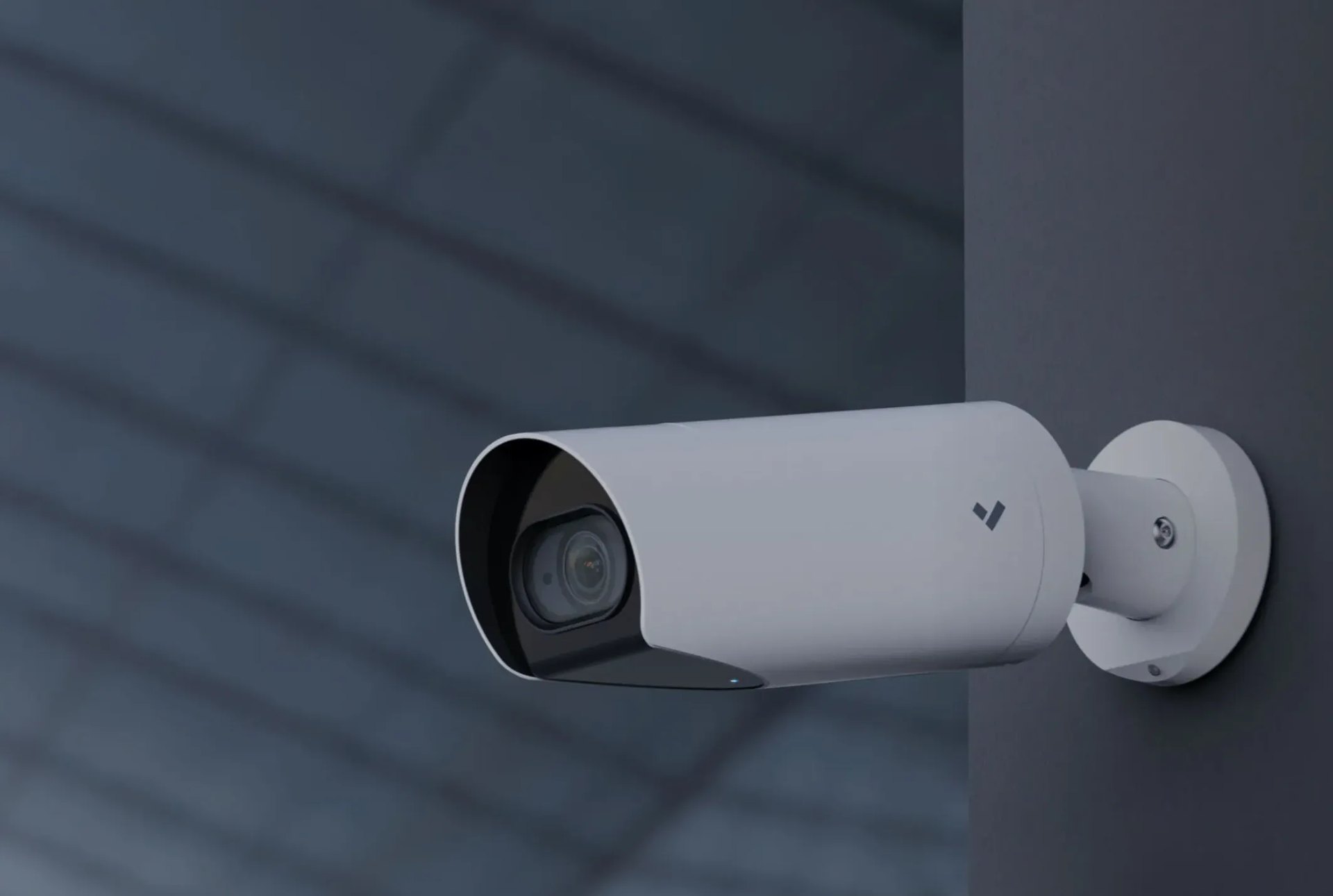
Get started.
Share a few project details and the Regent5 team will follow up on goals, scope and next steps.
Prefer to talk? Call
(650) 242-5745
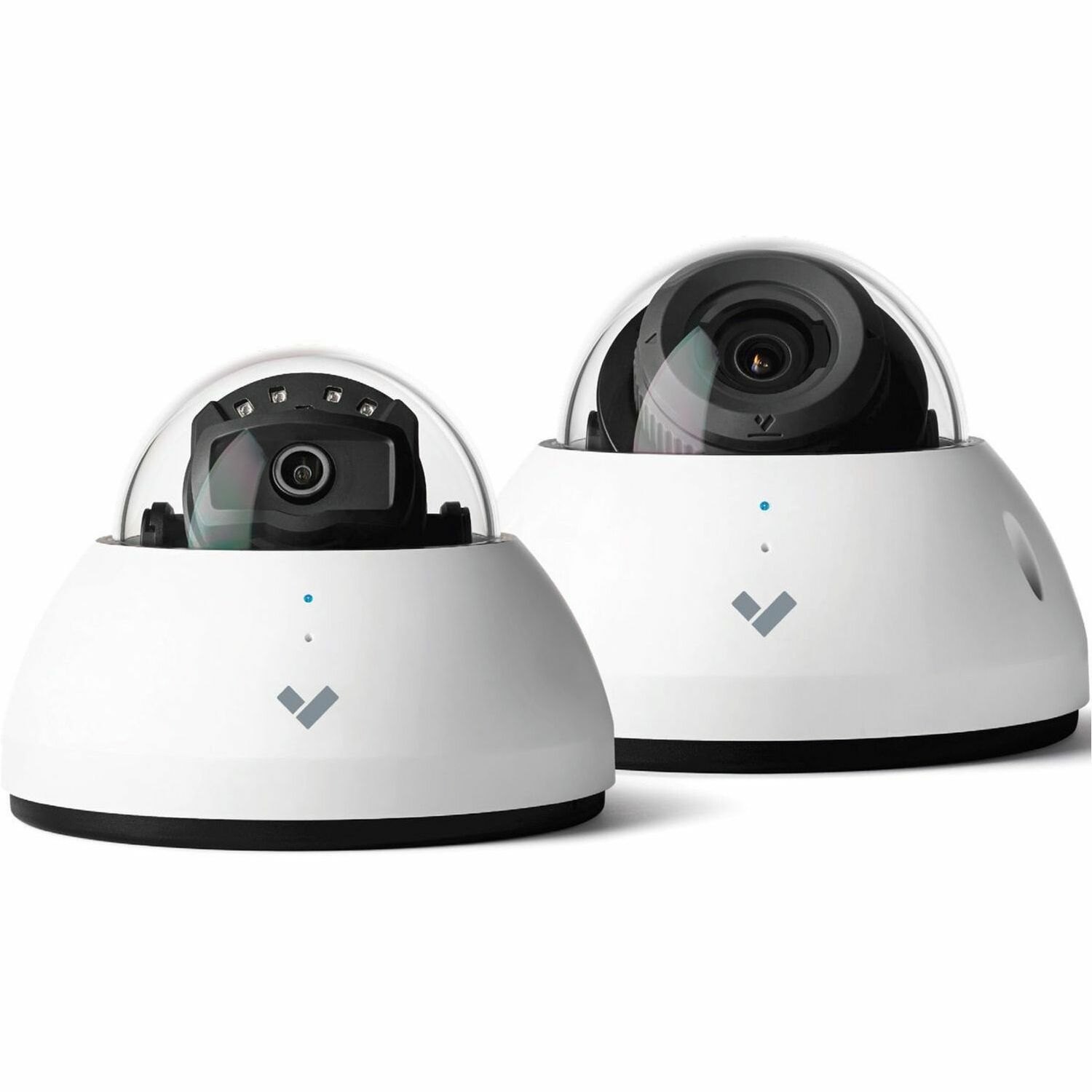
A plate camera is usually aimed tightly at the vehicle path. A second overview camera provides wider context such as vehicle color, driver activity and the surrounding scene. Designing the pair gives owners better evidence than asking one camera to do two jobs.
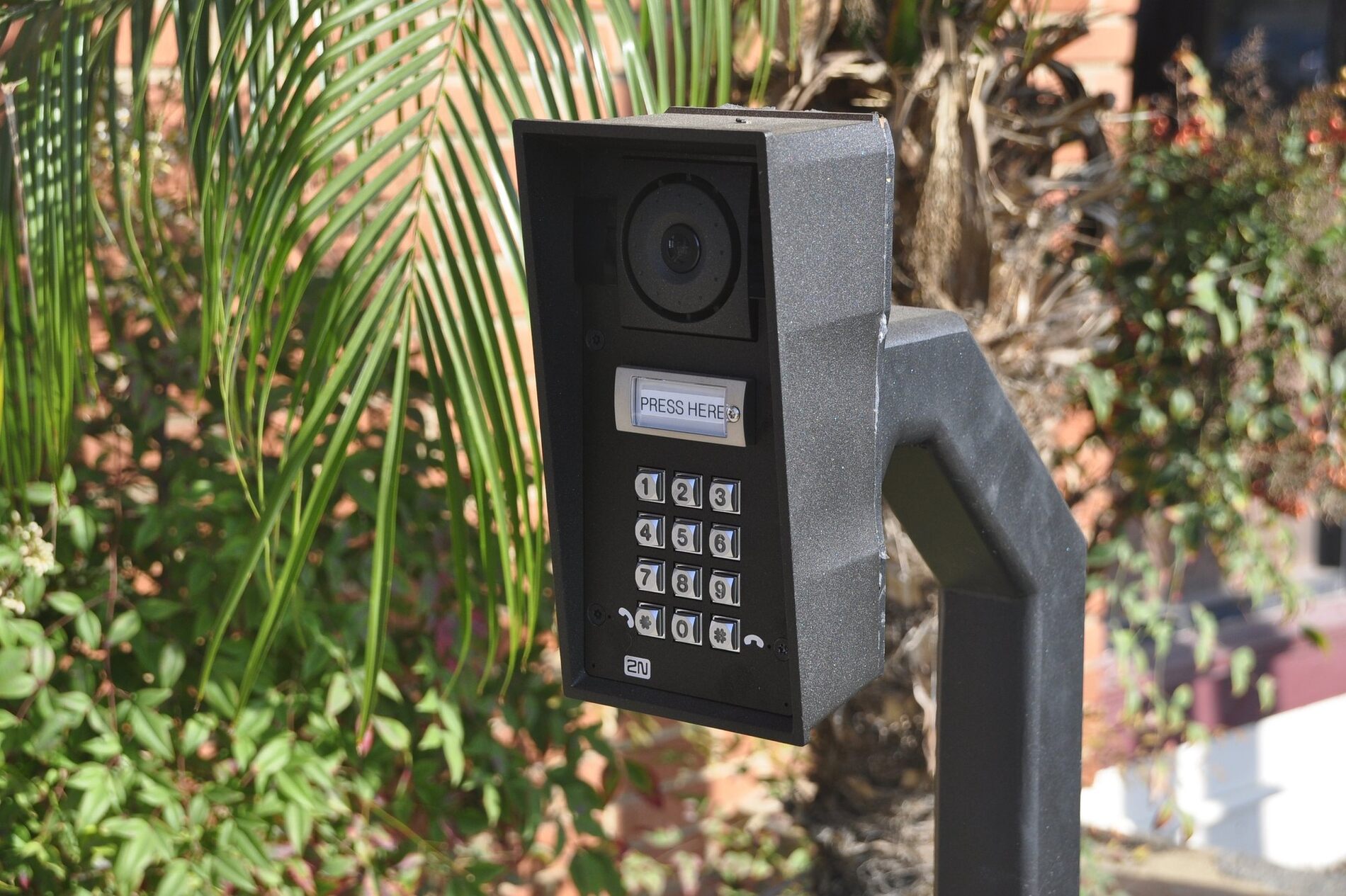
Supported platforms can use approved plates as part of gate or access workflows, allowing known vehicles to be recognized while other visitors continue through the normal intercom or access-control process.
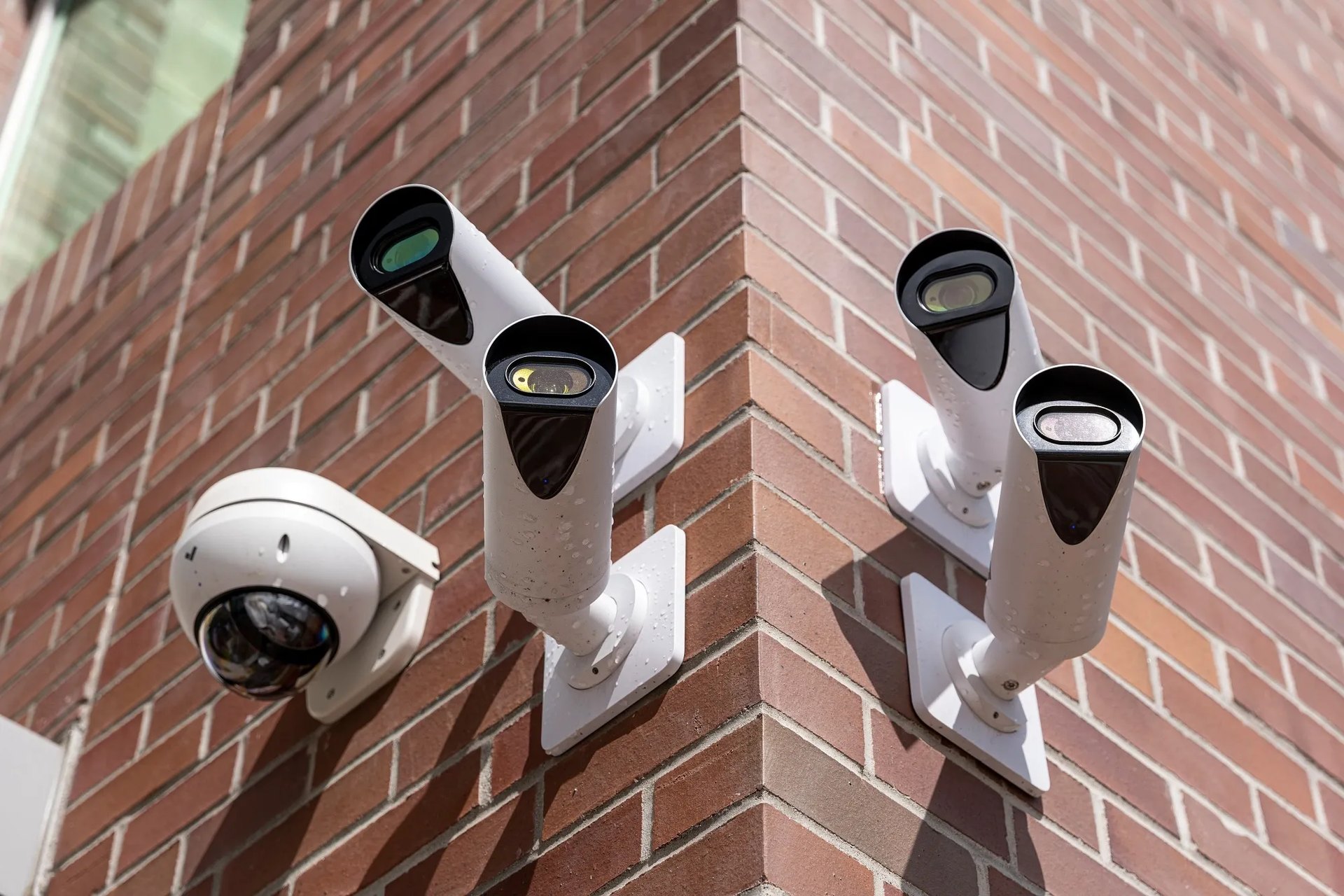
Night performance depends on infrared illumination, exposure settings, mounting geometry and vehicle speed. Regent5 verifies real plate captures after dark rather than assuming daytime performance will translate to nighttime conditions.
Regent5 reviews the gate, lane geometry, vehicle speed and lighting.
The plate camera, context camera and network path are designed together.
Regent5 mounts the cameras and runs power, network and gate interfaces.
Captures are tested with real vehicles by day and after dark.
Supported platforms can use approved plates as part of a gate-access workflow. The exact behavior depends on the camera platform, access-control system and the owner's security policy.
Yes, when the camera, infrared illumination, exposure, angle and vehicle path are designed correctly. Night commissioning is important because reflective plates behave differently after dark.
Often at least two: a dedicated plate camera aimed tightly at the capture line and a wider context camera for the vehicle, driver and surrounding scene.
Yes. Supported systems can flag plates of interest and notify approved users when those plates are detected.
Yes, but the best capture point is usually where vehicle speed and path are predictable. Long approaches may also require fiber, PoE extenders or remote switching depending on distance.
Access should be limited to approved users, retention should be intentional, and the camera system should use secure accounts, managed networking and remote-access practices appropriate to the property.
Arrange a private consultation to discuss the entries on your property.


.svg)

© 2026 Regent5, LLC. CSLB C10 & C7 License 1033103.