
September 16, 2026
Most of the marketing around whole-home automation focuses on what a system can do: the scenes, the voice control, the way a house feels when everything works together. The questions that actually matter come later, after the demo, when you are deciding who installs and services it for the next ten or fifteen years. Here is what to ask, and why each answer matters more than it sounds like it should.

Automation work touches two separate licensed trades in California: electrical (C10) and low-voltage or communications systems (C7). Ask directly whether the company holds both licenses, or whether one scope, usually the low-voltage side, is subcontracted out to a separate crew. A single licensed contractor covering both can create one point of accountability when electrical and technology scopes overlap. Regent5 holds both C10 and C7 classifications and plans the electrical and low-voltage work together rather than treating them as unrelated packages. See our electrical and engineering services.
Lighting, in particular, is close to impossible to evaluate from a brochure or a spec sheet. Color rendering, dimming behavior, and how a scene actually feels in a real room with real furniture are things you notice standing in the space, not on a data sheet listing CRI numbers. Ask whether the company has a showroom or design center where you can compare platforms side by side, under the same materials, at the same time of day. Regent5's design center runs Ketra, Rania, and Lumaris side by side in two dedicated environments—a furnished Lounge and a working Office—so a designer or homeowner can see how the sources behave in different rooms. Our Intelligent Lighting guide explains the families in advance.
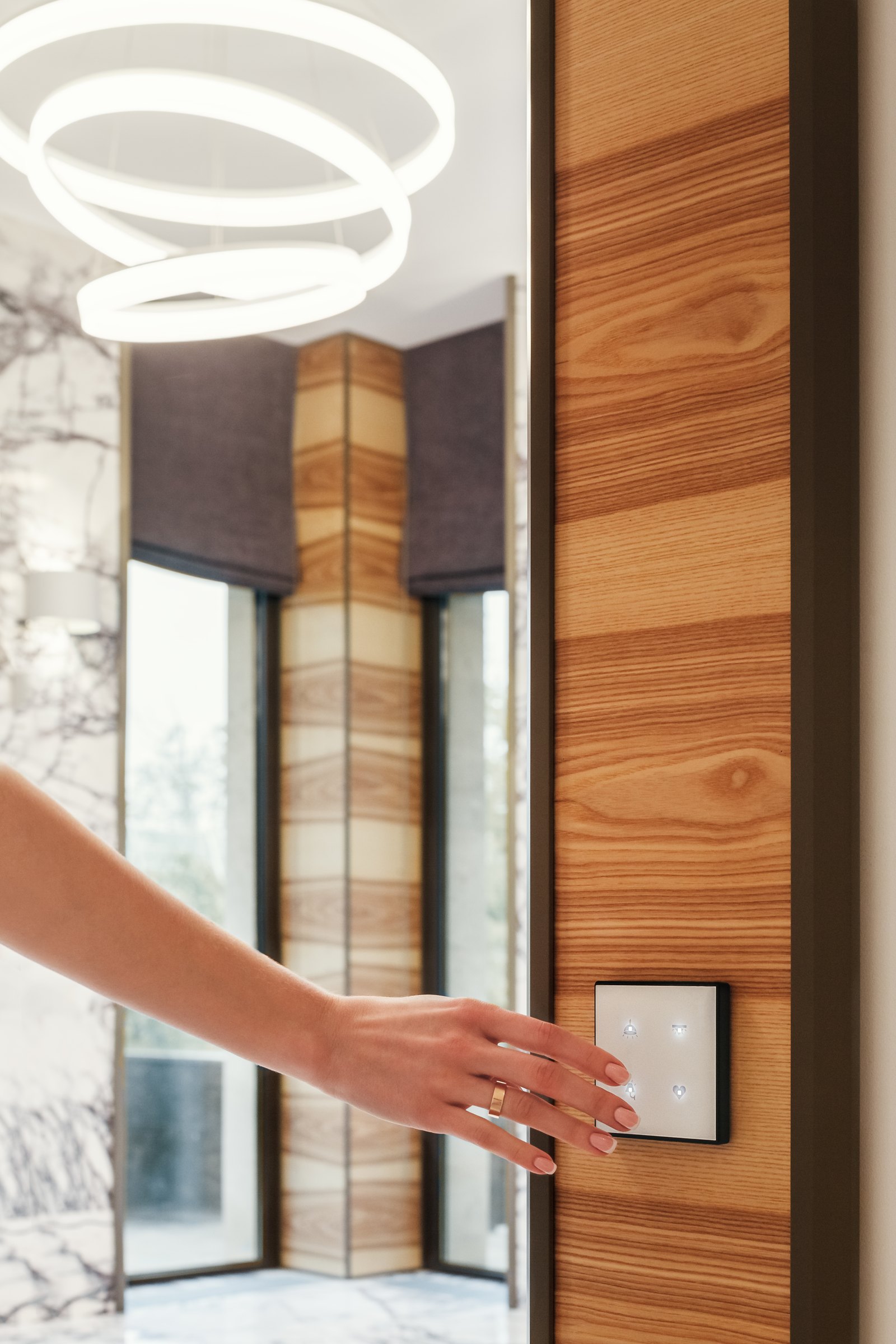
The install is the easy part, relatively speaking. The real test of an integrator is what happens when a component fails two years in, or when a firmware update quietly changes how a keypad behaves, or when you sell the house and the new owner has no idea what they've inherited. Ask directly: what is the response time for an existing client, and does the company service systems it did not originally install? A company that hedges on the second question, or that only wants to talk about new sales, is telling you something about how it thinks about long-term clients. Regent5 services existing Lutron, Savant, Control4, Crestron, and Vantage systems regardless of who installed them, which can be important for inherited or takeover projects.
A whole-home automation project should end with more than a working system left running. Ask for the project file: wiring diagrams, the programming file or backup, a device list with model numbers, and admin credentials for every platform involved. Without this, a future service call starts from zero, because the next technician has to reverse-engineer the system before they can even diagnose it, let alone quote a repair. A future owner inherits a system nobody can service without guessing at what's actually behind the walls. This single document, or lack of it, is usually the difference between a five-minute service visit and a half-day investigation.
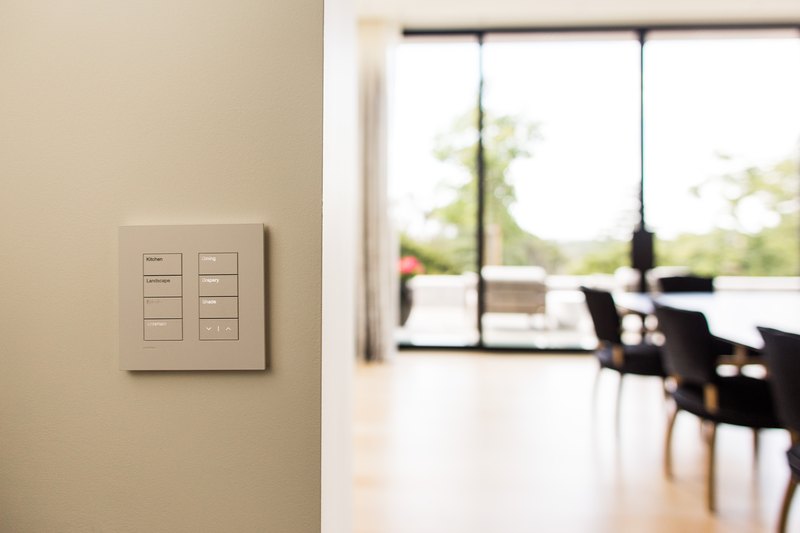
Lutron, Savant, Control4, Crestron, and Vantage each solve slightly different problems, and the right one depends on the project, not on which brand the company happens to sell. An integrator that only carries one platform has a built-in incentive to fit every project into it, whether or not it's the right tool for a given house. Ask what platforms the company is an authorized dealer for, and ask them to make the case for one over another for your specific situation, including a direct answer on when their preferred platform is not the right fit.
Reputable integrators generally will not publish fixed prices publicly, because the same system, on paper, costs meaningfully different amounts depending on property size, whether it's retrofit or new construction, and how much low-voltage infrastructure already exists. What you should get instead of a number is a clear explanation of how the estimate is built: the labor basis, what's included in design versus installation versus programming, and what would trigger a change order.
This one gets asked less often than it should. Dealer authorizations, firmware support windows, and even entire product lines can change over a system's life. Ask how the company handles a discontinued component, and whether they've navigated a legacy upgrade before, not just a new install. A company that can describe converting an old panel to a current platform, rather than telling you to rip everything out, is one that thinks in terms of the system's whole life, not just the sale.
A showroom demonstrates what a platform can do. A reference from an existing client, ideally one with a system installed a few years ago rather than last month, tells you what the relationship looks like once the initial excitement wears off. Ask for one, and ask them specifically about response time and whether anything has needed service.

None of these questions are meant to catch anyone out. They're the ones that separate a real long-term service relationship from a one-time installation, and any integrator confident in their work should be glad to answer them plainly.


.svg)

© 2024 Regent5, LLC. CSLB C10 & C7 License 1033103.