
September 16, 2026
For a custom home, lighting quality should be designed as deliberately as the architecture, millwork and interior finishes. Lutron now offers three distinct Intelligent Lighting families for residential projects: Ketra, Rania and Lumaris. They share the advantage of being engineered around Lutron control systems, but they are not simply three versions of the same light source.
Ketra offers the broadest white-light range, high-definition color, customizable color rendering and individually addressable wireless control. Rania focuses on exceptionally natural white light across a wide color-temperature range. Lumaris brings tunable white, warm dim and optional RGB color to downlights and low-profile tape lighting at a more accessible entry point.
This guide is written for homeowners, architects, interior designers, builders and lighting designers planning design-led residential construction in the San Francisco Bay Area and Northern California. It explains where Ketra, Rania and Lumaris differ, where each belongs, how the D2 downlight family is specified, and how Regent5 coordinates the lighting with Lutron HomeWorks, keypads, shades, electrical engineering and the architectural plan.
Product capabilities reviewed September 2026. Manufacturer specifications and regional availability can change; confirm the current model and system requirements before ordering. Manufacturer photography illustrates Lutron products and design possibilities, not Regent5 installations.
A recessed downlight can look nearly identical to another recessed downlight when it is off. The difference appears after the room is finished: how warm the light can become at night, how convincingly it can move toward daylight during the day, how artwork and materials read under it, how smoothly it dims, and whether the entire home can be coordinated from one lighting-control system.
Lutron’s current Intelligent Lighting portfolio separates those capabilities into three families. In residential applications, Ketra and Rania are designed around HomeWorks, while Lumaris works with HomeWorks and RadioRA 3. That distinction matters early because the lighting family, control system, electrical design and keypad strategy should be coordinated together rather than chosen one trade at a time.
Ketra: 1,400K–10,000K natural white light, 16.7 million high-definition colors, Color Lock technology, Vibrancy control and individually addressable wireless light sources. Available across downlights, lamps, track and linear lighting. For residential projects, Ketra is paired with HomeWorks.
Rania: 1,800K–5,500K natural white light using Lutron color science derived from Ketra technology. Rania is available in D2 downlights, A20 and PAR lamps, track applications and flexible tape light. It is a white-light system rather than a full-color Ketra system and is designed for HomeWorks in residential projects.
Lumaris: 1,800K–4,000K tunable white with smooth dimming down to 0.1%, plus RGB + tunable-white tape-light options for projects that want color accents. Lumaris includes tape lighting and a growing family of downlights for new construction, remodel and retrofit conditions. It works with HomeWorks and RadioRA 3.
The choice does not have to be one family for the entire residence. A well-designed project can use different families where their capabilities make sense, provided the lighting designer and integrator coordinate color range, fixture types, controls and scenes.
Color rendering cannot be judged reliably from a brochure, a specification sheet or a phone screen. The display itself changes the color. That is why Regent5 maintains two dedicated Intelligent Lighting demonstration rooms at our showroom and design center, with Ketra, Rania and Lumaris installed and running side by side on Lutron HomeWorks QSX.
The first is a clean office environment, where the differences in white light, task lighting, scene composition and daytime-to-evening tuning are easy to see. The second is a furnished Lounge designed as a living and family room environment, with the kinds of sofas, rugs, timber, art and decorative objects a real home contains. A light source that flatters a lounge does not automatically suit a desk, so we built both environments deliberately.
Homeowners, architects and interior designers can compare the same families in both rooms before the fixture schedule is finalized. Bring a fabric sample, a paint card, stone, wood or another actual finish from the project and see what happens to it under Ketra, Rania and Lumaris. There is no charge to use the lighting rooms; the purpose is to make the specification decision before the ceiling is closed.
The following images use the same office, the same fixtures and the same architecture. Only the programmed lighting scene changes. This is a better explanation of intelligent lighting than a list of specifications because it shows what scene composition actually does to a room.
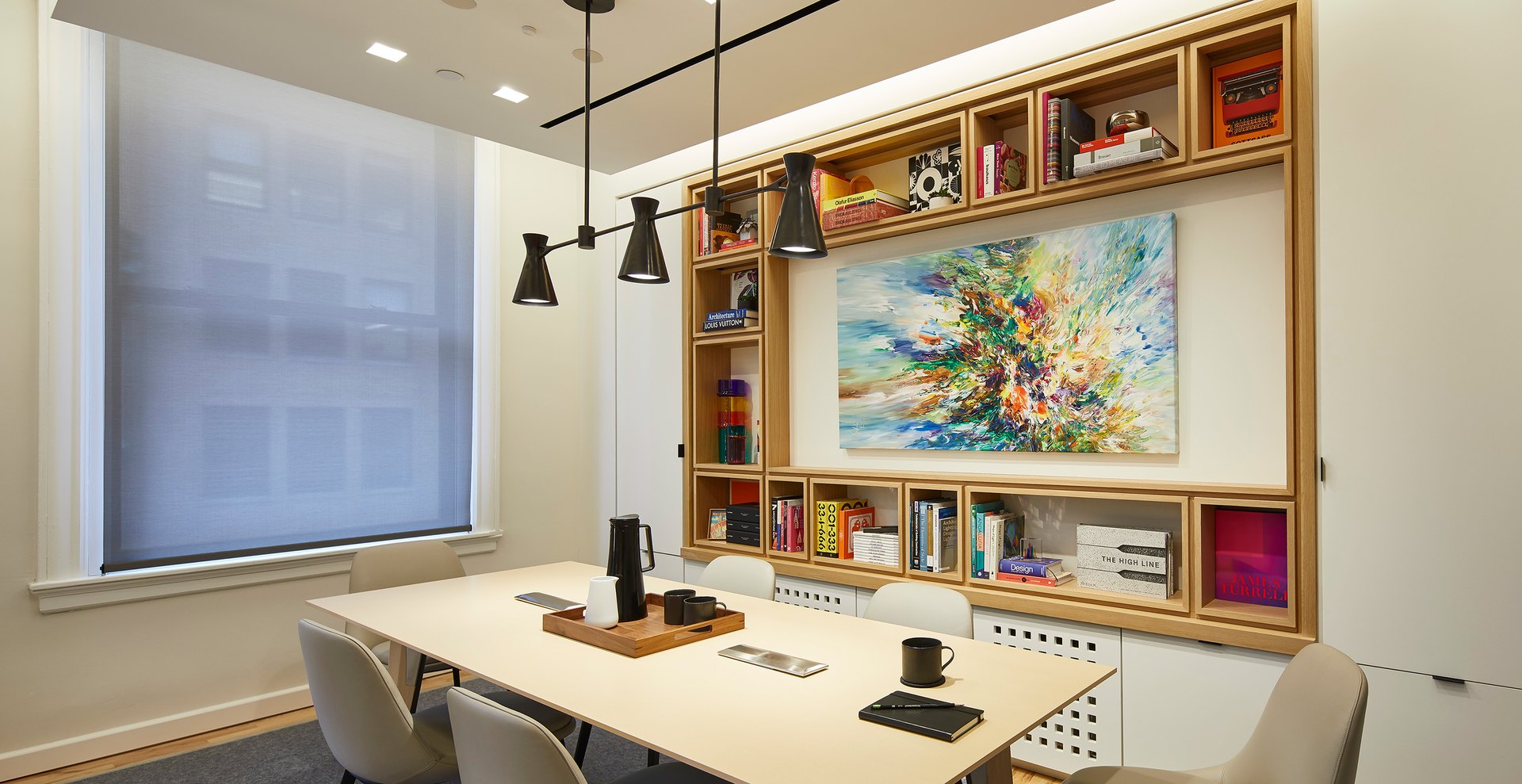
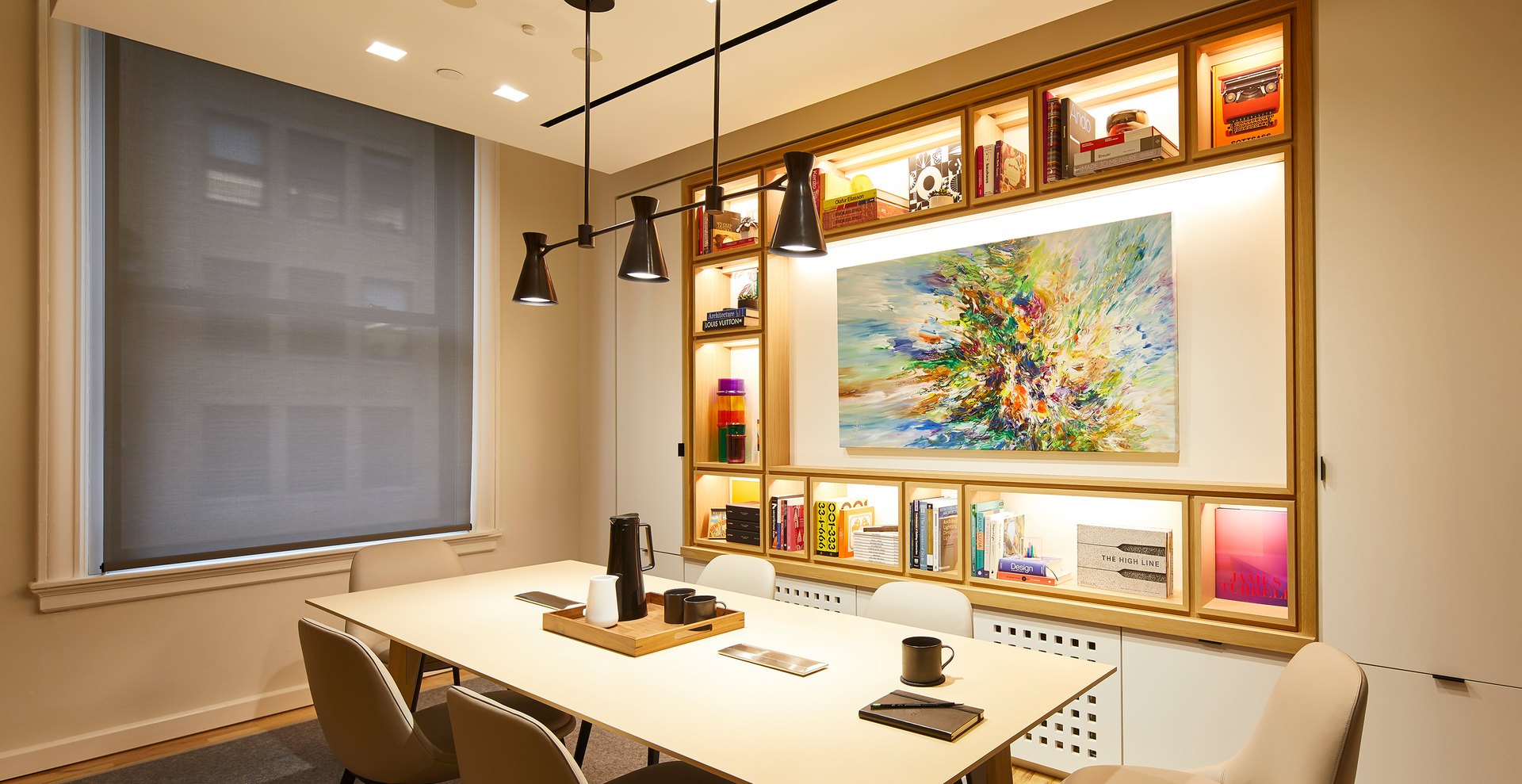
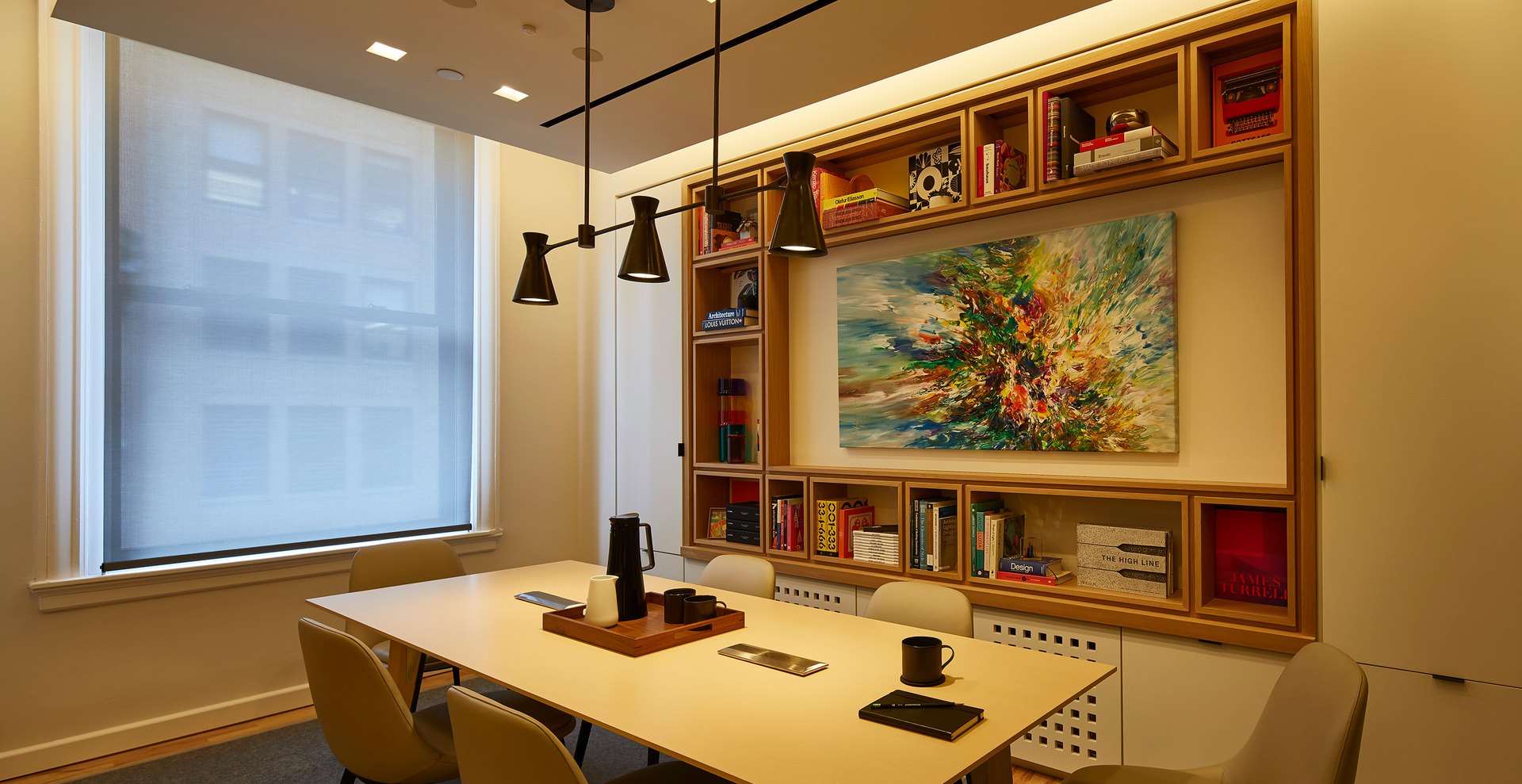
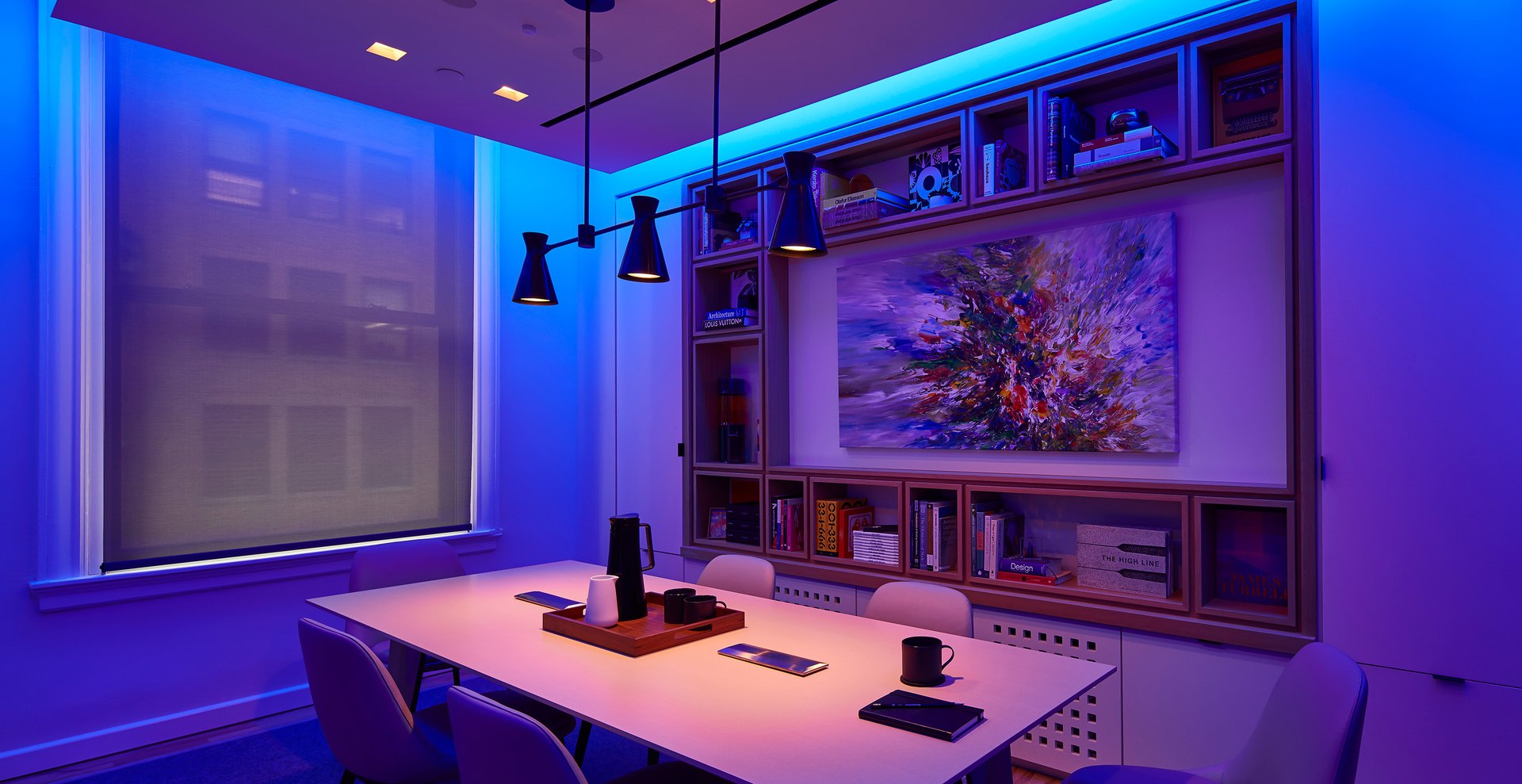
Ketra is the appropriate starting point when the light itself is a major design material. Rather than relying on a single white LED channel, Ketra mixes color to create white light across an exceptionally wide 1,400K–10,000K range. It can move from very warm, candle-like tones through daylight and into cooler color temperatures, while also producing a palette of 16.7 million colors.
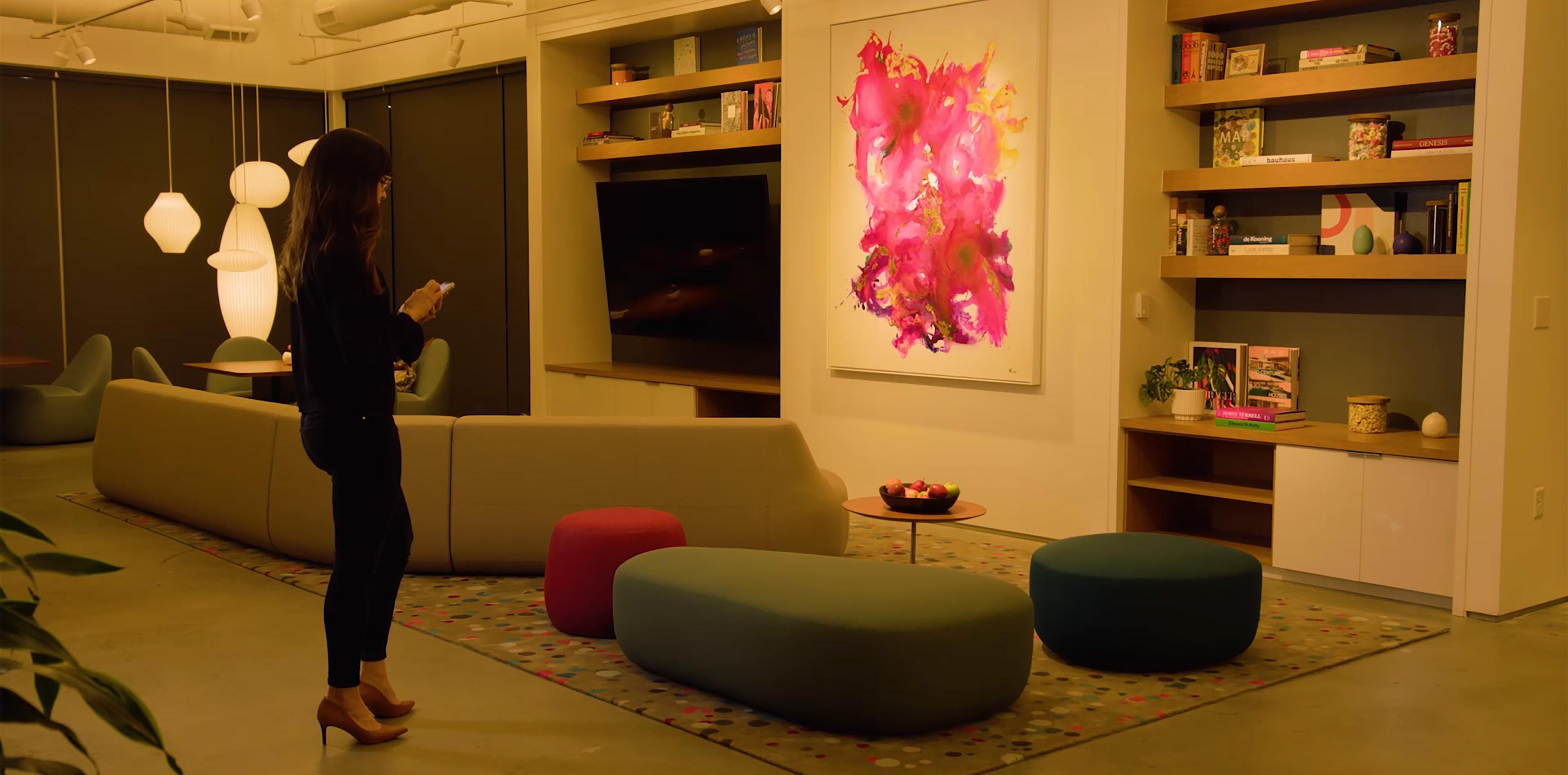
Ketra’s Vibrancy feature adds another design control beyond brightness and color temperature. It changes the balance of the light spectrum to alter how colors in artwork, textiles, stone and furnishings are rendered without simply turning the room into colored light. For homes with significant art, richly colored materials or carefully selected interiors, this can become a useful commissioning tool rather than a novelty.
Ketra also includes Color Lock technology, which continually monitors output and compensates to preserve color consistency as the light source ages. That is important in a large residence where dozens or hundreds of luminaires may be visible together and where color drift between fixtures would be noticeable.
A conventional recessed LED is often treated as a load that a wall dimmer or centralized dimming module directly reduces. Ketra and Rania D2 use a different architecture. The intelligent fixture remains powered and receives scene, intensity and color-temperature commands through Lutron’s native wireless control, including Clear Connect Type X on current D2 products. In other words, the light source itself is part of the control system rather than simply sitting downstream of a traditional dimmer.
That is what makes individual addressing, rezoning and sophisticated scene composition possible. It is also why Regent5 coordinates the electrical drawings and the HomeWorks design together: power, wireless coverage, gateways, fixture families and programming are one system decision, not separate trades meeting at the end.
For architects and interior designers, the D2 family is one of the most useful parts of Lutron Intelligent Lighting because Ketra D2 and Rania D2 share the same two-inch architectural conversation. A project can therefore put Ketra in feature spaces where full-spectrum color and Vibrancy matter, then use Rania D2 in surrounding spaces where exceptional tunable white is enough, without making the ceiling look like two unrelated lighting systems.
The current D2 family is available in fixed, adjustable and wall-wash configurations. Current optical options include 15° spot, 25° narrow flood, 40° flood and 60° wide flood on applicable D2 models. That lets the lighting designer choose a tight accent for artwork, a broader distribution for ambient light, or a dedicated wall wash instead of using one generic beam everywhere.
The current Ketra and Rania D2 New Construction housings are designed for open framing and are IC-rated. The housing mounts during rough-in before drywall, while the visible trim and light engine complete the ceiling later. This is the correct route for a new custom home because it gives the project team the greatest freedom to coordinate framing, aperture locations, aiming and reflected-ceiling details before finishes arrive.
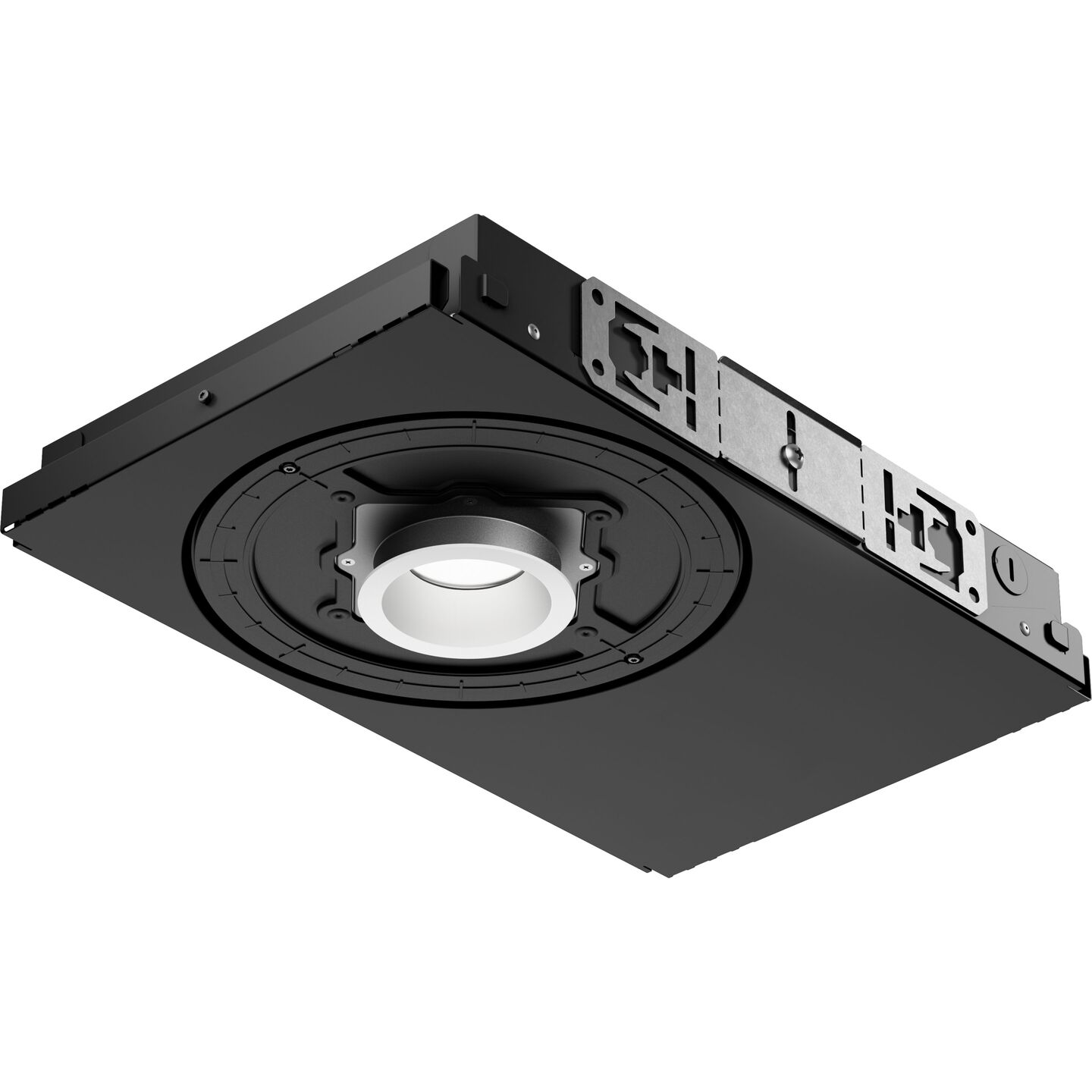
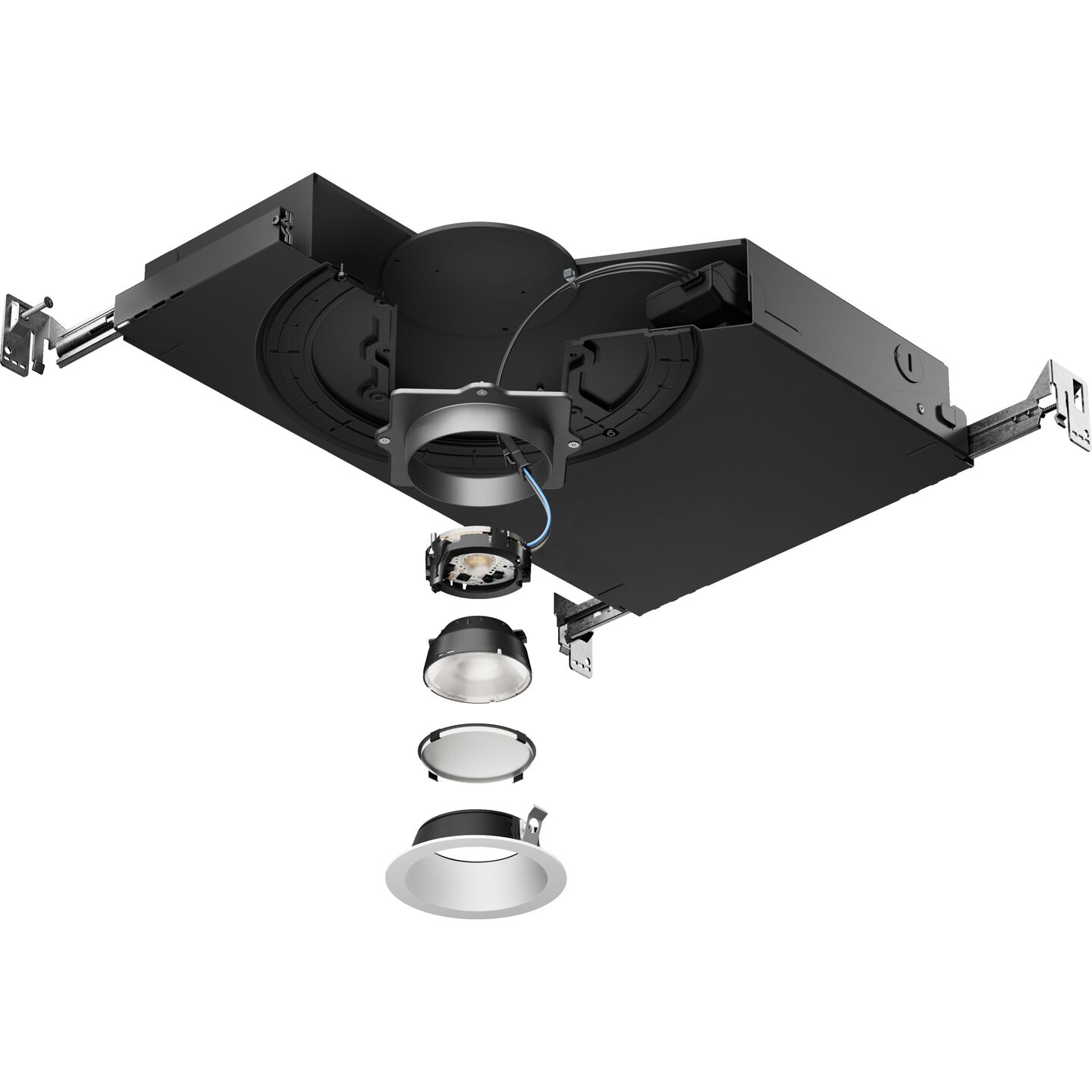
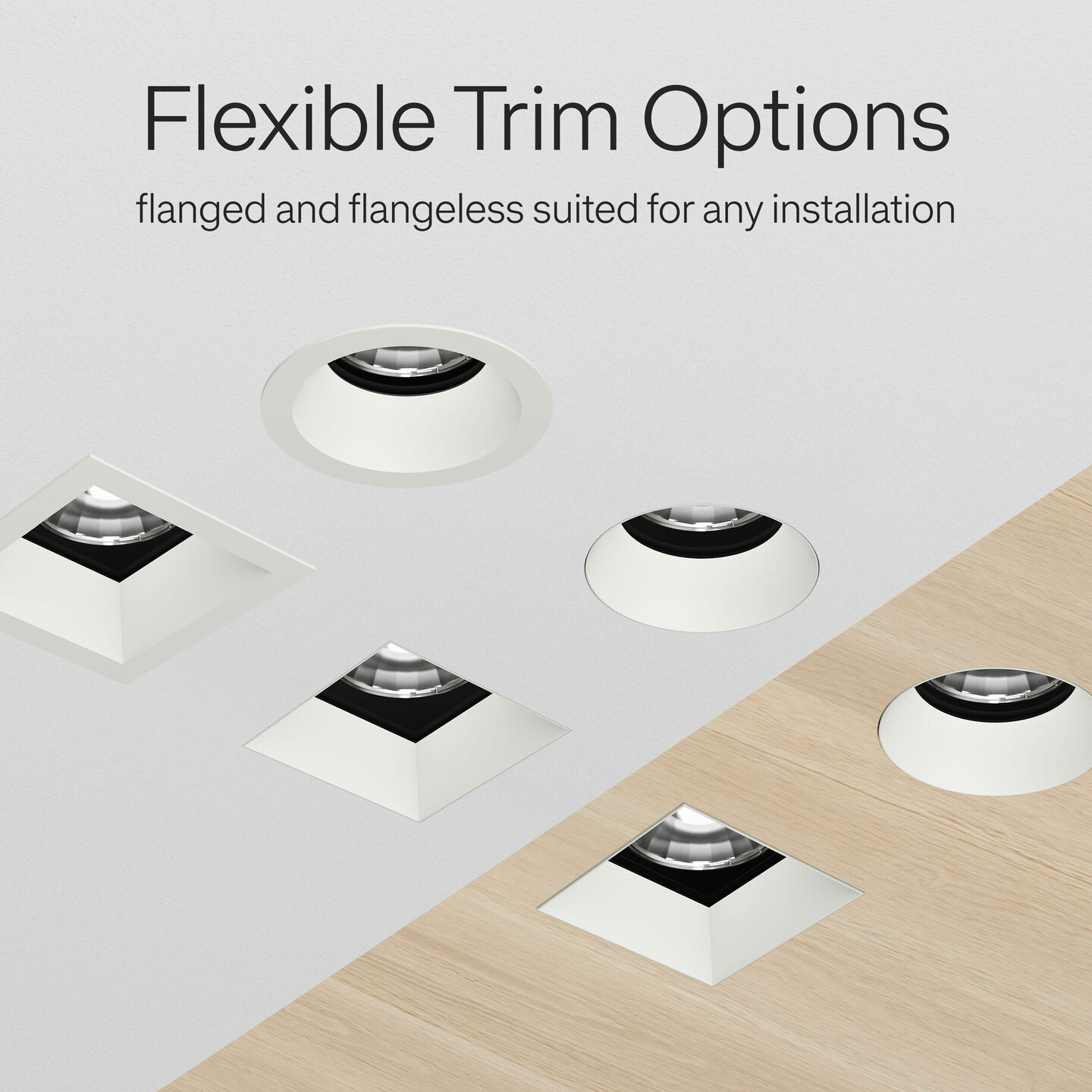
D2 should be placed on the finish schedule, not treated as a generic can light. Current D2 configurations include flanged, flangeless mud-in and flangeless millwork installation approaches, with round and square visual options depending on the specification. A flanged trim may be appropriate where serviceability and a crisp finished edge are priorities; a flangeless mud-in detail can make the aperture nearly disappear into a plaster or drywall ceiling; millwork details allow the lighting to resolve cleanly within wood and other architectural surfaces.
The D2 Remodeler family is particularly important for finished homes. Current Ketra and Rania D2 Remodeler models install through an existing finished ceiling rather than requiring open framing. Lutron’s current Rania D2 Adjustable Remodeler, for example, uses a 3.125-inch standard flanged cutout or a 4-inch flangeless mud-in cutout and provides 361-degree rotation with 40-degree tilt for precise aiming. It is a non-IC-rated fixture, so actual ceiling depth, insulation, clearances and access must be surveyed before it is specified.
This creates a credible retrofit path for an estate or major remodel where the owner wants a smaller two-inch aperture, better white light and HomeWorks integration without demolishing otherwise finished rooms. The same strategy can put Ketra in art-focused or entertaining spaces and Rania in adjacent rooms, preserving a consistent ceiling language while reserving Ketra’s full-color premium for the spaces that genuinely benefit from it.
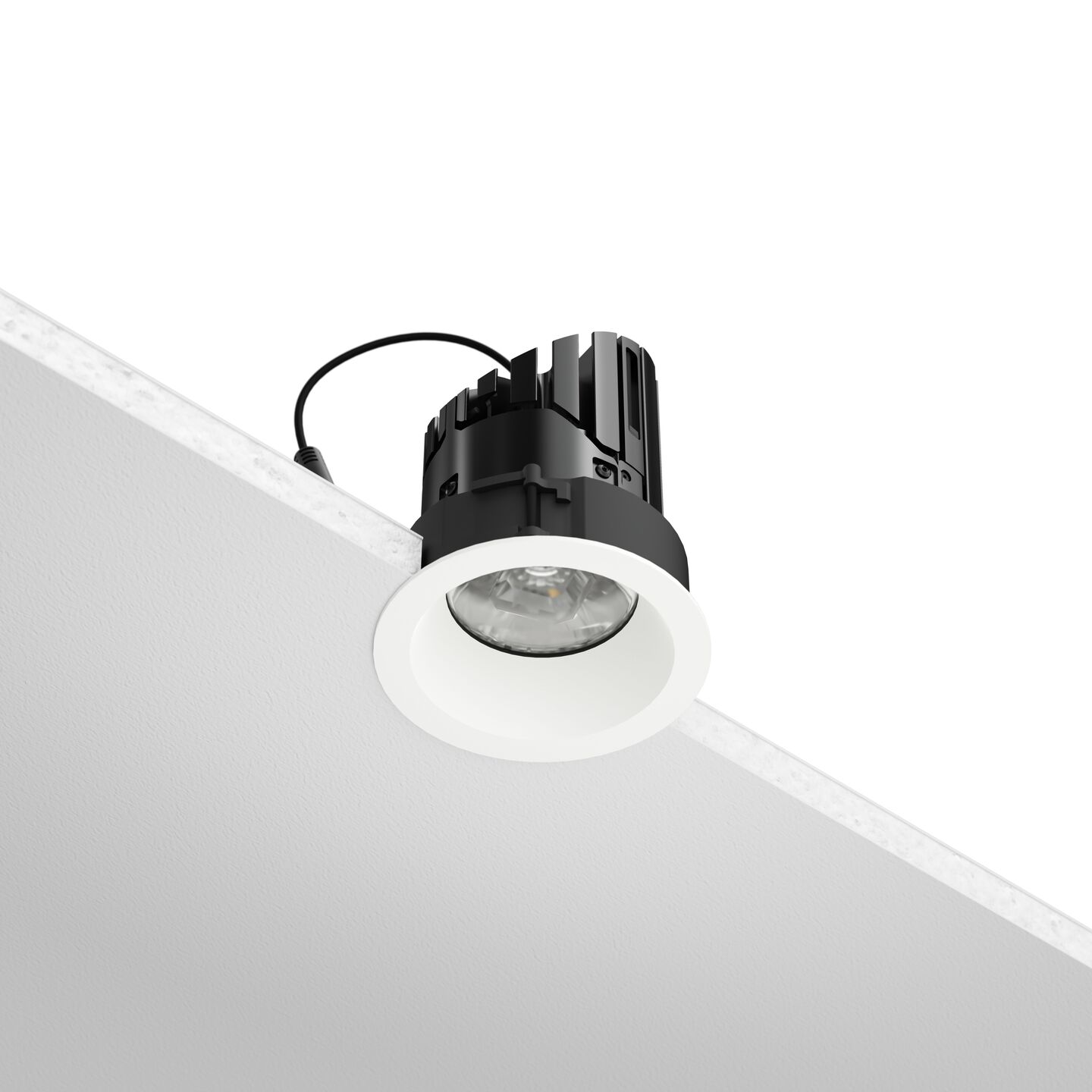
Rania occupies an important position between conventional tunable-white lighting and Ketra. It uses Lutron’s advanced color-mixing approach to create a broad range of natural white light from 1,800K–5,500K. That gives a project substantially more range than a typical warm-dim source while keeping the focus on white light rather than saturated color.
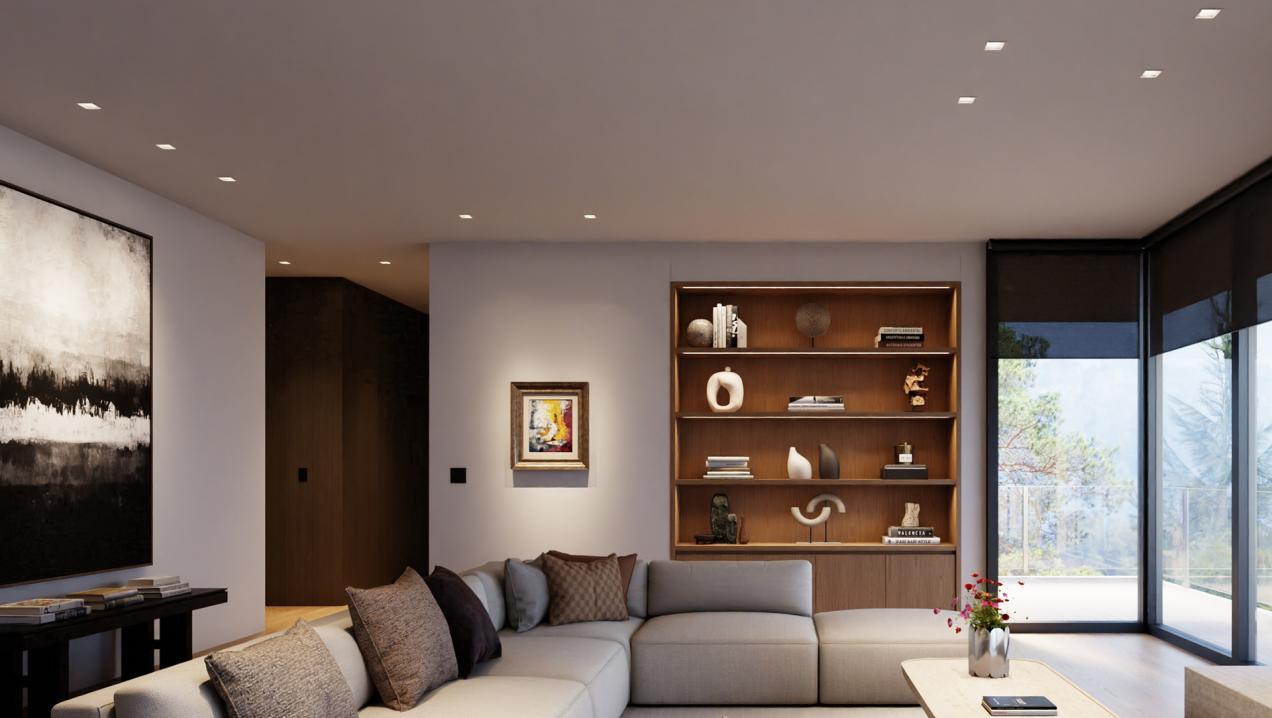
Many tunable-white systems simply blend a warm white channel and a cool white channel. Rania is designed to create more natural-looking white light across its range. Lutron currently rates Rania at 90+ CRI across most of the 2,700K–5,000K portion of its spectrum, with the intent of rendering finishes and objects with greater depth and consistency under both warmer and cooler white light.
For a home where the design team wants morning-to-evening white-light variation but does not need Ketra’s full-color capability or Vibrancy control, Rania can be a compelling specification.
Rania is no longer only a recessed-light story. The current family includes two-inch D2 new-construction and remodeler downlights in fixed, adjustable and wall-wash configurations; A20 lamps for decorative fixtures; S30 and S38 PAR lamps for recessed and track applications; and flexible natural-white tape light for cabinetry, mirrors, stairs and other low-profile details.
This matters because a room feels more resolved when its different layers of light belong to the same visual family. A ceiling downlight, an accent source and a linear detail can be coordinated around the same 1,800K–5,500K Rania range rather than mixing unrelated LED products that render whites and finishes differently.
Lumaris is Lutron’s entry point into Intelligent Lighting for projects that want tunable white and warm-dim behavior without the full capabilities or cost tier of Rania or Ketra. Its current tunable-white range is 1,800K–4,000K, with flicker-free dimming down to 0.1% and a stated CRI of 90+.
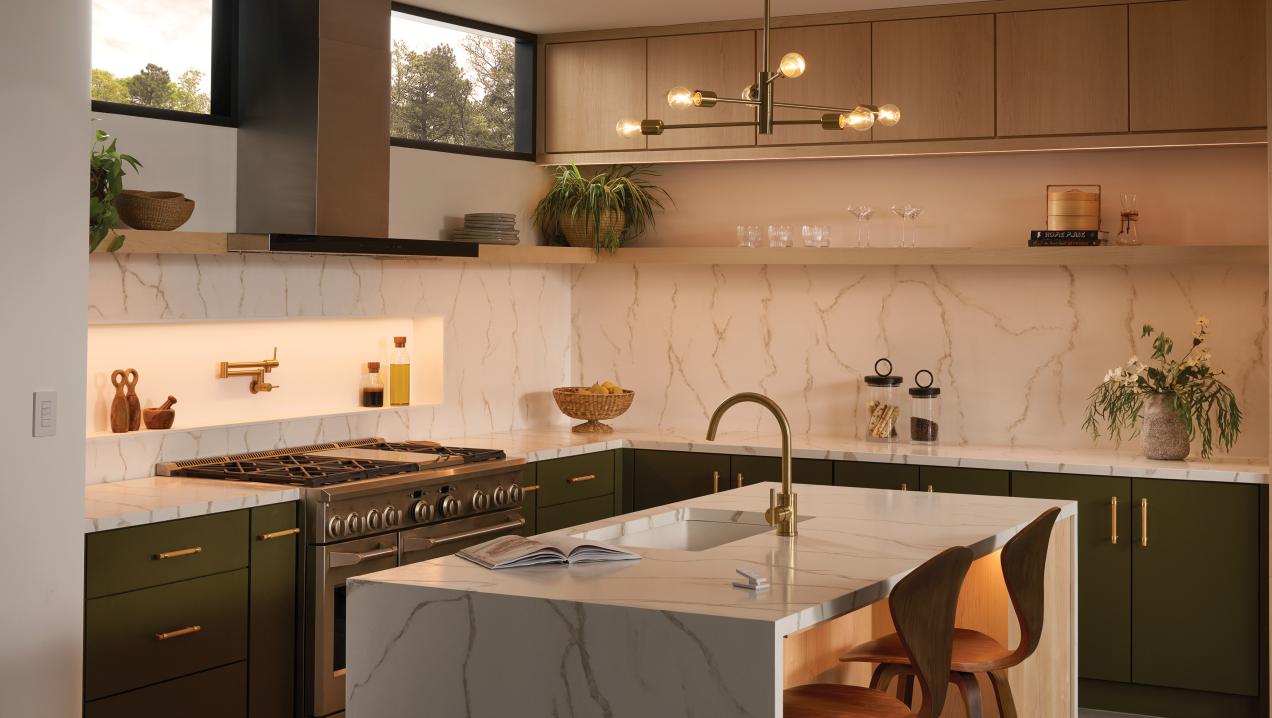
Lumaris is available as tunable-white tape light and as RGB + tunable-white tape light. The first is ideal where the goal is coordinated warm-to-neutral architectural lighting. The RGB + tunable-white version adds saturated color for entertainment spaces, bars, display details or other areas where color is intentionally part of the design.
Lutron’s current tape-light system is field-cuttable in two-inch increments, making it useful for custom millwork, curved details and precise cabinet dimensions. The tape should still be treated as an engineered lighting system: extrusion, lensing, driver location, service access, thermal management and reflected surfaces all affect the final result.
Lumaris now includes downlight options for new construction, finished ceilings and existing cans. That makes the family relevant to both new custom homes and substantial renovations. A project can use Lumaris for recessed lighting while carrying matching tunable-white behavior into tape-light details.
Unlike Ketra and Rania in residential use, Lumaris can be designed with either HomeWorks or RadioRA 3. That makes it particularly useful when a project wants intelligent tunable-white lighting but does not require a full HomeWorks architecture.
Lutron’s Natural Show experience changes light through the day so interior lighting can follow the general progression of daylight in color temperature and brightness. It began as a Ketra experience, and Lutron now supports Natural Show across its Intelligent Lighting portfolio, including Ketra, Rania and Lumaris.
For a residence, the value is not a medical claim or a promise of a particular health outcome. The design value is experiential: breakfast can feel brighter and more daylight-connected, afternoon scenes can remain neutral and clear, and evening light can transition warmer and lower without requiring the homeowner to manually tune color temperature throughout the day.
Yes, when the lighting design establishes a clear reason for each family. A large residence may justify Ketra in rooms with important artwork or highly refined entertaining spaces, Rania through primary living areas where natural white light is the priority, and Lumaris in coves, millwork, secondary areas or renovation zones.
The key is to avoid random mixing within the same visual layer. If one cove uses Lumaris and an adjacent cove uses a different family, the color-temperature range and rendering may not match exactly. Likewise, a downlight and tape light intended to read as one continuous composition should be selected from compatible families whenever possible.
Great rooms and formal entertaining: Ketra is often worth exploring where the architecture, art and finishes benefit from the broadest possible control over white light and color rendering.
Kitchens: Rania can be a strong choice for natural white light across task and ambient zones, while Lumaris tape lighting can support shelves, toe kicks and undercabinet details. Ketra becomes relevant when the kitchen is also a major entertaining environment or when art and decorative objects need enhanced rendering.
Dining rooms: Ketra offers the greatest flexibility for changing the mood of art, materials and table settings. Rania can provide excellent warm-to-daylight white light when full color is unnecessary.
Bedrooms and dressing rooms: Rania’s 1,800K–5,500K range can support both warm evening scenes and brighter daytime use. Lumaris can be very effective in closets, wardrobes, headboards and indirect details.
Art galleries and collections: Ketra’s Vibrancy and broad color control make it the first family to evaluate. Track and PAR options also give the lighting designer flexibility in aiming and beam selection.
Bars, theaters and entertainment spaces: Lumaris RGB + tunable-white tape can introduce color where it is intentionally part of the experience, while Ketra can provide a more sophisticated full-room color environment when the project calls for it.
Renovations: Ketra and Rania D2 Remodeler downlights can install through finished ceilings, and Lumaris offers remodel and retrofit formats for existing conditions. The best choice depends on ceiling construction, fixture depth, existing wiring, control system and the desired quality of light.
Ketra is often discussed only as an interior product, but the design opportunity does not stop at the glass. Regent5 is a Coastal Source dealer, and Coastal Source offers Ketra Ready landscape solutions that allow compatible outdoor fixtures to use Ketra light and participate in the broader Lutron control strategy.
The benefit is most obvious at dusk. A residence running beautifully tuned warm light inside and unrelated landscape lighting outside can feel like two different projects. When the exterior is designed around the same quality-of-light goals, the facade, specimen trees, terraces and interior rooms can belong to one visual composition. Everyday scenes can remain restrained and elegant; color can be reserved for holidays, entertaining or selected architectural moments.
These two views illustrate the design principle: one fixture layout can serve an understated everyday scene and an occasional full-color scene without adding a second set of landscape fixtures.
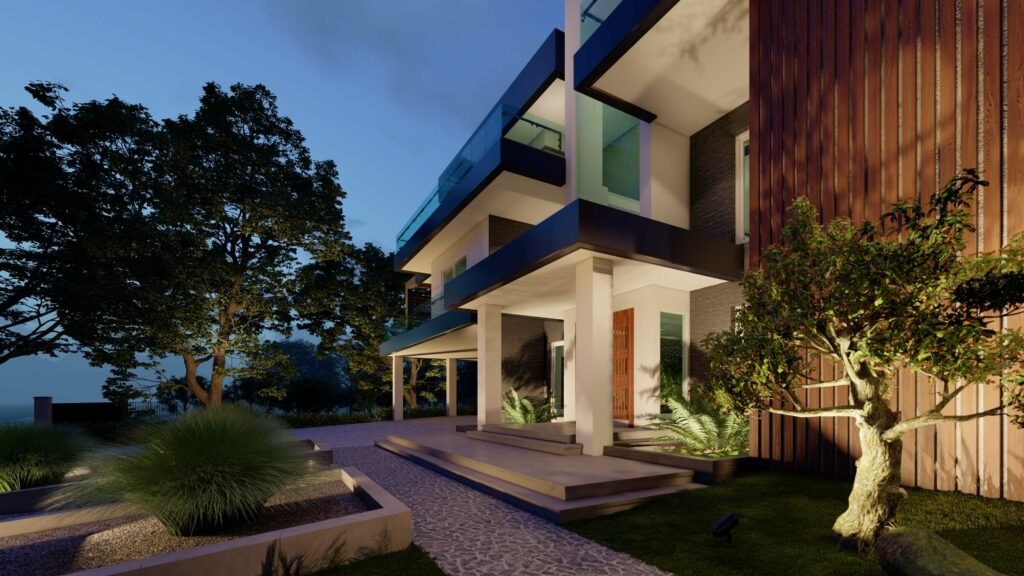
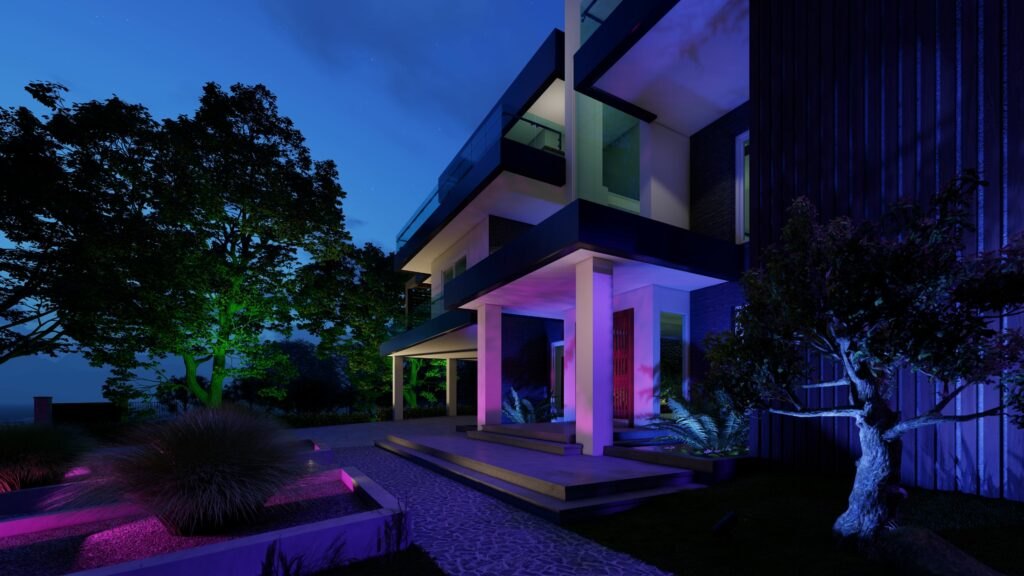
For more on the exterior system, see Regent5’s Ketra lighting design and installation guide, including Ketra Ready Coastal Source applications and outdoor gateway planning.
The strongest reason to specify Intelligent Lighting is not simply that a fixture can change color temperature. The value comes from integrating light, keypads, shades and scenes into a coordinated Lutron system.
With Lutron HomeWorks QSX, a single scene can coordinate multiple lighting zones with compatible motorized shades. A Morning scene might raise selected shades and move the lighting toward a brighter, more neutral setting. An Entertain scene can balance architectural light, decorative fixtures and artwork. An Evening scene can lower levels and shift the home warmer. Goodnight can simplify shutdown across selected areas.
The homeowner should not have to manage those decisions fixture by fixture. The keypad becomes the interface to a much deeper lighting design.
On a design-led residence, the visible control belongs on the same material schedule as door hardware, plumbing trim and decorative lighting. The keypad also needs to be programmed around the actual lighting scenes, not added at the end as a bank of generic buttons.
Regent5 coordinates HomeWorks controls including Palladiom, Alisse, Aviena and Sunnata, as well as appropriately engineered MELJAC switching for projects that want bespoke hardware. See our Lutron keypad and finish guide for the current control families and installation considerations.
One of the most important changes in Lutron’s lighting strategy is Native by Design, a partnership program that integrates Lutron Intelligent Lighting technology directly into selected decorative, architectural and specialty products.
Current lighting partners include Cerno, Coastal Source, David Trubridge, Matthew McCormick Studio, MerlinLight, Niche, Stephen Pikus Design, Ted Bradley Studio, Uplight Group and Vibia. These partnerships extend Lutron technology into statement pendants, sculptural fixtures, exterior lighting, art projectors and other forms that allow the decorative fixture and the lighting-control system to be considered together.
For architects and interior designers, this is especially useful because it reduces the old separation between “architectural lighting” and “decorative lighting.” A pendant or sculpture can participate in the same intelligent-lighting strategy instead of becoming an isolated fixture with unrelated color and dimming behavior.
1. Lighting family by room and application. Decide where Ketra, Rania and Lumaris belong before finalizing the fixture schedule. Do not wait until the electrician is already ordering standard LED trims.
2. Fixture form factor, trim and beam strategy. Fixed downlights, adjustable accents, wall wash, track, lamps and linear details solve different problems. Artwork, ceilings, millwork and furniture plans should inform the beam, trim and aiming strategy.
3. Control architecture. Confirm whether the residence is HomeWorks or RadioRA 3, where processors and system equipment will live, and how the lighting family communicates with the system.
4. Keypad and scene plan. Define how the homeowner will use the rooms. A scene-based control design is more elegant than exposing every lighting zone as a separate daily decision.
5. Shade integration. Daylight and electric light should be planned together. Motorized shades can reduce glare, protect interiors and change the amount of daylight entering the room while the electric lighting adjusts around it.
6. Service and access. Drivers, power supplies, gateways, interfaces and other equipment need accessible, documented locations. A beautiful ceiling is not a reason to bury serviceable equipment where it cannot be reached later.
Regent5’s residential technology preconstruction and low-voltage engineering process is designed to bring these decisions into the architectural and electrical documentation before they become expensive field changes.
We recommend reviewing the intelligent-lighting strategy during design development, not after decorative fixtures have been purchased. The architect, interior designer, lighting designer, electrician and integrator should have a common schedule showing fixture family, trim, beam, color capability, control method and room use.
For the interior designer, this is also the right time to coordinate keypad metals, decorative lighting, cabinet lighting, art lighting and shade fabrics. For the architect, it is the point to resolve ceiling apertures, housing depth, access panels, niches and reflected-ceiling details. For the builder, it allows procurement and rough-in to follow a coordinated plan rather than a series of late product substitutions.
Our lighting and shading coordination guide for interior designers explains how those visible and technical decisions fit together.
If you are deciding between Ketra, Rania and Lumaris, the best next step is to see them in person. Regent5’s showroom and design center includes the dedicated Office and Lounge lighting environments described above, with all three Lutron Intelligent Lighting families available for side-by-side comparison on HomeWorks QSX.
Bring drawings if the project is already in design, or bring finish samples if the question is about color rendering. We can move the rooms through warm evening light, daylight-matched white, art-focused scenes and full-color Ketra effects so the design team can decide where each family earns its place. Contact Regent5 to schedule a lighting demonstration or project consultation.
Regent5 designs, engineers, installs and programs Lutron lighting and control systems for custom residential projects throughout the San Francisco Bay Area and Northern California. Our work includes San Francisco, Atherton, Woodside, Portola Valley, Hillsborough, Menlo Park, Palo Alto, Los Altos Hills, San Jose, Saratoga, Los Gatos, Marin, Napa and Sonoma, and Carmel and Pebble Beach.
Select project coverage extends through Santa Barbara, Los Angeles and Orange County.
For a new residence, major renovation or lighting-system upgrade, we can coordinate the Lutron lighting family with HomeWorks, keypads, motorized shades, electrical scope, architectural lighting, decorative fixtures and commissioning. See our services and regional coverage or schedule a lighting-design consultation.
Ketra provides the broadest range and the most advanced color capabilities, including 1,400K–10,000K white light, full color, Vibrancy and Color Lock. Rania focuses on natural white light from 1,800K–5,500K without the full Ketra color palette. Lumaris offers 1,800K–4,000K tunable white and warm dim, with RGB + tunable-white tape-light options.
It is better to think of Rania as a different design tool. Rania uses technology derived from Ketra’s color-mixing approach but focuses on natural white light rather than Ketra’s full-color capability, Vibrancy and Color Lock. The choice should follow the room and lighting goals, not only the equipment budget.
Yes. The current two-inch D2 family is offered with both Ketra and Rania light engines across new-construction and remodel-oriented configurations, with fixed, adjustable and wall-wash choices. That makes it possible to use Ketra selectively and Rania more broadly while maintaining a coordinated ceiling language. Exact trims, optics and housings should be confirmed for each model.
Yes. Lumaris is compatible with HomeWorks and RadioRA 3 in residential applications. Ketra and Rania are paired with HomeWorks in Lutron’s current residential portfolio.
Yes. Ketra Vibrancy changes the spectral mix used to render colors while the perceived color of the white light can remain consistent. This allows a lighting designer to emphasize color in artwork and furnishings without simply selecting a red, blue or green scene.
Lutron now supports its Natural Show experience across Ketra, Rania and Lumaris. The exact scenes and schedule should be commissioned for the project rather than assumed from a default setting.
No. Many large homes benefit from a layered specification. The important part is to define where each family belongs and avoid accidental mismatches between adjacent lighting layers that are expected to look identical.
Regent5’s San Carlos design center has two dedicated lighting rooms: a furnished Lounge that simulates a living and family room, and a clean Office environment. Ketra, Rania and Lumaris are installed in both on Lutron HomeWorks QSX so homeowners and design teams can compare the sources side by side before specifying a project.
During design development, before electrical rough-in and final fixture procurement. Early coordination gives the design team time to resolve fixture types, ceiling conditions, control architecture, keypad locations, shade integration and equipment access before finishes are installed.
1. Lutron Intelligent Lighting portfolio.
2. Lutron Ketra.
3. Lutron Rania.
4. Lutron Lumaris.
5. Lutron downlights and D2 lighting.
6. Ketra D2 Fixed New Construction Downlight.
7. Rania D2 Adjustable Remodeler Downlight.
8. Lutron tape and linear lighting.
9. Lutron lamps and track lighting.
10. Lutron Native by Design.
All product names and manufacturer photography belong to their respective owners. Final product selection, compatibility, availability and installation requirements are subject to current manufacturer documentation and project-specific review.


.svg)

© 2024 Regent5, LLC. CSLB C10 & C7 License 1033103.