
September 18, 2026
Tesla Powerwall and FranklinWH are two of the most visible names in residential battery storage, but choosing between them for a luxury Bay Area residence is not a matter of asking which brand is “better.” The correct choice depends on the electrical architecture of the property, the solar design, generator strategy, peak loads, outage objectives, number of structures, available equipment locations, homeowner preferences, and the way the system will be serviced over time.
That distinction becomes especially important on high-end homes and estates in Atherton, Woodside, Palo Alto, Hillsborough, Los Altos Hills, and San Francisco. These properties often have electrical demands far beyond a conventional house: multiple HVAC systems, pools and spas, EV charging, wine storage, gates, pumps, security infrastructure, extensive lighting, AV, automation, detached structures, and sometimes elevators or specialty mechanical systems. A battery that looks substantial on a residential spec sheet can be only one piece of the overall power strategy.
Regent5 approaches storage selection as an engineering decision inside a broader solar, battery and generator microgrid design. The objective is not to install the most fashionable battery. It is to create a resilient power system that behaves predictably, fits the architecture, and supports the actual estate.
The first useful question is how much power the property consumes and which loads matter during an outage. Battery systems are rated both by stored energy, typically expressed in kilowatt-hours, and by power output, expressed in kilowatts. Those are different constraints.
A house may have enough stored energy to operate essential loads for many hours but still need more inverter output to start or run multiple large compressors simultaneously. Conversely, a system may have strong instantaneous power capability but insufficient stored energy for the outage duration the homeowner expects.
For a large residence, Regent5 typically evaluates historical utility data where available, panel schedules, mechanical loads, EV charging, pool equipment, solar production, critical systems, and expected future electrification. The result is a load model that helps determine how much storage, output, load management, and generation are actually useful.

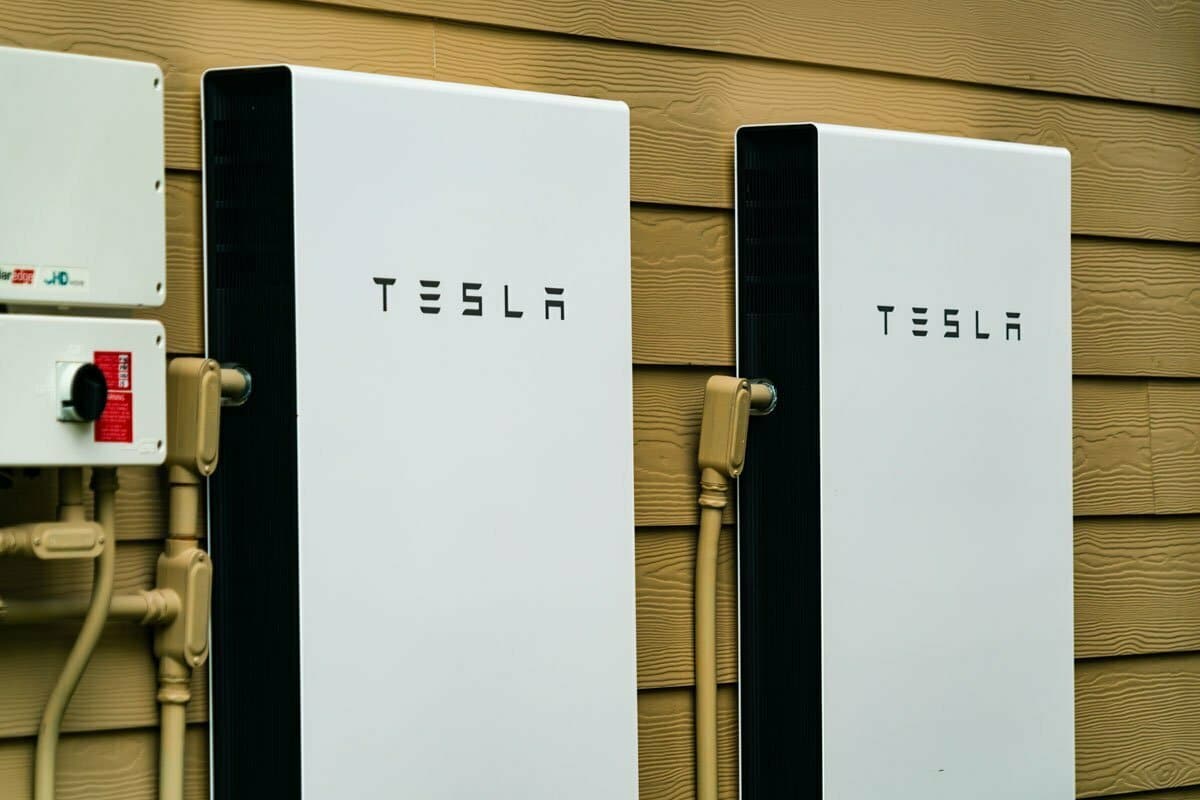
Tesla currently specifies Powerwall 3 at 13.5 kWh of nominal battery energy per unit. In its U.S. configuration, Tesla lists up to 11.5 kW of continuous on-grid power output per unit, along with integrated solar-inverter capability. Tesla also publishes motor-start capability and system-scaling information, which matter when engineers evaluate HVAC compressors, pumps, and other loads with significant starting current.
The integrated solar inverter can simplify certain solar-plus-storage designs by reducing the number of separate power-conversion devices. For new systems, that can make Powerwall 3 attractive when solar and storage are being designed together from the beginning.
Tesla also offers software features such as time-based control, backup reserve, and Storm Watch. Those features can be useful, but they do not replace electrical engineering. A large estate still needs a clear definition of which loads are backed up, how the system islands, what happens when battery state of charge is low, and how solar, generator, EV charging, and smart load management interact.
FranklinWH’s current aPower 2 is specified at 15 kWh of usable energy and 10 kW of continuous output per battery. FranklinWH combines the battery with its aGate energy-management hardware, creating an architecture designed around coordinating grid power, solar, storage, and supported backup sources.
That structure can be attractive on projects where the energy-management gateway is central to the design and where engineers want flexibility around different generation and storage components. As with Tesla, the value depends on the actual configuration rather than the logo on the enclosure.
On an estate-scale project, the questions include how many batteries are required, how the system handles large loads, whether a generator is part of the design, what transfer equipment is supported, and what happens if the property includes multiple services or detached structures.
It is tempting to compare 13.5 kWh with 15 kWh and stop there. That is not how a resilient-power system should be designed.
A homeowner may care more about keeping a selected HVAC zone, refrigeration, security, network equipment, gates, and a wine cellar operational than about achieving a specific battery-capacity number. Another client may want enough capacity to operate most of the house silently overnight before a generator starts. A third may want to maximize self-consumption of solar and reduce grid use during expensive rate periods.
Those are different design goals. The right battery count and system architecture should be modeled around the goals rather than derived from a generic “whole-home backup” package.
Large homes can have loads that are not common in ordinary residential installations: several air-conditioning compressors, large variable-speed pool pumps, induction ranges, electric ovens, elevators, domestic water pumps, heat pumps, multiple EV chargers, saunas, steam systems, and extensive outdoor infrastructure.
Some of those loads can be deferred during an outage. Others cannot. An engineered system should account for both continuous power and starting requirements, then use load management where appropriate so the property does not demand every heavy load at the same moment.
This is one reason Regent5 frequently pairs battery design with Savant Power, SPAN, and circuit-level energy management. Intelligent load control can make stored energy more useful by prioritizing what matters instead of treating every breaker identically.
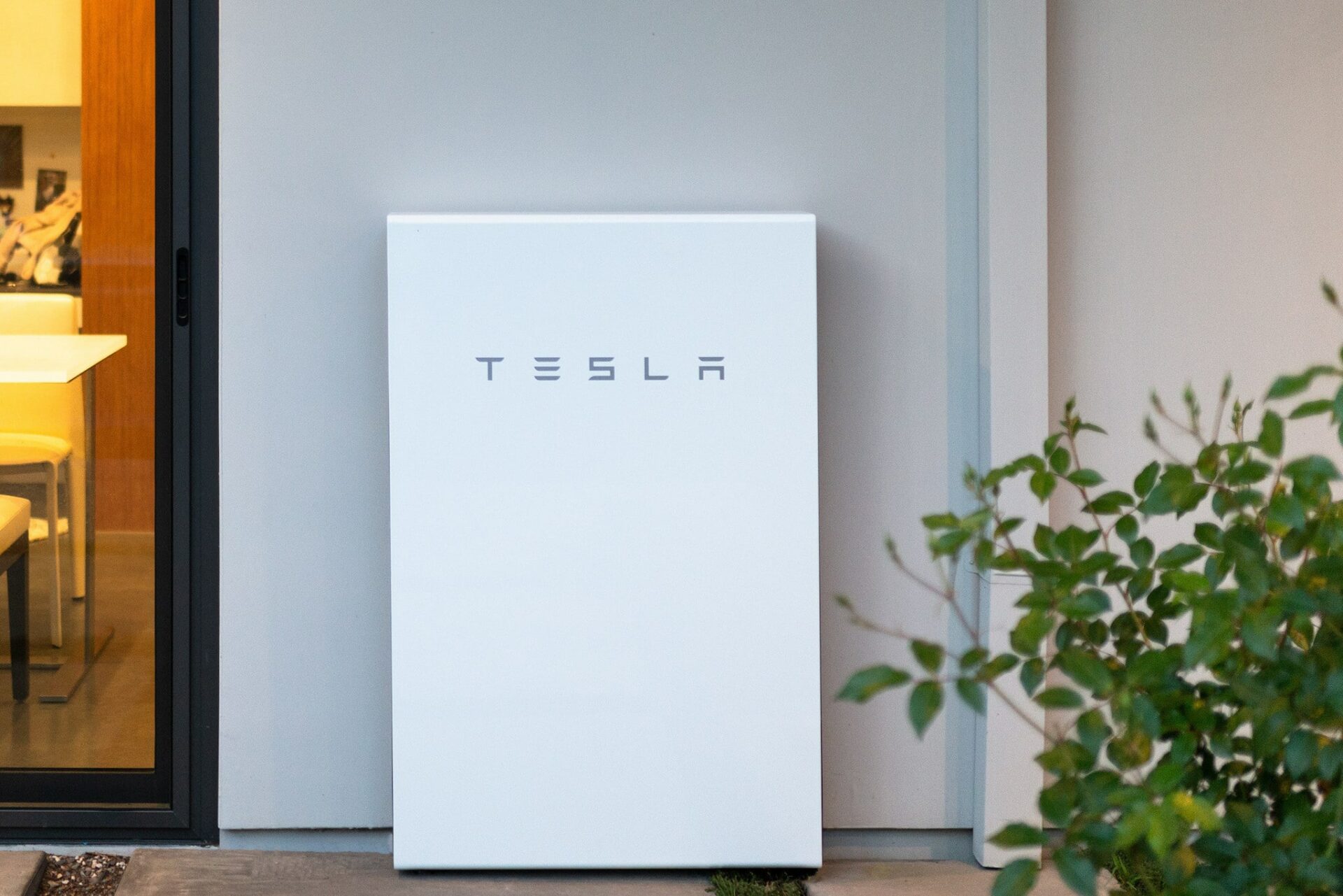
Both Tesla and FranklinWH can be used as part of solar-plus-storage systems, but the design approach can differ. Powerwall 3 includes a solar inverter, which can be advantageous when the solar array is being designed around the Tesla architecture. FranklinWH can integrate with supported solar configurations through its broader energy-management architecture.
For high-end architecture, the solar array itself may be constrained by aesthetics. Mature trees, complex roof forms, slate or specialty roofing, historic facades, view corridors, and landscape design can reduce the amount of visually acceptable roof area. Sometimes detached structures, carports, or less visible roof planes become part of the solar strategy.
That means battery sizing should not assume unlimited solar replenishment. Engineers should estimate realistic production and understand how the property behaves during several days of poor weather or a prolonged outage.
Many Peninsula estates already have standby generators, and some homeowners want new storage to work alongside them. This is a particularly important area to engineer carefully because generator compatibility is not universal across all battery products and all transfer configurations.
A generator can provide long-duration energy when batteries are depleted and solar production is insufficient. The battery can provide quiet stored power and handle short interruptions. Together, they can form a strong resilience strategy—but only when the equipment is configured in a manufacturer-supported way with an intentional operating sequence.
Regent5 does not recommend assuming that any existing generator can simply be connected to any new battery. Generator size, transfer equipment, neutral configuration, controls, charging behavior, and supported integration methods all need review.
On a large estate, adding battery modules is one way to increase backup capability. Another is to reduce unnecessary demand when the grid is down.
Smart load management can automatically pause or limit EV charging, pool heating, secondary HVAC zones, decorative outdoor loads, or unoccupied structures while preserving higher-priority systems. That can extend the useful duration of the same battery bank and reduce the peak power the backup system must support.
For example, there may be little benefit in powering a 48-amp EV charger during a nighttime outage if the vehicle is already adequately charged. The same energy may be more valuable preserving refrigeration, lighting, security, networking, and selected climate control until morning solar production returns.
Battery storage is often discussed separately from the rest of the electrical system. On a high-end residence, it should be part of the same plan.
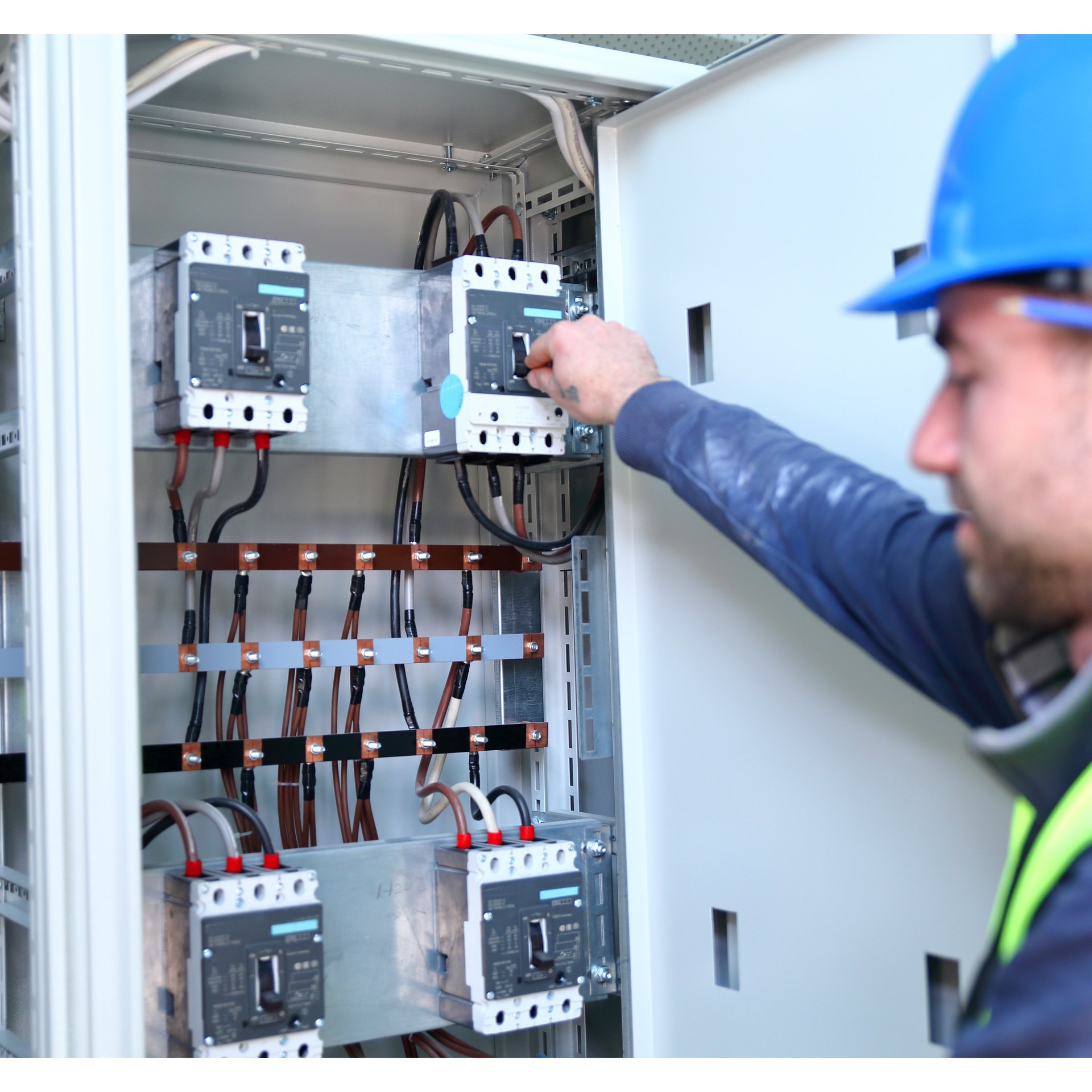
New EVs, heat pumps, electric water heating, induction cooking, pool equipment, guest structures, and future additions can materially change the service load. A battery project is therefore a good time to evaluate the condition and capacity of the service, main distribution, subpanels, grounding, raceways, and available equipment space.
Regent5’s C-10 electrical and engineering team can coordinate storage with the broader electrical infrastructure instead of treating it as an isolated add-on.
Battery systems require compliant locations, working clearances, environmental conditions, and access for installation and service. On an Atherton estate with generous grounds, the challenge may be screening a utility area without compromising ventilation or service access. On a San Francisco residence, the challenge may simply be finding enough compliant wall area in a dense building.
The aesthetic goal is usually to keep energy infrastructure visually quiet. That may involve a dedicated utility court, garage wall, screened mechanical area, or coordinated exterior enclosure. Architects and landscape architects should know the equipment dimensions and clearance requirements before finalizing those spaces.
Batteries are generally quiet compared with engine-driven generators, which can make them attractive for nighttime backup and dense neighborhoods. But a battery-only strategy may become expensive if the homeowner expects full-estate operation through long multi-day outages.
A hybrid design can allow batteries to carry the home quietly for periods when noise matters most, with a generator used later for extended continuity. The correct sequence depends on the equipment and operating objectives.
Luxury-home infrastructure should be designed for a service life measured in years, not around the excitement of installation day. The project team should consider manufacturer support, installer access, monitoring, replacement procedures, firmware, account ownership, and documentation.
The homeowner should also understand who controls the system account and who will be able to service the equipment if the original installer changes. Regent5 documents systems and integrates energy equipment into the broader estate service plan so the battery installation does not become an isolated black box.
Battery selection and smart-panel selection are related but separate decisions. SPAN provides circuit-level monitoring and control in a smart-panel architecture, including backup priorities when configured with compatible energy systems. Savant Power offers circuit-level management integrated into the Savant ecosystem and can create off-grid behaviors based on selected loads.
Either can be useful when the project needs dynamic load shedding, better energy visibility, or more flexible backup prioritization. The right choice depends on the home automation platform, electrical layout, battery system, and desired user experience.
For homeowners already using Tesla vehicles, solar, or energy products, a unified ecosystem can be appealing. A familiar app and tightly coordinated hardware can reduce friction. But ecosystem simplicity should still be weighed against the electrical and architectural requirements of the property.
A product that integrates beautifully in software is not automatically the best fit if the physical installation, power requirements, generator strategy, or multi-building topology do not match the estate.
FranklinWH’s architecture can appeal to project teams that want a whole-home energy system designed around its gateway and storage platform. Again, the correct decision is project-specific. Engineers should verify current compatibility, supported generator and solar configurations, local permitting requirements, and service arrangements at the time of design because product capabilities evolve.
Battery storage, solar, service upgrades, generators, and related electrical work can involve local permitting, utility review, interconnection, fire-code requirements, equipment-location rules, and inspections. Requirements vary by jurisdiction and by project scope.
For architects and builders, this means the energy system should not be left until the end of construction. Equipment locations, utility coordination, one-lines, panel schedules, and permit requirements can affect the project schedule and should be resolved alongside the rest of the electrical design.
Tesla Powerwall 3 and FranklinWH are both serious residential storage platforms. The meaningful comparison is not a simple winner-and-loser chart. It is whether the selected system matches the property’s solar design, peak loads, outage duration, generator strategy, load-management platform, available space, aesthetics, service model, and future electrification.
For many Bay Area luxury homes, the answer may involve multiple batteries, smart circuit management, solar, and a standby generator rather than relying on one product to solve every resilience problem by itself.
Regent5 designs luxury residential microgrids, smart-panel and circuit-level energy management, and integrated electrical infrastructure for custom homes and estates throughout San Francisco and the Peninsula. The battery brand matters. The engineering around it matters more.


.svg)

© 2024 Regent5, LLC. CSLB C10 & C7 License 1033103.