
September 16, 2026
A site visit is where a real proposal gets built, and knowing what to expect makes it more useful for both sides. It's also usually shorter and less formal than people expect: for a typical single-property visit, plan on one to two hours on-site, longer for a large estate with multiple structures.

It helps to have a rough idea of priorities before anyone arrives: which rooms or systems matter most, whether backup power or energy monitoring is a concern, and any existing equipment that needs to be evaluated for reuse versus replacement. If the property has architectural plans, especially for new construction or a major remodel, having them available lets the conversation move past guessing at square footage and room counts and straight into panel locations and cable paths.
For an existing house, that means walking the electrical panel and evaluating capacity for the intended scope, tracing existing low-voltage infrastructure to see what can be reused, checking WiFi coverage and identifying dead zones tied to construction materials or terrain, and looking at how far it is from the main house to any guest house, barn, or gate that needs coverage. Hillside and heavily wooded properties in particular tend to have WiFi dead zones that aren't obvious from inside the house but show up clearly once we walk the actual terrain with a signal reader. For new construction, it means reviewing the plan set directly: panel and rack locations, keypad and touchscreen placement, and where structured cabling needs to run before drywall closes the option off.

If the property already has a Lutron, Savant, Control4, or other system installed by someone else, the visit includes documenting what is actually there: model numbers, condition, and what admin access currently exists, since that determines whether the immediate next step is re-commissioning existing hardware or planning a fuller upgrade. This is also when we photograph panel labels and processor model numbers, since that documentation often doesn't exist anywhere else once the original installer is out of the picture.
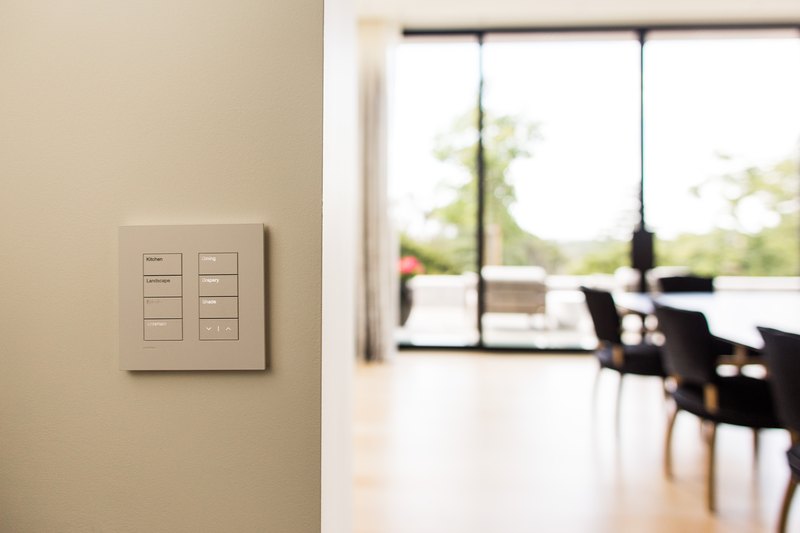
A scoped proposal follows, specifying actual equipment by model number rather than just a brand name, a realistic timeline based on the scope discussed, and a clear breakdown of what is included. For estate and VIP clients, this is also when ongoing service expectations get set, including response-time commitments for future support, so there's no ambiguity later about what service actually means for that property.
A site visit is not a sales pitch for one specific platform regardless of fit. Part of the visit is an honest conversation about which platform, or which combination of platforms, actually matches the property and how the household lives in it, including a direct answer if a client's initial platform preference isn't the best technical fit for what we find on-site.
For clients still deciding between platforms or lighting sources, the site visit is often paired with a follow-up trip to Regent5's design center, where Ketra, Rania, and Lumaris run side by side in two dedicated demonstration environments. Seeing how a light source actually behaves in a furnished Lounge and a working Office is a different experience than reading about color rendering on a spec sheet. Our Ketra, Rania and Lumaris guide explains the product differences before that visit.


.svg)

© 2024 Regent5, LLC. CSLB C10 & C7 License 1033103.