

Regent5 designs estate-scale microgrids that coordinate solar generation, Tesla Powerwall or FranklinWH battery storage, standby generators, UPS, intelligent load management and electrical distribution around the loads the property must sustain during short outages, extended outages and PSPS events.
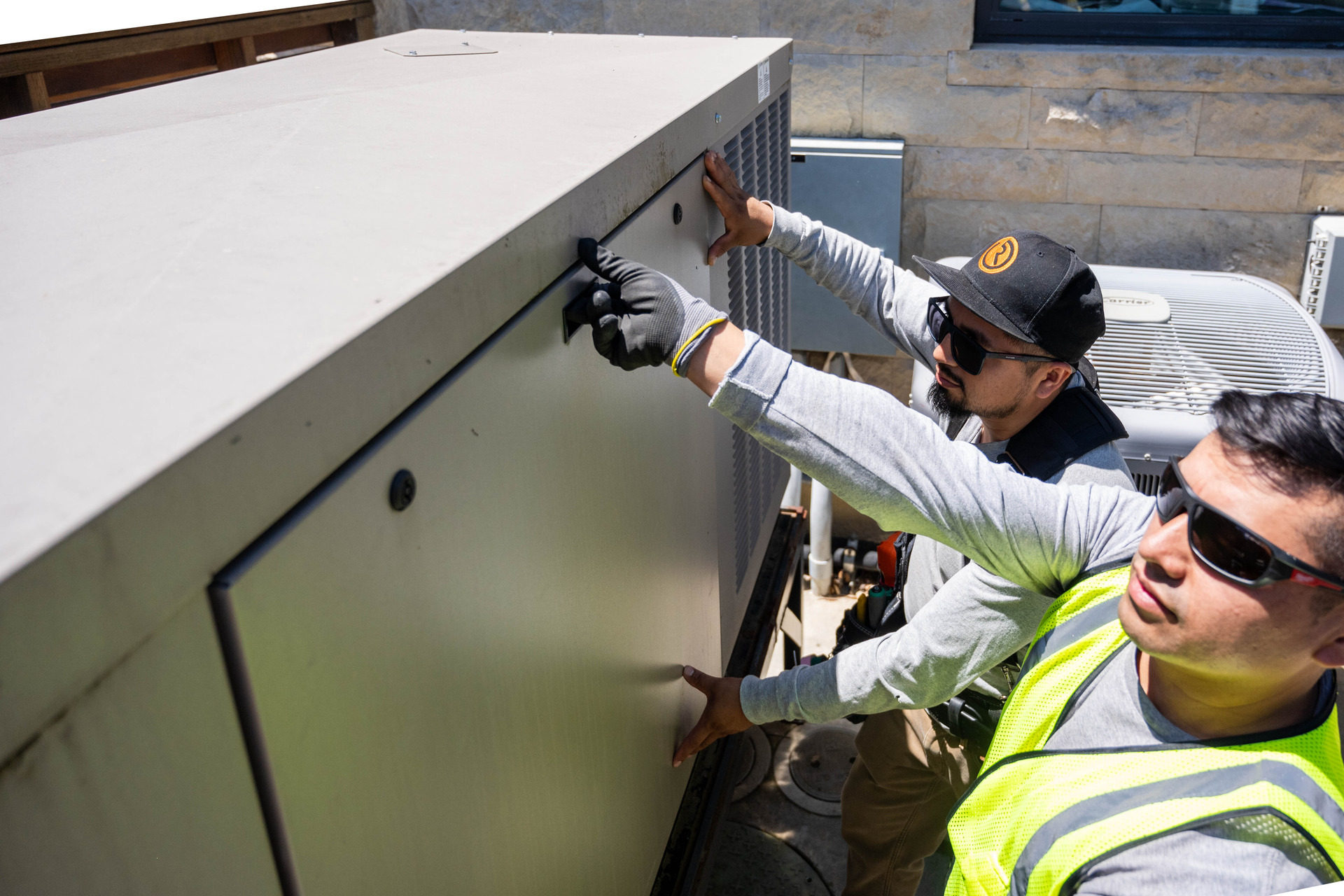
A residential microgrid coordinates utility service with on-site generation, storage and controlled loads so prioritized parts of the property can continue operating during an outage. The design starts with load analysis, backup priorities, transfer strategy, distribution and operating logic, not with a shopping list of products.
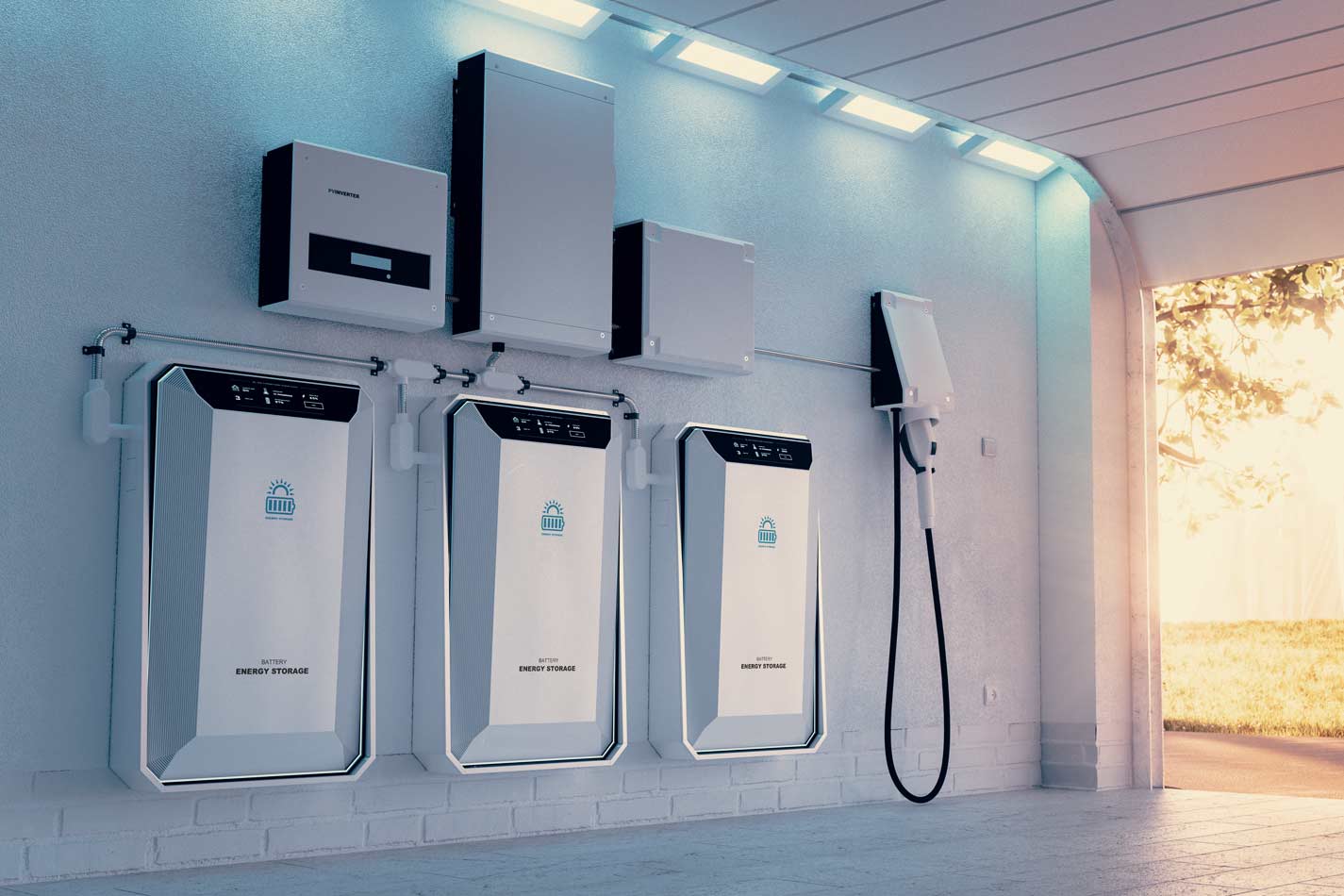
Solar should be coordinated with the service, battery system, backup strategy, roof or site conditions, future EV charging and major mechanical loads. On custom homes, early planning also protects equipment locations, conduit paths, architectural screening and space for future expansion.
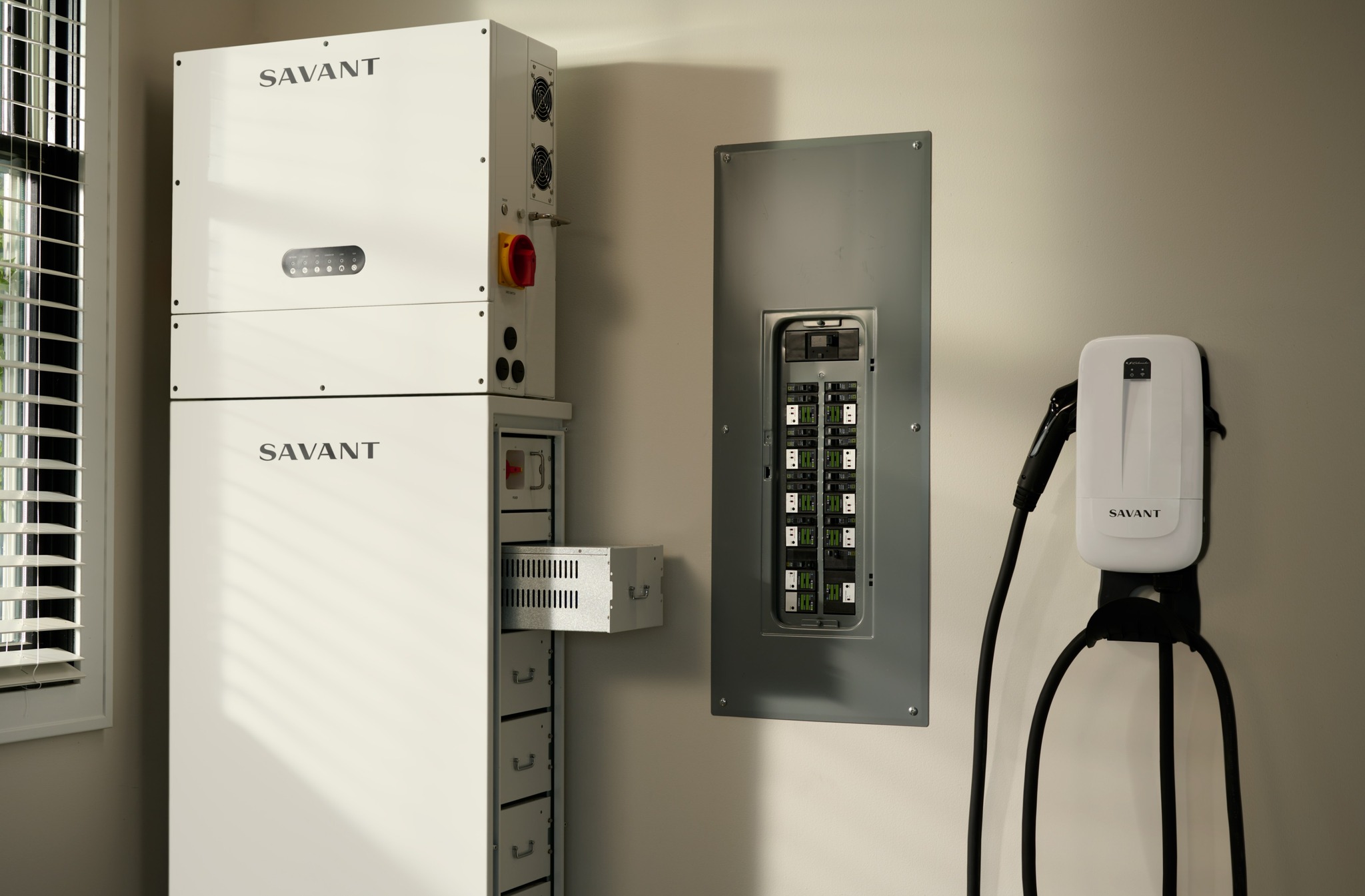
Battery capacity is sized around the property's real load profile, desired runtime, solar production, equipment space and critical-load priorities. Regent5 integrates confirmed platforms including Tesla Powerwall 3, FranklinWH aPower 2 and Savant Power Storage where they fit the project. UPS systems can protect sensitive electronics and bridge selected loads while the larger backup architecture responds.
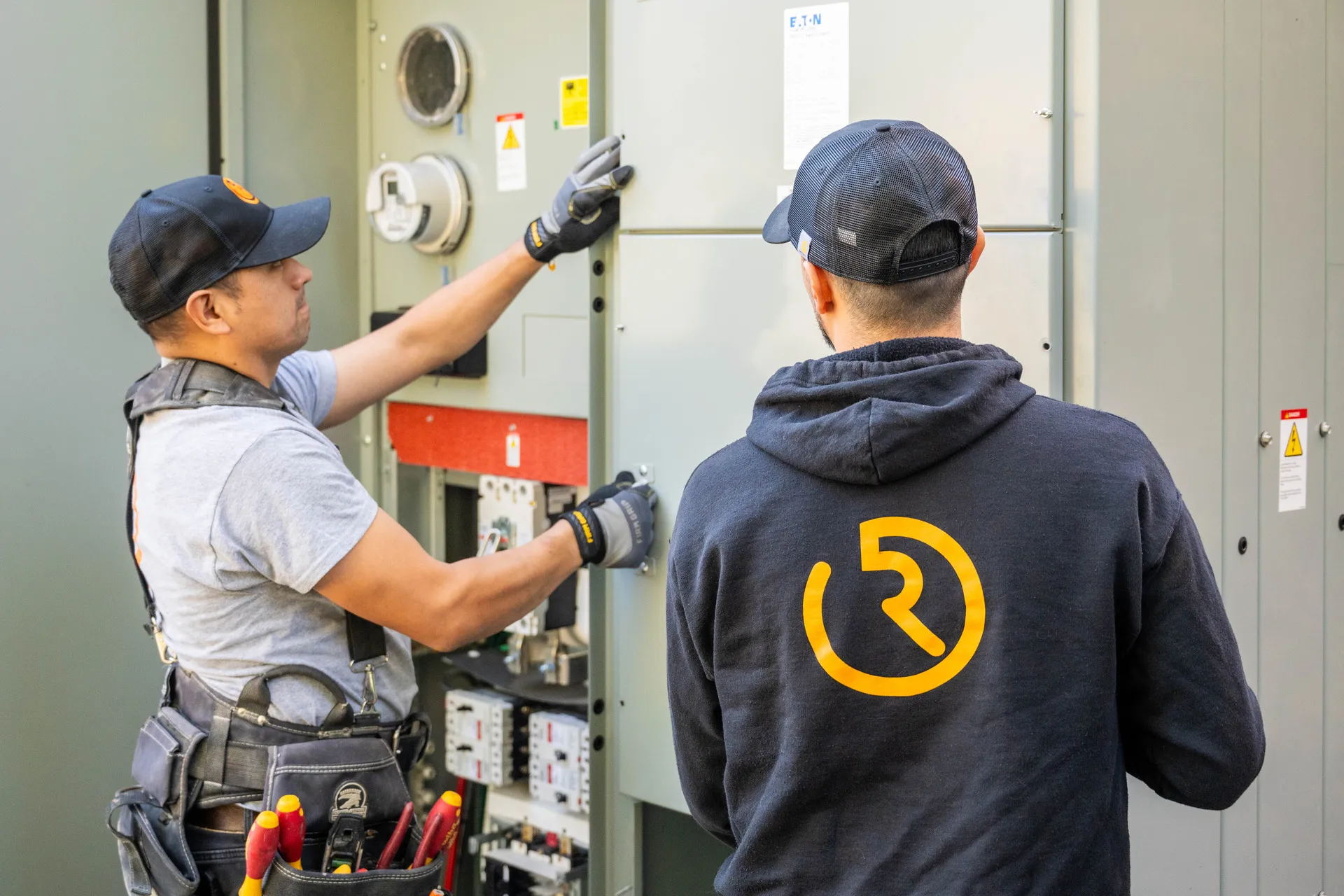
A standby generator can provide the endurance layer that finite batteries cannot. Generator capacity, transfer equipment, fuel, ventilation, sound, service access and architectural screening are planned together with the battery and critical-load strategy.
.jpg)
A resilient estate needs an operating strategy, not disconnected devices. Compatible controls can coordinate battery state, generator operation, solar production, EV charging and controllable loads while preserving the dedicated safety and protection functions of the electrical system.
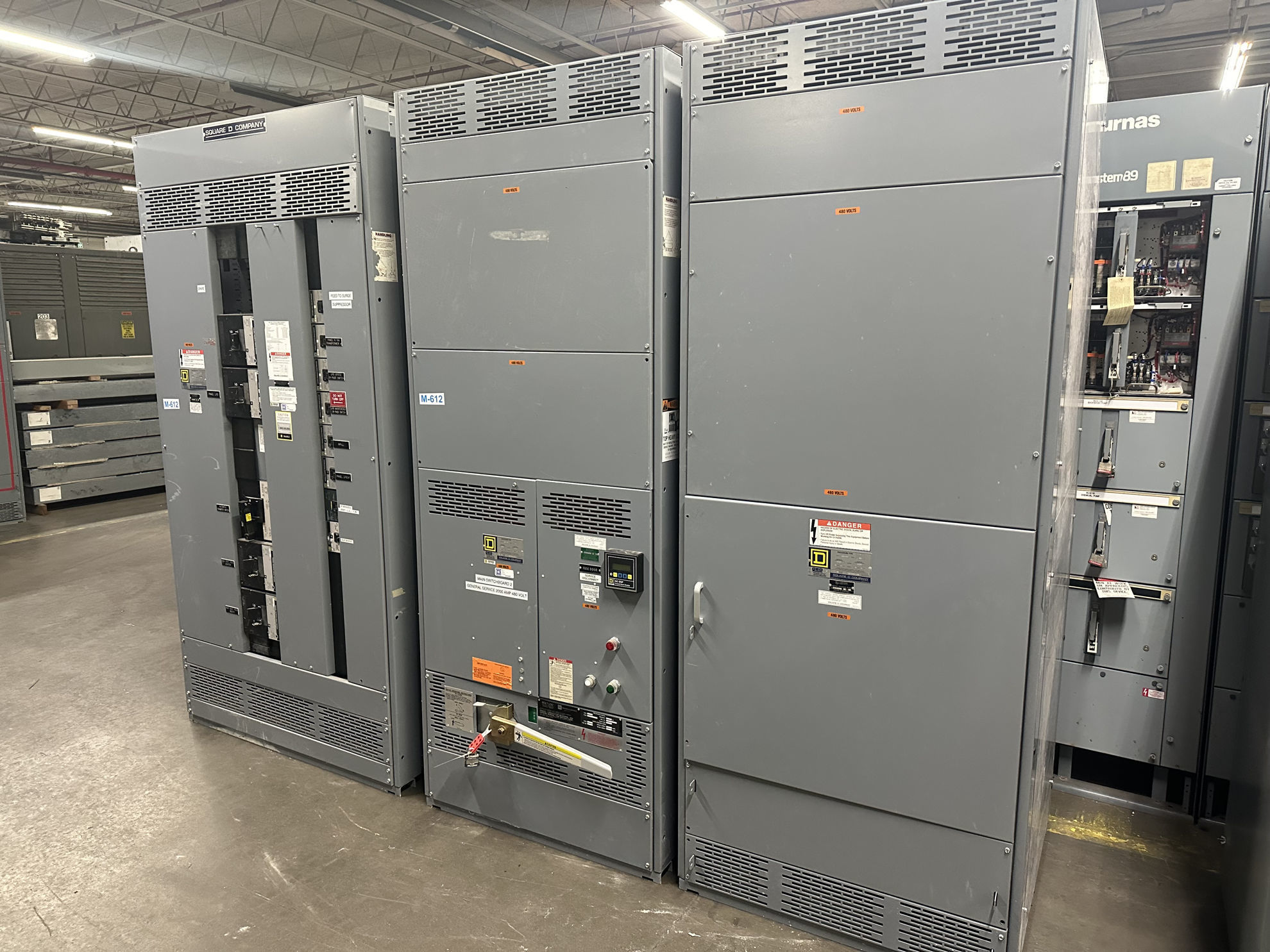
Service capacity, load calculations, switchgear, transfer equipment, critical-load panels, protection and future electrification determine what the microgrid can actually do. Solar, batteries, generators and EV charging are coordinated around that electrical architecture from the beginning.
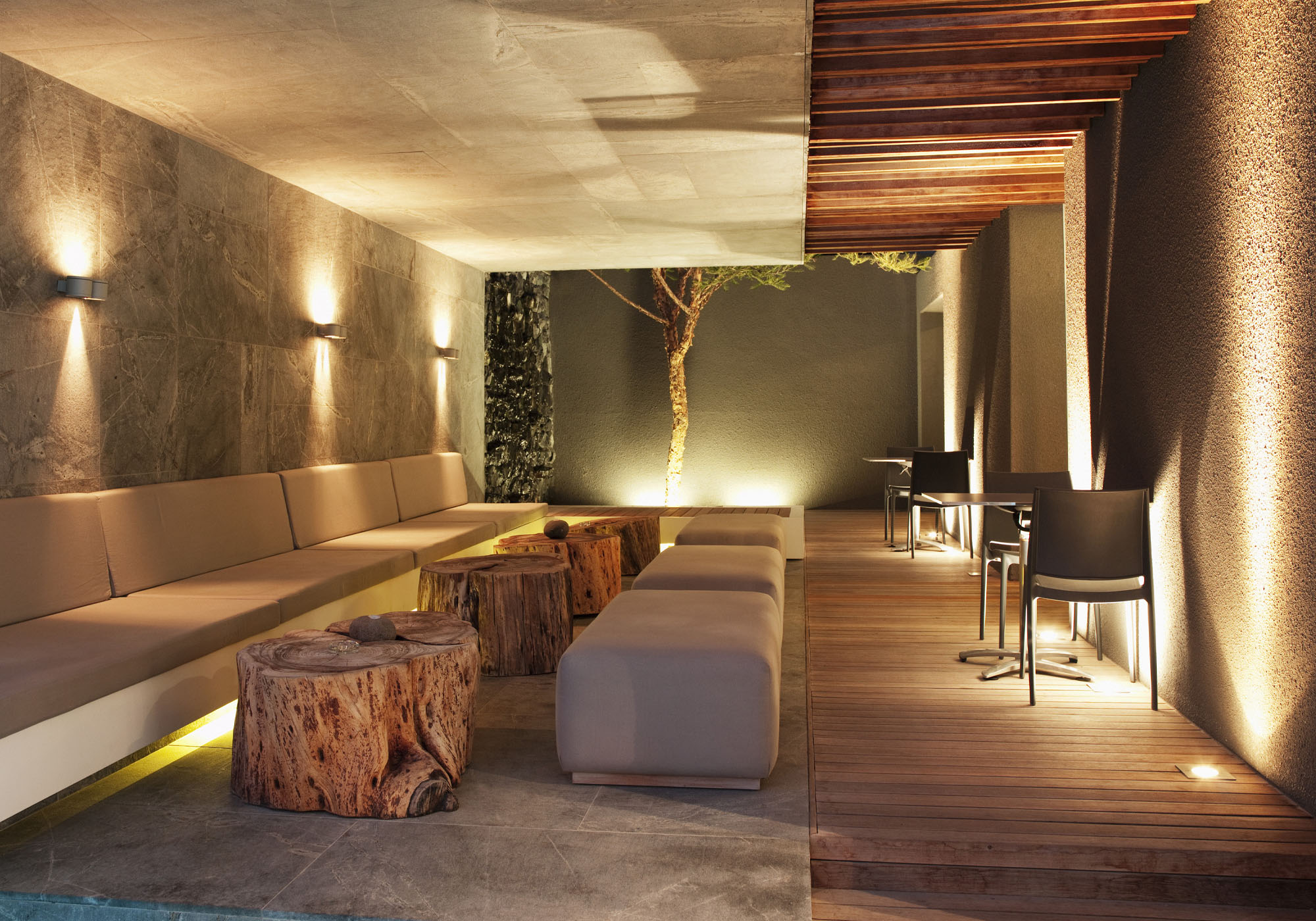
The goal is a property that transitions through an outage quietly and predictably: refrigeration, networking, security, gates, selected lighting, pumps and other priorities remain available while discretionary loads are managed. That behavior is designed and tested before the first real outage.
Estate-scale resilience is an electrical architecture, not a single product. Regent5 coordinates sources, storage, transfer equipment, distribution and controlled loads around the property’s actual outage priorities.
Critical and discretionary loads identified before batteries, generators and transfer equipment are sized.
Solar coordinated with service capacity, storage, utility interconnection and future property loads.
Storage sized around usable capacity, peak power, desired runtime and the loads that must stay available.
Generator capacity, transfer equipment, fuel, ventilation and site requirements coordinated with the backup strategy.
Transfer and isolation behavior planned so supported loads can operate safely when utility power is unavailable.
Panels and distribution organized around refrigeration, networking, security, gates, pumps, lighting and selected comfort loads.
Flexible loads staged, limited or shed to preserve backup capacity and keep total demand within operating limits.
EV charging treated as a controllable high-demand load within the service and backup-power strategy.
Sensitive electronics protected with appropriate UPS, surge protection and power-quality strategies.
Failover, load priorities, source transitions, monitoring and owner workflows tested before handoff.
Where we work.
Regent5 plans solar, battery, generator and microgrid systems for custom homes and estates throughout San Francisco, the Peninsula, South Bay, East Bay, Marin, Wine Country and the Monterey Peninsula. Select project coverage extends through Santa Barbara, Los Angeles and Orange County.
That depends on outage goals, available generation and storage, and which loads truly need to stay online. Many estates prioritize refrigeration, networking, security, gates, selected lighting, pumps and selected HVAC while managing larger discretionary loads.
Runtime depends on usable battery capacity, the loads being served, solar production during the outage and how aggressively the system manages discretionary loads. The property’s actual priorities should be modeled rather than relying on a generic number of backup hours.
Not necessarily. Battery systems can be designed around grid charging and backup operation, while solar can add on-site generation and help extend outage runtime when conditions allow.
Often that combination is worth evaluating. Batteries can provide fast, quiet backup and load management, while a generator can support longer outages when fuel is available. The systems should be engineered together so transfer, charging and load priorities do not conflict.
A residential microgrid coordinates multiple energy resources and loads so the property can manage power intelligently and, when designed for it, continue operating selected systems during a grid outage.
Sizing starts with the loads that must remain available, desired runtime, peak power requirements, service capacity, solar production and generator strategy. A larger battery bank is not automatically better if the distribution and critical-load plan are not designed around it.
Yes, selected large loads can be supported when the batteries, generator, transfer equipment and distribution are sized for them. The design should prioritize what must operate and manage loads that would consume backup capacity too quickly.
EV charging is a major controllable load. Charging can be coordinated with service capacity and load-management priorities so vehicles use available capacity without unnecessarily consuming critical backup energy during an outage.
Yes whenever both are in the project scope. Service sizing, switchgear, critical-load distribution, battery or generator interfaces, EV charging and future electrification affect one another and are easier to coordinate as one architecture.
Requirements depend on the system and jurisdiction. Regent5 coordinates the customer-side electrical design, permitting interfaces and applicable utility process for its project scope, while approvals remain with the serving utility and local authorities.
Often, yes. The existing service, panels, available space, major loads, transfer equipment and control requirements are evaluated first, then the resilience upgrade can be phased around infrastructure that remains useful.
Regent5 can design and implement the customer-side electrical and control scope for an integrated resilience project, including distribution, load management, battery or generator interfaces, coordination with solar or other project vendors, commissioning and long-term service.


.svg)

© 2026 Regent5, LLC. CSLB C10 & C7 License 1033103.