
September 18, 2026
Lutron RadioRA 3 occupies a useful middle ground: more capable and professionally programmable than a DIY lighting system, but far easier to retrofit into an existing home than a fully panelized lighting-control architecture.
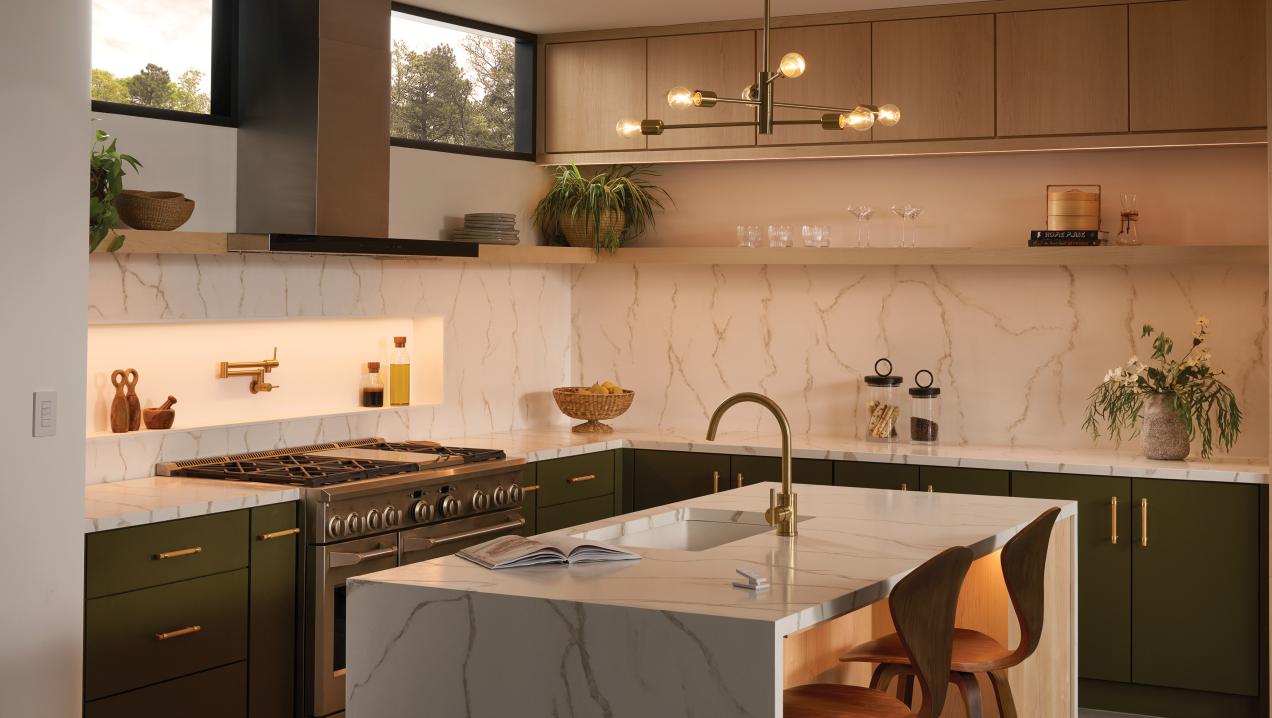
That makes it especially relevant for Bay Area renovations, existing homes with conventional wallbox wiring, and projects that want Lutron Sunnata controls, motorized shades and Lumaris Intelligent Lighting without rebuilding the electrical distribution around HomeWorks.
This is a current 2026 guide to what RadioRA 3 actually is, how Clear Connect Type X differs from Type A, how large the system can become, what lighting and shades it supports, and when Regent5 recommends stepping up to HomeWorks instead.
RadioRA 3 is Lutron’s professional wireless residential lighting-control system. It is programmed in Lutron Designer by a qualified professional and can coordinate dimmers, switches, keypads, sensors, compatible motorized shades and selected Intelligent Lighting products into whole-home scenes.
The word wireless can be misleading. RadioRA 3 does not mean the lights run over the home’s Wi-Fi. The processor connects to the home network for app, cloud and integration functions, while Lutron devices communicate over Lutron’s own Clear Connect RF technologies.

RadioRA 3 supports two Lutron wireless architectures. Clear Connect Type X is used by current Sunnata RF controls and Lumaris Intelligent Lighting. Type X uses a mesh topology: properly placed devices help create the communication fabric around the home.
Clear Connect Type A is the long-established Lutron RF architecture used by many Maestro, seeTouch, Pico, sensors, compatible shades and legacy RadioRA 2 devices. Type A relies on processor/repeater coverage rather than the Type X mesh rules.
This dual-protocol design is valuable when upgrading an existing RadioRA 2 home. A project can often preserve compatible Type A devices while adding newer Sunnata Type X controls rather than replacing every device simply to move to the current processor platform.
An older version of this article stated that RadioRA 3 was limited to 100 devices. That is no longer a useful description of the current platform.
Lutron’s current system guidance allows a RadioRA 3 system to scale to up to four processors and approximately 400 devices, subject to per-processor and Clear Connect Type X/Type A limits. Current documentation specifies up to 200 Type X and 200 Type A devices across a multi-processor system, with additional placement and range rules that must be followed during design.
The practical lesson is not simply “400 is better than 100.” A large RF system still needs proper processor locations, Type X mesh density, Type A repeater coverage and separation from potential RF interference. We map those constraints before promising that an estate can be handled by a given architecture.
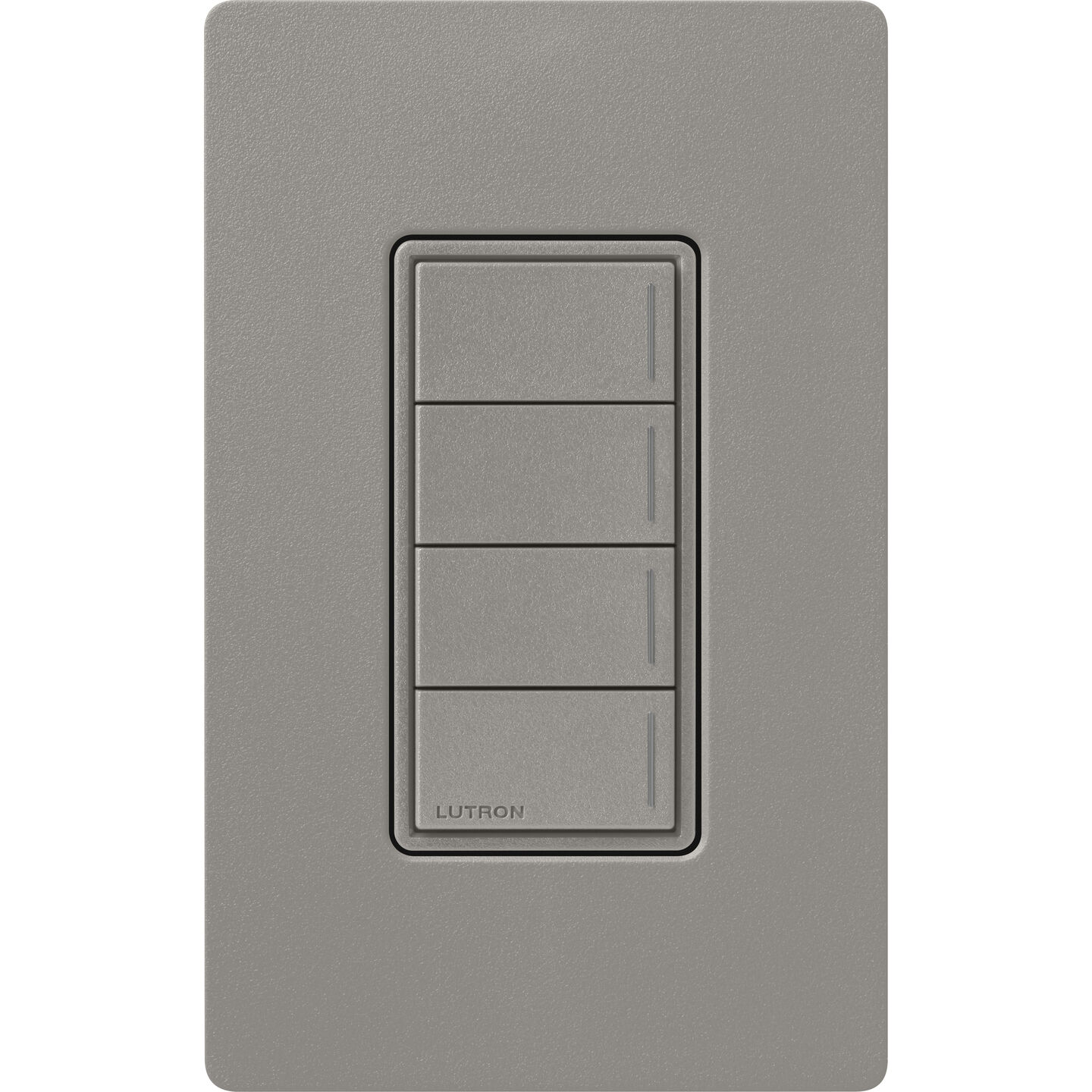
Sunnata RF is the current control family most closely associated with RadioRA 3. It includes dimmers, switches, fan controls and keypads with a contemporary paddle-style aesthetic. The keypads can be programmed around scenes rather than individual loads, which is where a whole-home system begins to feel different from a collection of smart switches.
A kitchen entry might present Welcome, Cook, Entertain and Off. A bedroom might use On, Relax, Goodnight and a shade command. Those labels should describe what a person wants to do, not how the electrician named the circuits.
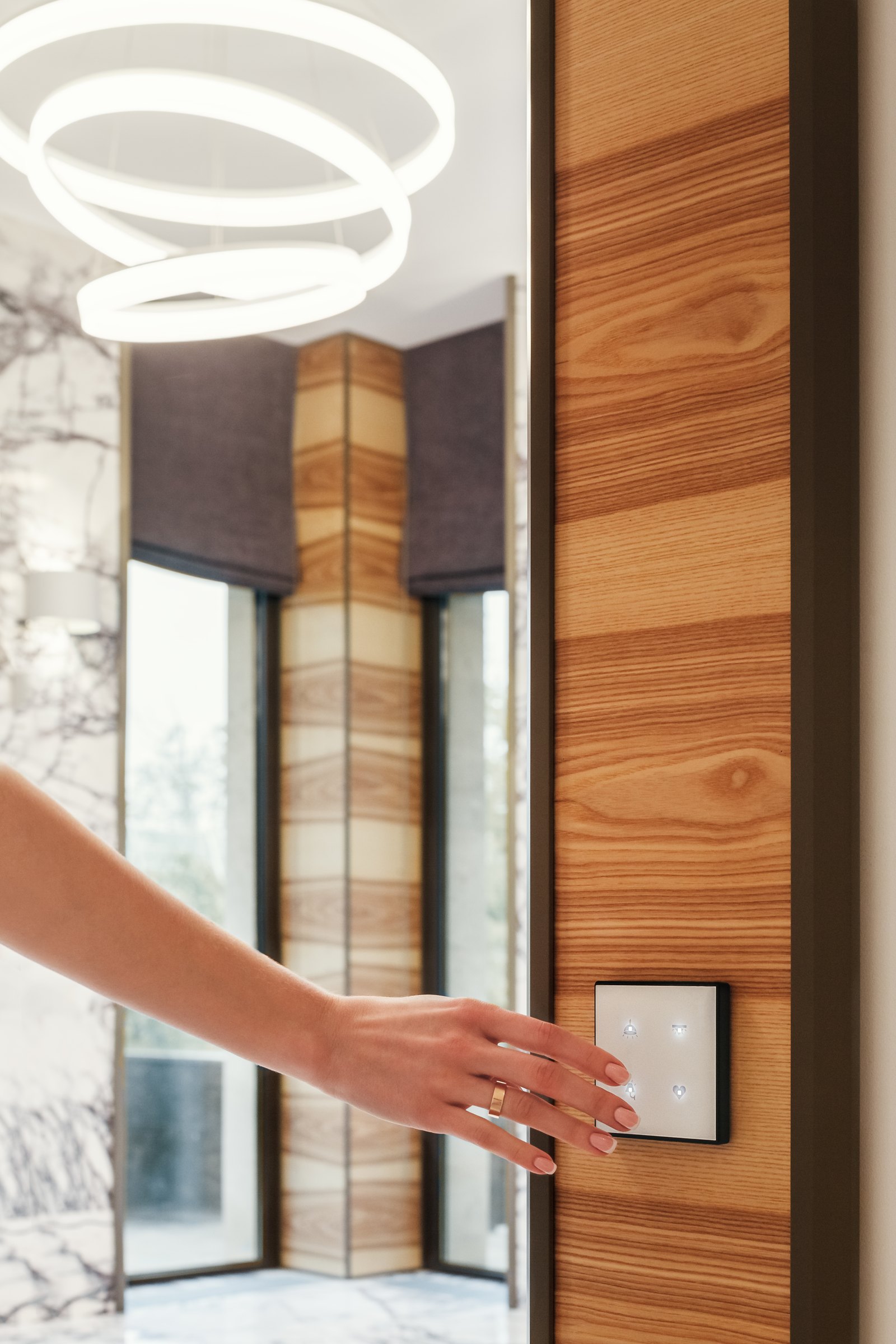
For projects that want more architectural metal or specialty keypad families such as Palladiom, Alisse or Aviena, HomeWorks is the stronger Lutron platform. See our current Lutron keypad guide for the differences.
One of the most useful current RadioRA 3 additions is Lumaris. Lutron lists Lumaris tunable-white and RGB + tunable-white tape light as Clear Connect Type X devices for RadioRA 3. This makes it possible to bring coordinated warm-to-neutral linear lighting—and selected color accents—into a RadioRA 3 project without a third-party dimmer/driver workaround.
By contrast, Lutron’s current residential Ketra and Rania Intelligent Lighting families are designed around HomeWorks. If a project wants Ketra D2 full-color downlights, Rania D2 natural-white downlights, advanced architectural keypad families or deeper centralized control, that is an early sign that HomeWorks may be the correct foundation.
For a detailed product comparison, see our Ketra, Rania and Lumaris designer’s guide.
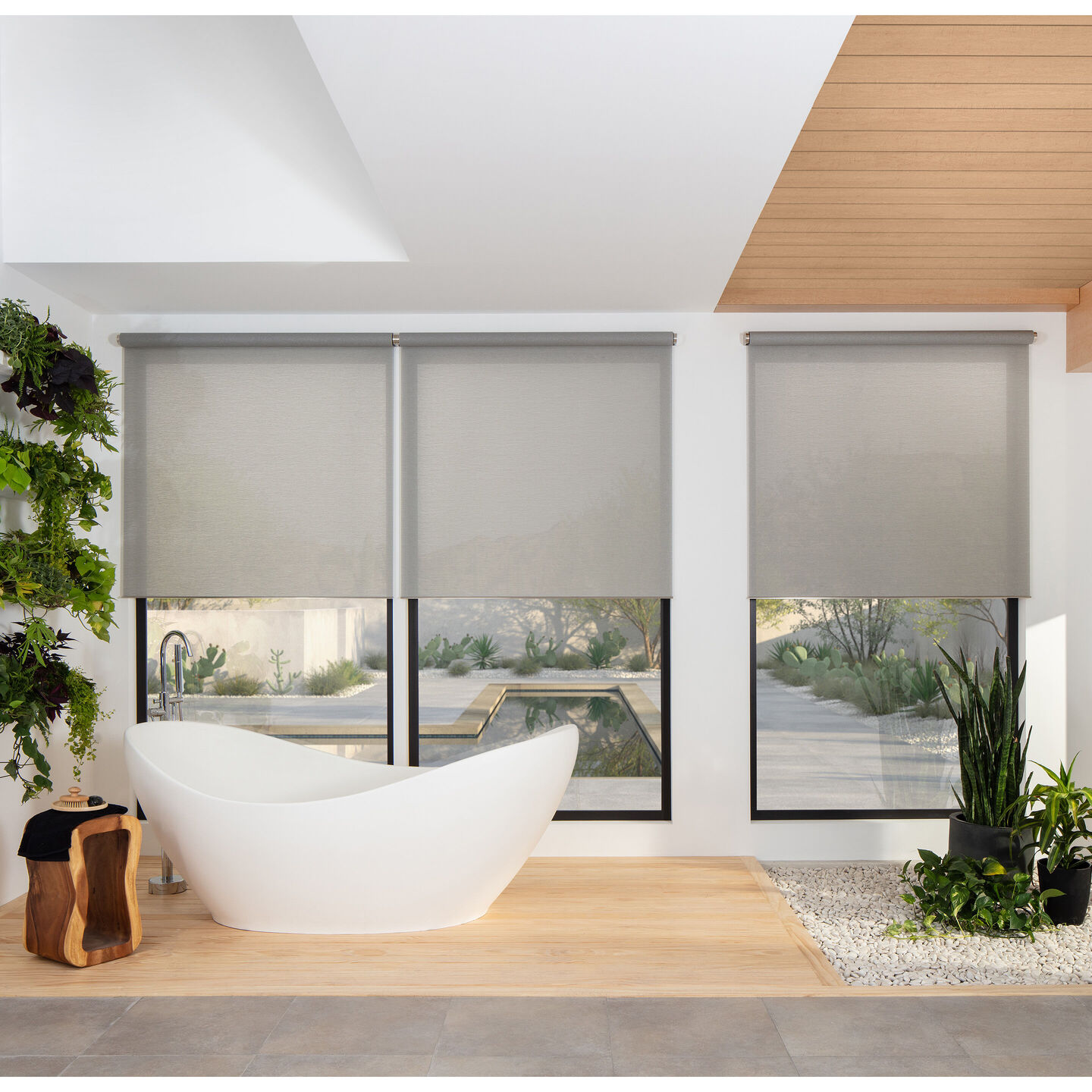
RadioRA 3 supports current Lutron wireless shade options including Sivoia QS Triathlon and Sivoia QS Wireless families, with current Lutron comparison materials also listing Palladiom wireless options for appropriate applications. Exact shade family, power method and system version should be confirmed during design rather than assumed from the fabric sample alone.
RadioRA 3 is particularly attractive in a retrofit where battery-powered or wire-free treatments can avoid opening finished walls. New construction may justify low-voltage shade power even when RadioRA 3 is used, because hidden power wiring gives the architect and owner more long-term flexibility.
The two systems overlap, but they are designed for different levels of project complexity.
RadioRA 3 is often the better fit when: the home already has conventional wallbox wiring; the project is primarily wireless; Sunnata is the preferred wall-control aesthetic; Lumaris satisfies the Intelligent Lighting requirement; compatible wireless shades cover the windows; and the homeowner wants a professional whole-home system without a major electrical redesign.
HomeWorks is usually the better fit when: the project is new construction or a major gut renovation; centralized/panelized lighting is desired; Ketra or Rania is part of the fixture schedule; Palladiom, Alisse or Aviena keypads are important; the property is very large; or the lighting/shading design requires the broadest Lutron architecture and customization.
The right answer is not “HomeWorks is better because it costs more” or “RadioRA 3 is better because it is wireless.” It is the system whose architecture matches the home.
RadioRA 3 lighting does not stop functioning simply because household Wi-Fi is unavailable; device communication uses Clear Connect. The processor still needs a properly designed network connection for programming, remote services, app features and third-party integrations.
For larger properties, Regent5 coordinates the Lutron processor location with the network and RF plan rather than placing it wherever an equipment rack happens to have an empty shelf. Lutron publishes spacing and range rules for Type X and Type A devices, and those rules matter more than a generic claim that “wireless reaches everywhere.”
Yes—this is one of its strongest use cases. If a finished home already has individual wall switches and dimmers, RadioRA 3 can often replace those local controls with smart Lutron devices while preserving much of the existing branch-circuit wiring. Scenes, shades and app control can then be added without converting the entire house to panelized lighting.
That said, a retrofit survey still matters. We check neutral availability where required, multi-way switching, fixture/dimmer compatibility, existing RadioRA 2 equipment, shade power, RF coverage, network infrastructure and how much wall repair the owner is willing to accept.
Regent5 designs, installs and programs RadioRA 3 and HomeWorks systems for homes throughout the San Francisco Bay Area and Northern California, including San Francisco, Atherton, Woodside, Hillsborough, Palo Alto, Los Altos Hills, Portola Valley, Menlo Park, San Jose, Saratoga, Los Gatos, Marin, Napa and Sonoma, and Carmel and Pebble Beach.
Select project coverage extends through Santa Barbara, Los Angeles and Orange County.
If you are deciding between a RadioRA 3 retrofit and a HomeWorks redesign, contact Regent5 for a lighting-control review. We can evaluate the existing wiring, desired keypad aesthetic, shades, Intelligent Lighting and system size before recommending the platform.
Lutron RadioRA 3
RadioRA 3 system overview and device limits
Lutron residential system comparison
RadioRA 3 shade compatibility
Device limits, compatibility and software capabilities change. Confirm the current Lutron Designer and manufacturer documentation before final specification.


.svg)

© 2024 Regent5, LLC. CSLB C10 & C7 License 1033103.