
September 21, 2026
Ketra is not simply a color-changing bulb and it is not a conventional recessed light connected to a smarter dimmer. It is Lutron’s full-color Intelligent Lighting platform: the light source itself can change intensity, white-light color temperature, saturated color and spectral rendering under native Lutron control.
For current residential design, installation and programming information, see Regent5’s Lutron Ketra intelligent-lighting page, including HomeWorks integration, Rania/Lumaris comparisons and project-planning considerations.
That difference is why Ketra belongs in the lighting and electrical conversation early. A Ketra D2 downlight, for example, is an intelligent fixture designed to communicate directly with Lutron HomeWorks over Clear Connect Type X rather than behaving like a generic LED load behind a traditional wall dimmer.
This article explains the core architecture. For the complete comparison of Ketra, Rania and Lumaris—including trims, remodel downlights, decorative lighting and outdoor applications—see our 2026 Lutron Intelligent Lighting guide.
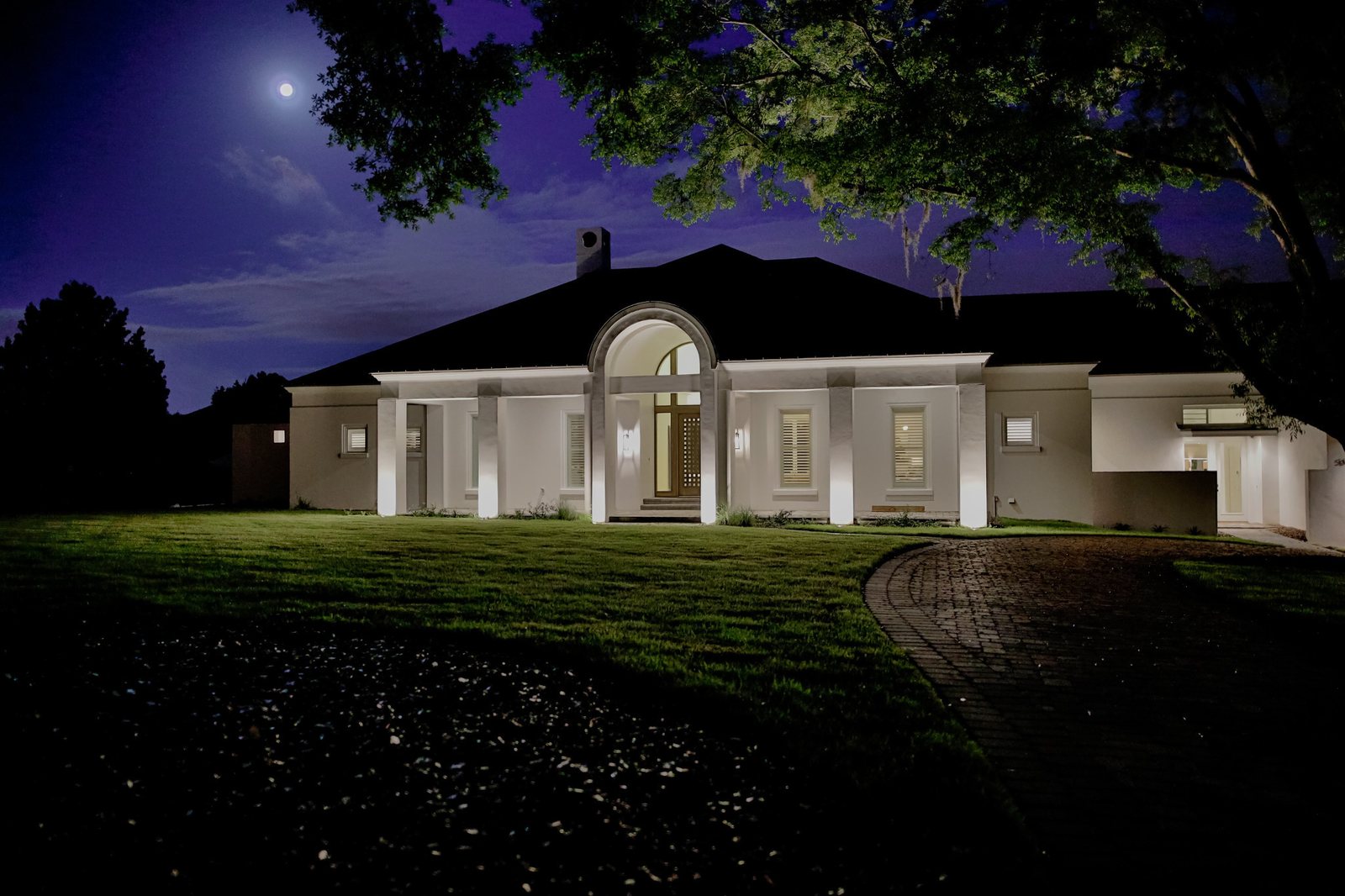
A typical LED downlight is manufactured around a fixed-white or warm-dim light engine. A separate dimmer changes its intensity by controlling the electrical load. Some fixtures add tunable-white channels, but the intelligence often remains in a separate driver or controller.
Ketra combines the light engine and native control architecture. Current Ketra D2 fixtures use a four-channel light engine, support 1,400K–10,000K white light, produce 16.7 million saturated and pastel colors, dim to 0.1%, and communicate through Lutron Clear Connect Type X.
In a typical Ketra D2 design, the fixture receives line power and the light engine responds to digital wireless commands from the Lutron system. The system is therefore not “dimming the circuit” in the same way a conventional wallbox dimmer would. This architecture makes individual addressing, scene programming and color control possible at the source.
Because the fixture is an intelligent endpoint, electrical drawings, HomeWorks design and the fixture schedule need to agree. The installer must know which sources are Ketra, how they are powered, where Type X gateways/processors belong, and how the lighting will be grouped in software.
The advantage is flexibility. A lighting designer can reorganize scenes and virtual groupings without necessarily rewiring branch circuits. A row of physically similar downlights can behave differently for art, task light, entertaining or circulation depending on the programmed scene.
The downside of treating Ketra like an ordinary dimmed fixture is that the project can create unnecessary interfaces or incompatible control methods. The fixture family should be decided before the electrician substitutes a conventional dimming strategy.
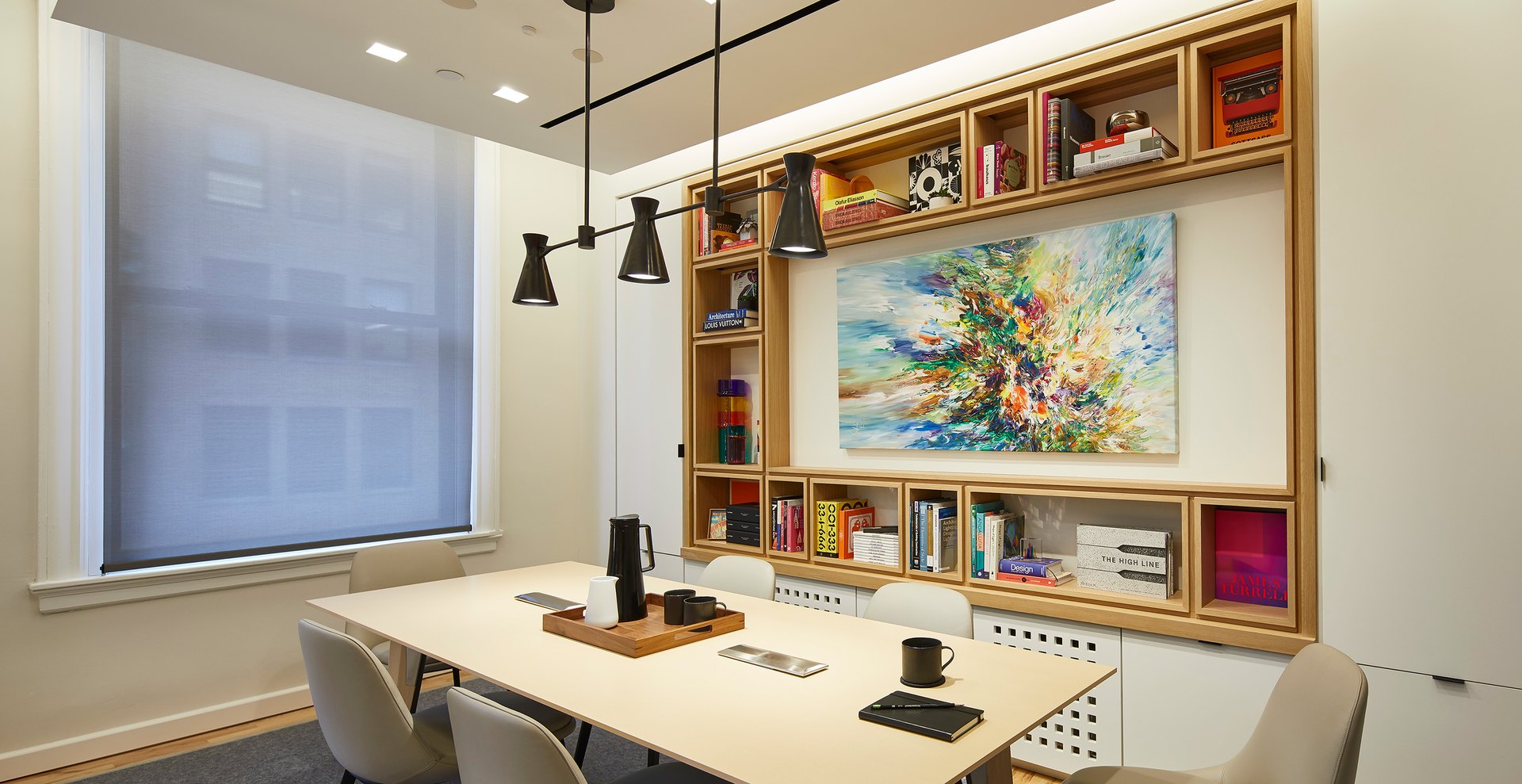
Ketra’s white-light range extends far beyond a common 2,700K/3,000K residential selection. At the warm end, 1,400K can evoke very low, candle-like light. The system can move through familiar warm and neutral whites, daylight ranges and cooler white light up to 10,000K.
The point is not that a homeowner should constantly drag a color-temperature slider. The useful design move is to commission scenes. Morning may be brighter and more neutral, daytime can complement incoming daylight, an evening scene can move warmer and lower, and a late-night path can remain very warm and restrained.
Ketra can create fully saturated color, but the strongest residential projects do not turn every room into a nightclub. Full color becomes valuable when it is intentional: entertaining, holidays, art, architecture, wine rooms, wellness areas, home theaters, children’s spaces or a specific decorative concept.
The same room can operate in elegant white light for most of the year and then transform for an occasion without adding a second set of RGB fixtures. That is very different from decorating the room around visible color-changing strips.
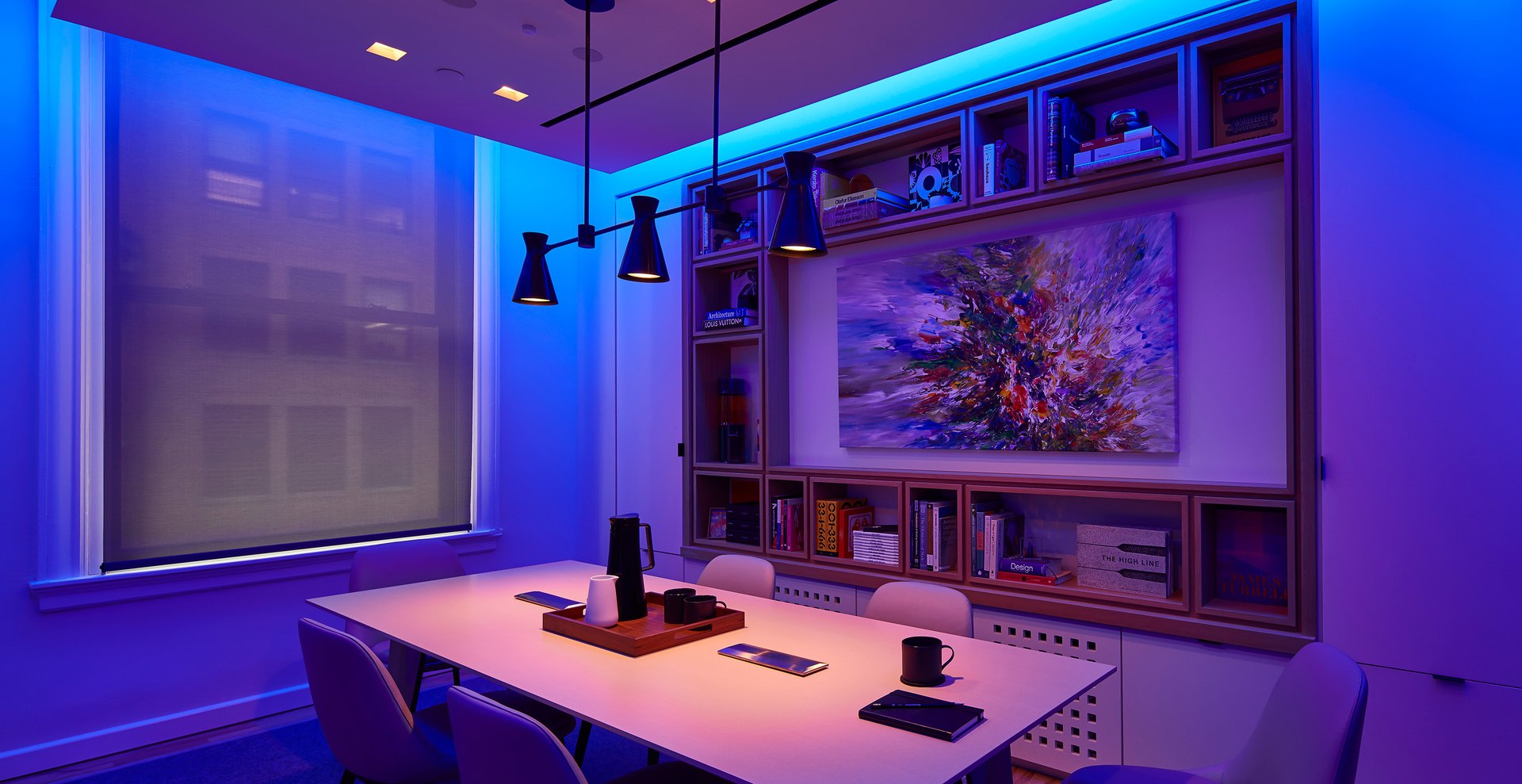
Ketra’s Vibrancy control changes how the spectrum renders colors in artwork, textiles and materials without simply making the light itself appear red, green or blue. A designer can use it to increase or reduce the apparent saturation of objects while holding a selected white-light color temperature.
This is especially useful in homes with significant art collections, richly colored fabrics, stone, timber and decorative objects. It should be commissioned in the actual room, with the actual materials, rather than selected from a brochure.
Ketra’s Color Lock technology continuously monitors and adjusts the light engine to maintain color accuracy over its operating life. In a residence with many fixtures visible together, consistency matters. A small shift in one fixture can be obvious when adjacent downlights are intended to produce the same white.
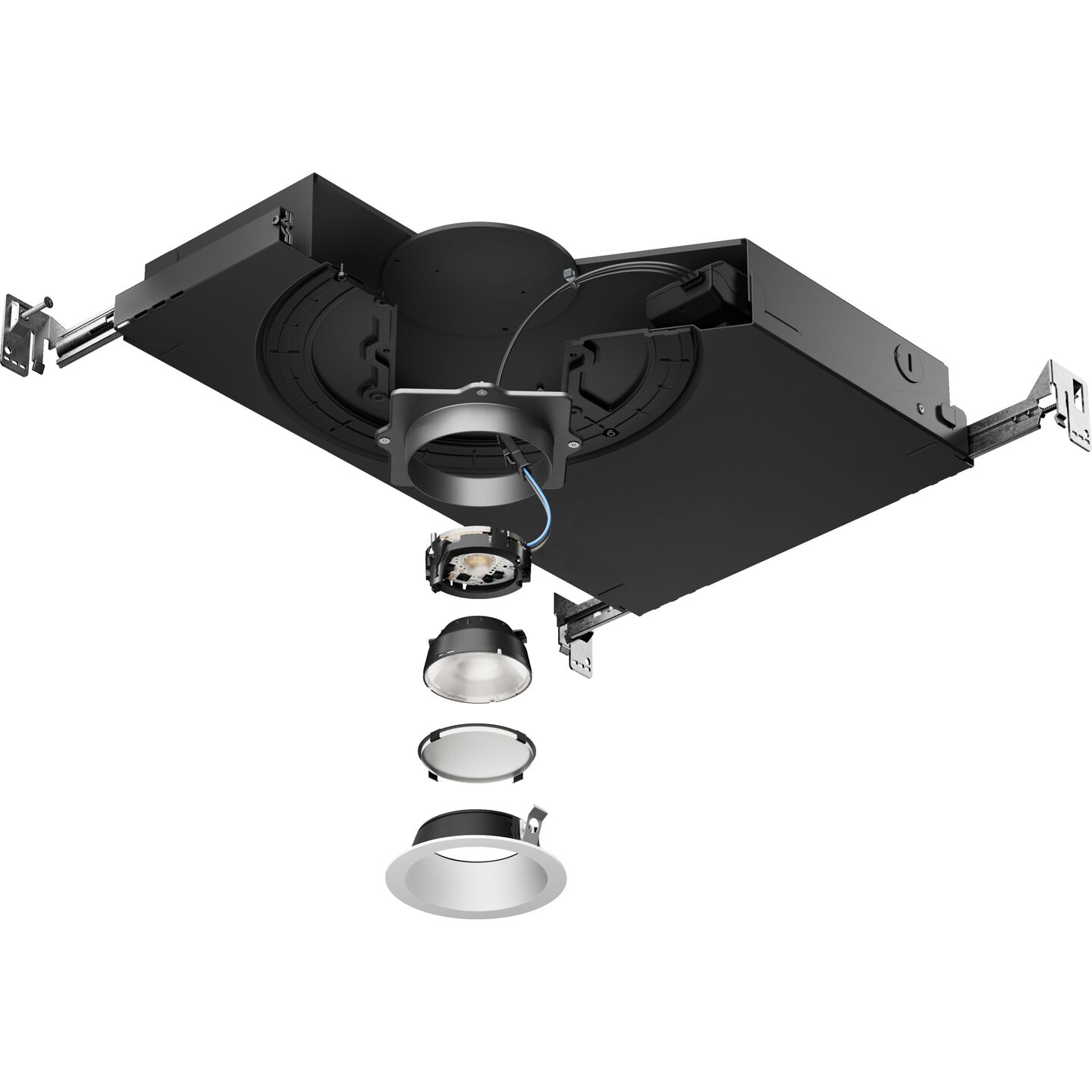
The current D2 family gives Ketra a compact two-inch aperture in fixed, adjustable and wall-wash configurations. New-construction models are designed for open framing; remodel versions install through finished ceilings. Depending on the model, the current platform offers flanged, flangeless mud-in and flangeless millwork approaches as well as multiple beam angles.
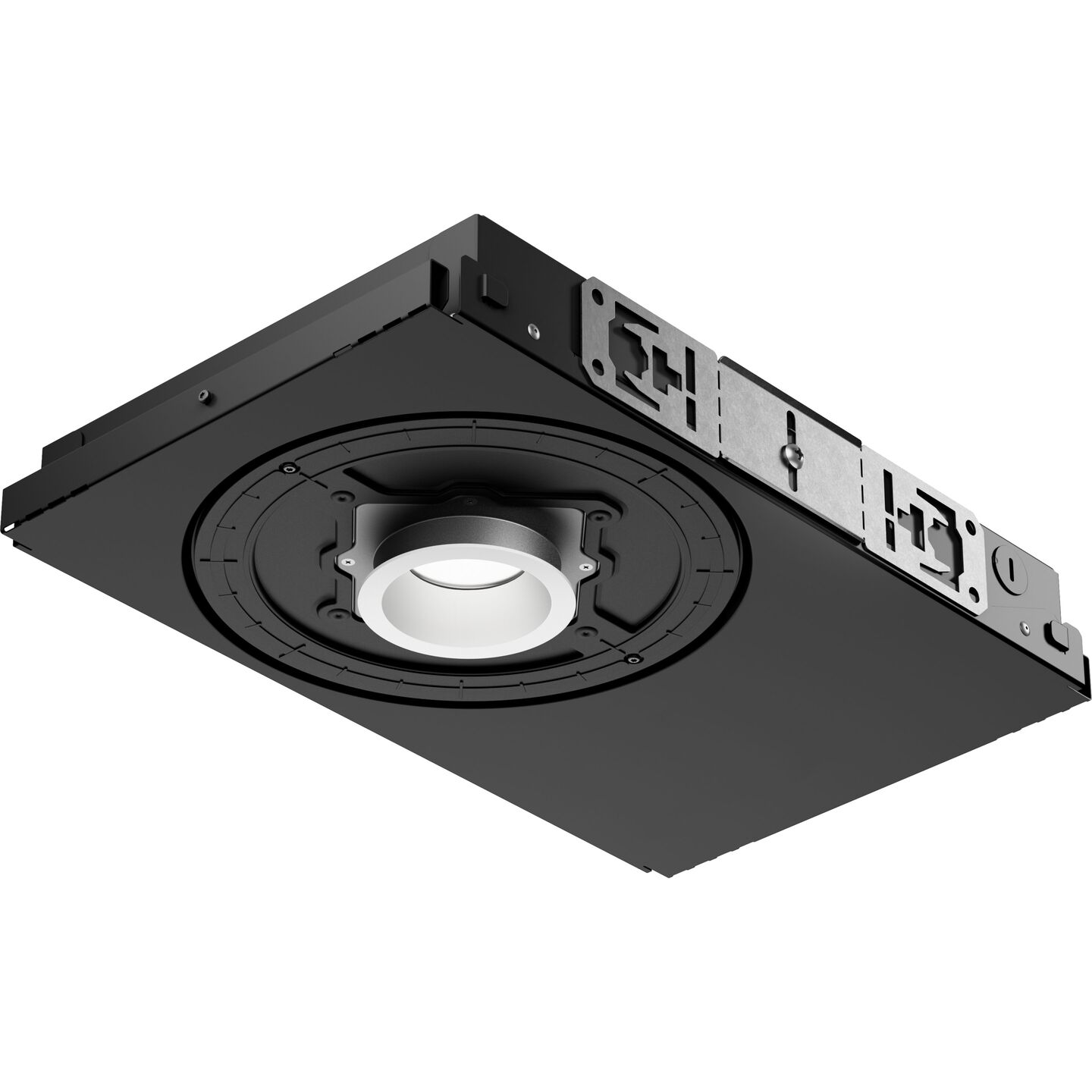
The fixture choice still needs conventional lighting-design discipline. Fixed, adjustable and wall-wash optics do different jobs. Beam spread, aiming, spacing, ceiling height, glare control and the target surface matter just as much as the color engine.

The current Ketra portfolio extends into lamps, track lighting and linear products. That means a room can carry the same quality-of-light strategy across recessed ambient light, accent sources, decorative lamp forms and selected linear details instead of mixing unrelated LED products.
Lutron’s Native by Design partnerships also extend Intelligent Lighting into selected decorative and specialty fixtures. For architects and interior designers, this is increasingly important because the architectural and decorative fixture packages no longer need to live in completely separate control worlds.
For residential projects, Ketra is a HomeWorks product family. HomeWorks provides the scene, keypad, schedule and system architecture that turns individual intelligent sources into a coherent home.
The homeowner should not have to think about 73 individual Ketra fixtures. A Palladiom, Alisse, Aviena or Sunnata keypad can present a handful of meaningful actions while HomeWorks coordinates all the sources behind those buttons. See our HomeWorks QSX guide and keypad design guide for those layers.
No. This is one of the most important practical design decisions. Ketra earns its premium where full-spectrum color, Vibrancy, very broad white-light range or art-focused scene control genuinely matters. Rania can provide sophisticated natural tunable white in the same D2 architectural language, while Lumaris can handle tunable-white and linear applications at a different price/performance tier.
A well-designed residence may use Ketra in the great room, dining room, art gallery and entertaining spaces; Rania through bedrooms and general living areas; and Lumaris in millwork, closets or secondary layers. The ceiling can remain coordinated even though the light engines are selected strategically.
Ketra is difficult to evaluate on a computer screen because the screen itself changes the color. Regent5 has two dedicated Intelligent Lighting demonstration environments—a working Office and a furnished Lounge—where Ketra, Rania and Lumaris can be compared side by side on Lutron HomeWorks QSX.
Bring paint, stone, fabric, wood or an art reference and see what each source actually does to the material. Learn about the Regent5 showroom and design center or schedule a lighting demonstration.
Lutron Ketra
Ketra D2 Fixed New Construction Downlight
Ketra D2 Adjustable Remodeler
Lutron Ketra FAQs
Product availability and specifications change. Confirm current Lutron documentation and project requirements before final specification.


.svg)

© 2024 Regent5, LLC. CSLB C10 & C7 License 1033103.