
September 16, 2026
Matter is useful technology, but it solves a different problem from a professionally designed Lutron, Savant or Control4 system. Matter was created to make consumer smart-home devices easier to commission and share across ecosystems from companies such as Apple, Google and Amazon. A professional control platform is designed to coordinate a complete project, including programming, interfaces, service and infrastructure.
The two can coexist. The mistake is assuming one makes the other obsolete.
The Connectivity Standards Alliance released Matter 1.6 on June 17, 2026. Unlike some earlier Matter releases, 1.6 was not about adding a long list of new device categories. It focused on making setup and multi-ecosystem operation more practical.
Two additions are particularly relevant:
NFC-based commissioning gives manufacturers another way to simplify onboarding, including situations where a product may be commissioned before conventional setup is convenient.
Joint Fabric improves the way a device can participate across multiple Matter ecosystems, addressing some of the awkwardness that appears when Apple Home, Google Home and Alexa all need to interact with the same device.
Matter 1.6 also adds improvements around device capability reporting, contextual control, safety-state information and other implementation details. The important point for a homeowner is simpler: Matter is becoming easier to set up and less fragile when more than one consumer ecosystem is involved.
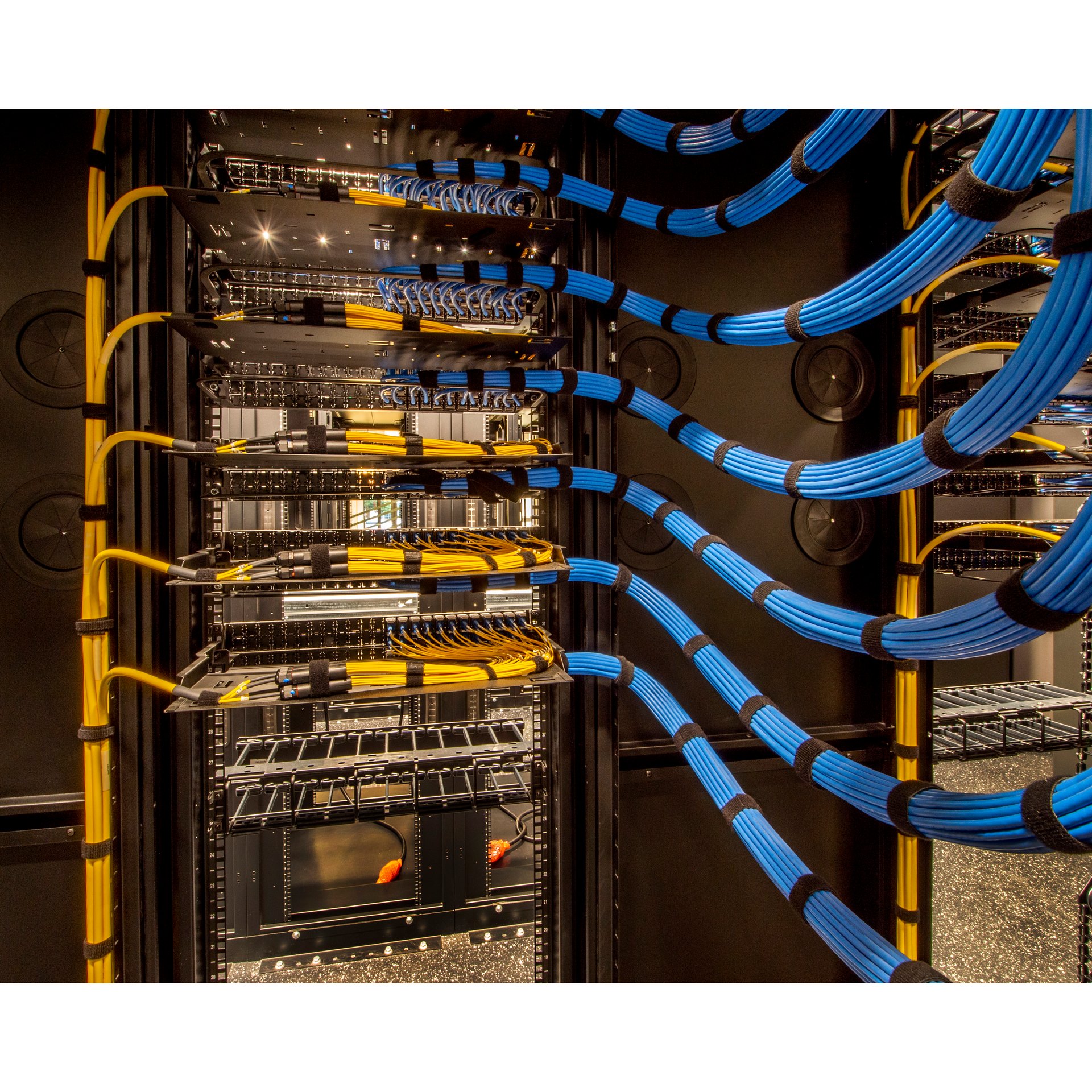
Matter is strongest when a homeowner wants selected consumer devices from different manufacturers to work in more than one consumer ecosystem without a unique proprietary bridge for every brand.
A detached office, guest suite or secondary space with a small number of compatible plugs, sensors, lamps or thermostatic devices can be an excellent Matter use case. It can also be useful when a particular specialty device is only available as a Matter accessory and the main automation platform has an appropriate path to incorporate it.
This is where the standard provides real value: at the edge of the system, where interoperability is more important than deep project-specific programming.
Matter does not design a lighting system. It does not calculate shade pockets. It does not decide which network switch should power 40 cameras. It does not document a gate intercom, engineer an equipment rack, tune a theater or establish the homeowner’s long-term service relationship.
It also does not make every Matter-certified device equally appropriate for a custom residence. Product quality, RF behavior, firmware, power architecture, security practices, manufacturer support and physical installation still matter.
Professional Lutron systems such as HomeWorks and RadioRA 3 already use Lutron’s own wired and Clear Connect RF architectures for lighting and shades, with documented integrations to professional automation platforms and voice ecosystems. The reliability of a keypad press does not need to travel through Matter to reach a Lutron load.
That dedicated architecture is valuable because the core lighting system remains a coherent system rather than a collection of individually discovered smart devices.
For current Lutron architecture, see our HomeWorks QSX guide and RadioRA 3 guide.
Savant and Control4 are whole-home automation platforms. Their role is to give the residence one commissioned user experience across multiple subsystems and manufacturers. Matter can be another integration path where the platform and specific device support it, but support must be confirmed product by product.
We do not recommend buying a Matter device and assuming it will automatically appear with full functionality in a professional system simply because both products display the Matter logo. The integration surface and supported features still depend on the platform.
Matter devices can use technologies such as Wi-Fi, Ethernet or Thread depending on the product. That means the quality of the home network and border-router architecture still affects the experience.
In a large property, the hard problems remain physical: reinforced concrete, steel, stone, long distances, detached structures, outdoor areas and device density. No interoperability standard changes radio propagation.
See our Wi-Fi 7 guide for large homes and estates.
Standards can reduce lock-in at the endpoint level. A supported Matter sensor or plug may be easier to move between consumer ecosystems than a device tied entirely to one proprietary app.
That can be useful for noncritical accessories. For the permanent infrastructure of a house—lighting panels, shade power, structured cabling, speakers, cameras, access control and electrical distribution—we still prioritize systems with clear engineering documentation and long-term support.
No. The better requirement is to define the control architecture and the intended user experience, then decide where Matter adds value.
A lighting fixture should be selected for optical quality, dimming/control compatibility and serviceability. A gate intercom should be selected for security, weather resistance and access-control architecture. A motorized shade should be selected around the window, fabric, power and system. Matter can be a useful integration attribute, but it is rarely the first design criterion for those categories.
We treat Matter as one tool in the integration toolbox. If it solves a contained interoperability problem cleanly, we use it. If a dedicated Lutron, Savant, Control4, security or networking architecture is more appropriate for the permanent system, we use that instead.
The homeowner should not have to care which protocol made a button work. The system should simply be predictable, documented and supportable.
Connectivity Standards Alliance: Matter 1.6, June 17, 2026
Matter support changes by platform, device type and software version. Confirm current manufacturer documentation before promising a specific integration.


.svg)

© 2024 Regent5, LLC. CSLB C10 & C7 License 1033103.