
September 16, 2026
Timeline is one of the first questions every client asks, and the honest answer depends heavily on one factor above all others: whether the house is new construction or an occupied retrofit. Everything else, platform choice, scope, property size, matters less to the schedule than that single distinction.

When a project is planned during framing, low-voltage cabling goes in alongside the electrical rough-in, before drywall closes the walls. Design and coordination with the architect and builder typically run in parallel with the rest of construction, so the automation timeline is largely absorbed into the build schedule rather than adding time to it. The trade-off is that decisions need to be locked earlier: panel locations, keypad and touchscreen placement, and speaker or camera wiring all have to be finalized before walls close, which means the automation contractor needs to be part of the conversation at the plan-set stage, not brought in after framing is up.

Retrofit is a different project with its own sequence: an initial site walk and discovery conversation, a design and proposal phase that can run one to three weeks for a larger multi-system project, then a pre-wire and infrastructure phase running new low-voltage cable through existing walls and ceilings where needed, followed by hardware installation, programming, and a final walkthrough. A single-room or single-system project can be a matter of days. A whole-estate project covering lighting, shading, security, and automation across a large property can run several weeks from signed proposal to final handoff, and that is normal for the scope, not a sign something has gone wrong.
Custom equipment lead times, certain keypad finishes, specialty shading fabrics, or high-demand AV components, are the most common source of delay, and they're usually outside the integrator's control. Scope changes discovered once walls are open, coordinating with other trades on an active job site, and property size and complexity, multiple structures, long cable runs to a gate or guest house, all add real time. A proposal that promises an unusually fast timeline for a large, multi-system estate project is worth a second look; it usually means either the scope is smaller than it sounds, or something in the sequencing has been skipped.
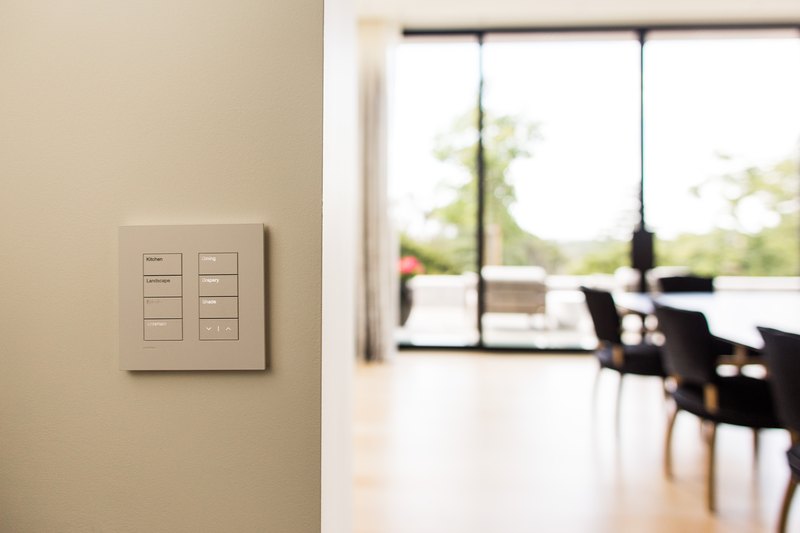
As a general pattern, a single-room lighting retrofit might take a day or two of on-site work. A whole-house RadioRA 3 retrofit across a mid-size home commonly runs a few weeks from signed proposal to walkthrough. A full estate build combining HomeWorks QSX, whole-home audio, security, and shading, coordinated with new construction, is measured in months, most of it running invisibly alongside the rest of the build rather than adding separate time at the end.
We give a realistic timeline at the proposal stage based on the actual scope, not a generic estimate meant to win the bid, and we communicate through the project rather than going quiet between the signed contract and the install date. For existing clients needing service or a system takeover, response times are separate and typically much faster: a few hours up to one to two business days depending on distance and priority.


.svg)

© 2024 Regent5, LLC. CSLB C10 & C7 License 1033103.