
September 16, 2026
For years, the smart home pitch was more: more devices, more apps, more automations to configure. The data on what actually drives satisfaction points the other way, and it's worth understanding why, especially for anyone deciding between assembling a system themselves and having one designed by someone who does this for a living.
The more individual smart devices a household adds, the more separate apps, accounts, and quirks pile up: one app for lights, another for locks, another for the thermostat, none of them reliably talking to each other. Industry research bears this out directly. Security dealers report losing sales to DIY systems at a rising rate, and roughly three in ten consumers who start out installing devices themselves eventually turn to a professional anyway, once the coordination problem outweighs the convenience of doing it themselves. Households aren't moving toward professional whole-home integration because they want more gadgets. They're moving there because they want the gadgets they already have to behave like one system instead of five.
The clearest theme in current smart home reporting is the move toward a single interface for lighting, shading, climate, security, gates, audio, and energy, replacing a phone home screen full of disconnected apps. That's precisely what a properly designed Lutron, Savant, or Control4 system already does: one interface, one login, one Scene that adjusts everything at once instead of five separate adjustments in five separate apps. Even the consumer-facing AI assistants, Amazon's Alexa+ and Google's Gemini for Home among them, are chasing the same problem from the other direction: trying to make a pile of disconnected devices feel coordinated through a smarter layer of voice control. A properly designed whole-home system solves that problem at the architecture level instead of papering over it with a smarter assistant.
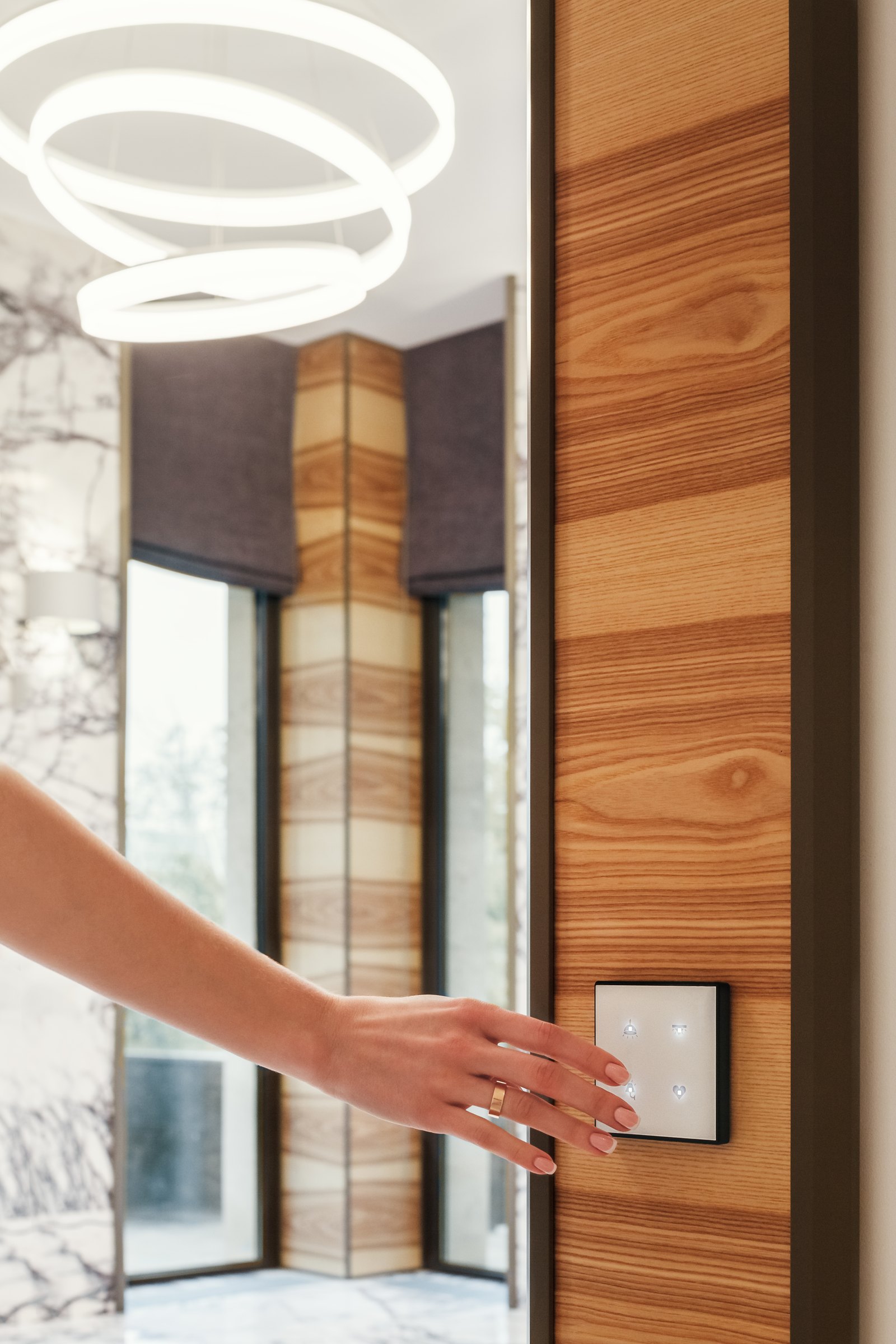
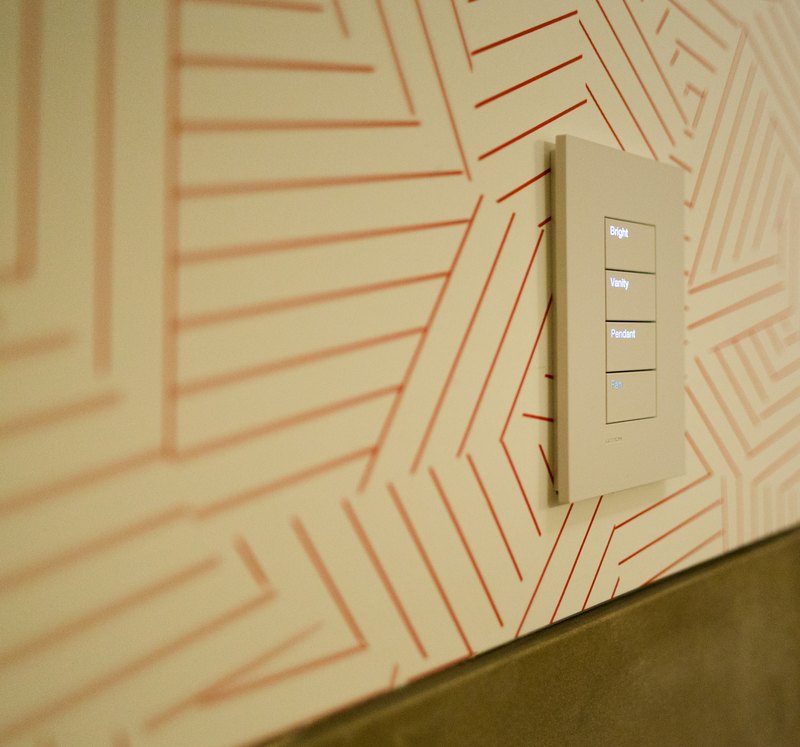
On an estate scale, the appeal was never the number of connected devices. It was walking into a room and having it feel right without touching anything. A Scene that quietly does the work of a dozen manual adjustments, dimming the downlights, warming the color temperature, lowering one shade and leaving another, is a better experience than a dashboard of a hundred individually controllable things. A single Palladiom or Aviena keypad with one button labeled Evening does more real work than a phone full of icons, and it does it without asking anyone to open an app first. The best-run automation projects we design build toward fewer decisions for the person living there, not more settings to manage.
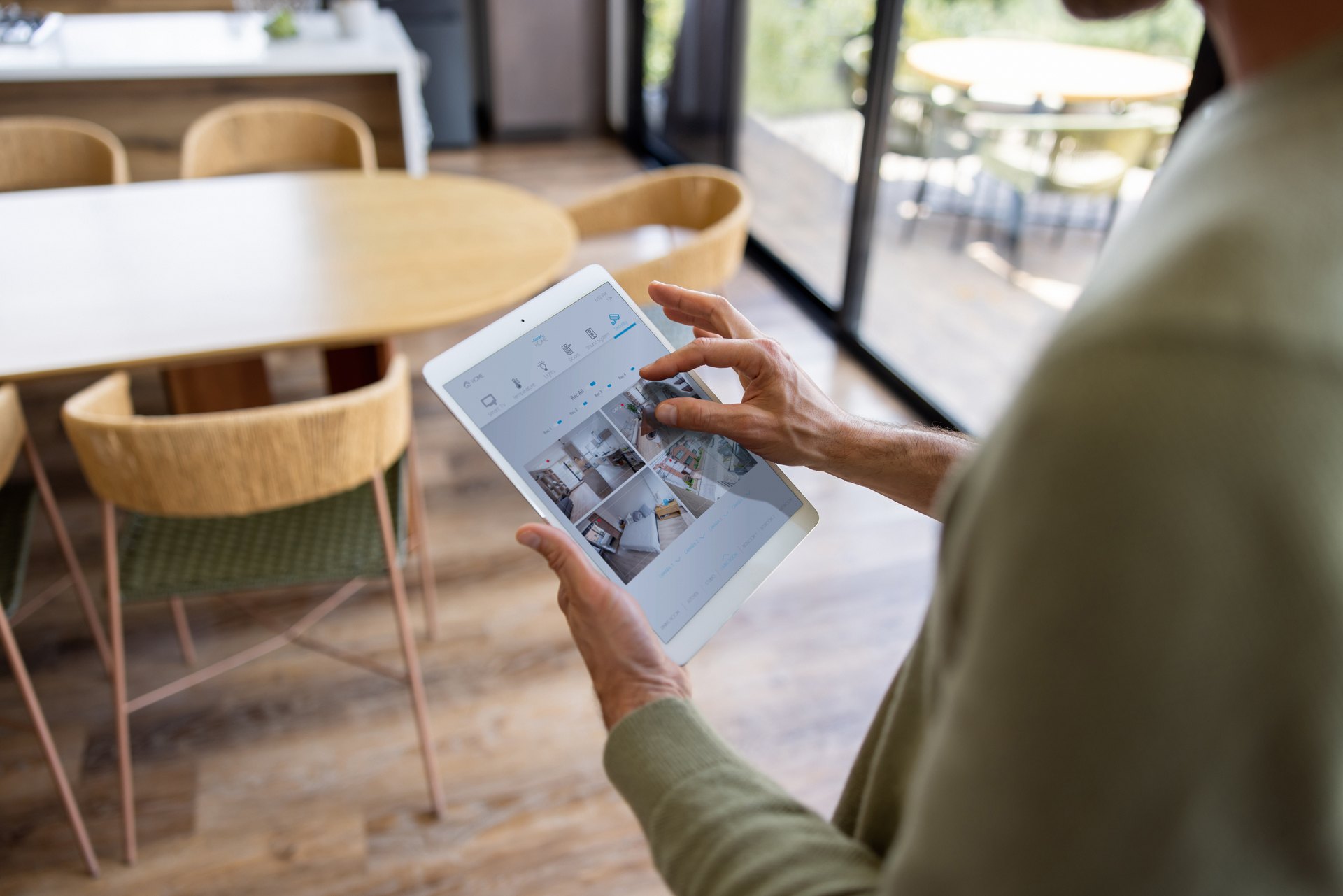
Adding capability, AI-powered camera detection, energy monitoring, individual access profiles for staff, is worth doing when it removes a decision from someone's day, not when it adds one. A gate that recognizes a returning car and opens itself is simplicity. A security app that requires checking four separate camera feeds to answer one question is not, no matter how advanced the underlying AI is. Regent5 designs every system around that distinction: capability in the engineering, simplicity in what the client actually has to think about day to day.
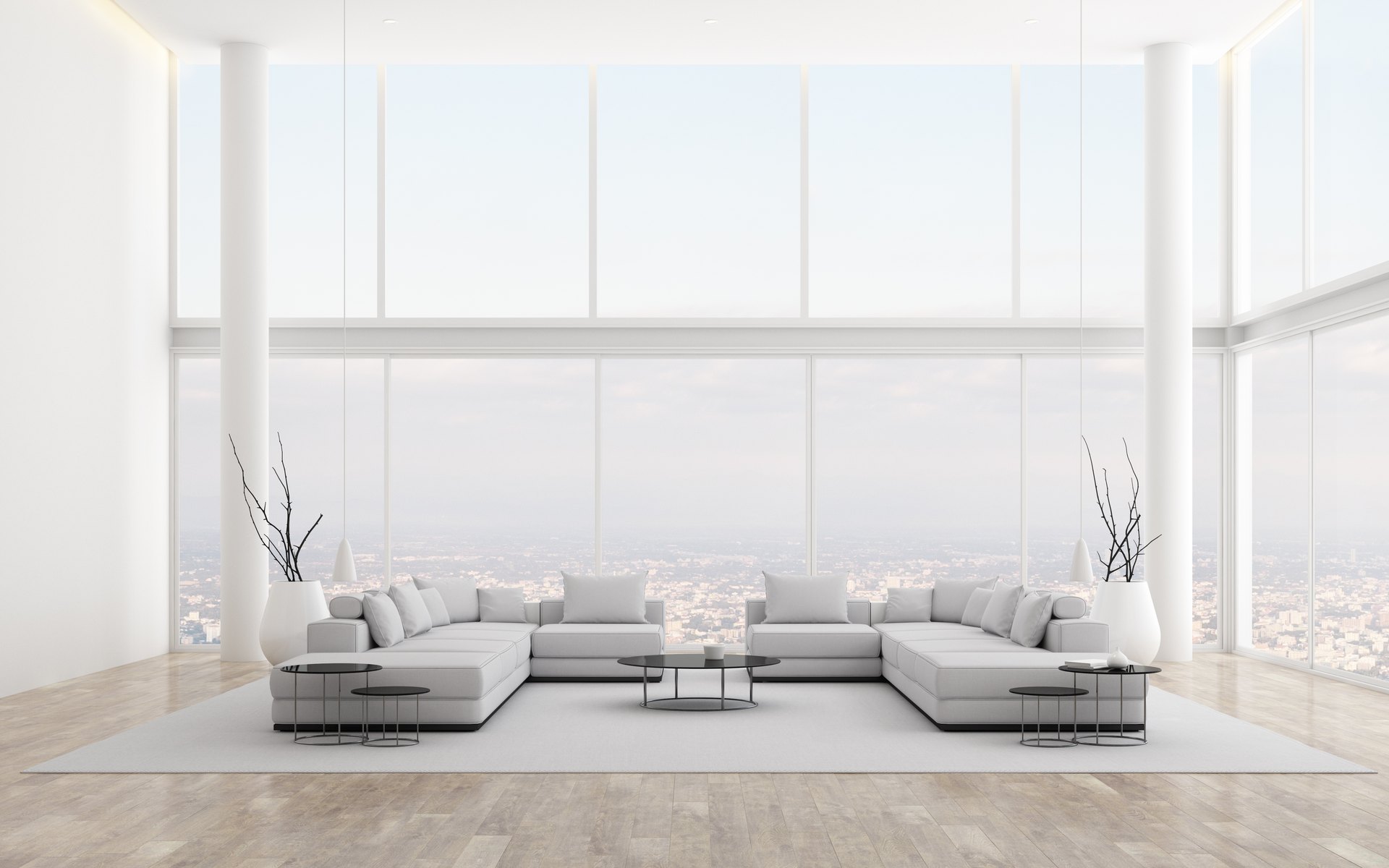
It's easiest to see in a retrofit. A client with an existing pile of consumer smart plugs, a couple of video doorbells, and a smart thermostat usually isn't asking for more devices when they call. They're asking for the ten things they already own to stop requiring ten separate check-ins. The fix is rarely adding hardware. It's usually consolidating control: bringing lighting onto one RadioRA 3 or HomeWorks backbone, folding security and climate into a single Control4 or Savant interface, and retiring the apps nobody wants to open anymore. The device count usually goes down. The house gets simpler to live in, not more complicated.


.svg)

© 2024 Regent5, LLC. CSLB C10 & C7 License 1033103.