
October 12, 2026
The most expensive smart-home decision is not always buying premium equipment. Sometimes it is spending premium money on the wrong layer of the system.
A television will be replaced. A streaming box will be obsolete. A control app will change. But conduit behind stone, a shade pocket inside a ceiling, architectural speaker locations, lighting circuits, fiber between buildings and the equipment-room layout may remain part of the house for decades.
That is the distinction Regent5 uses when helping a homeowner decide where to invest: spend on the infrastructure that is difficult to change later, spend on the experiences used every day, and stay pragmatic about replaceable endpoints.
Structured cabling, fiber, conduit, electrical distribution, shade power, equipment-room pathways and architectural backboxes are not exciting purchases. They are also among the most expensive things to add after plaster, stone, millwork and landscaping are finished.
For a new custom home, generous infrastructure protects future choice. A spare conduit to a gate or roof does not require knowing which camera or antenna will exist in ten years. Fiber between the main residence and guest house can outlive several generations of network switches.

Lighting is one of the few technology systems a homeowner interacts with in almost every occupied room, every day. A well-designed control system can reduce wall clutter, create useful scenes, coordinate shades and make the house easier for guests to understand.
This is where spending for architecture and reliability can make sense. Lutron HomeWorks and RadioRA 3 are not valuable because an app can turn on a light; inexpensive products can do that. Their value is the coordinated system: dedicated RF/wired architecture, professionally programmed scenes, architectural controls, shade integration and long-term service.
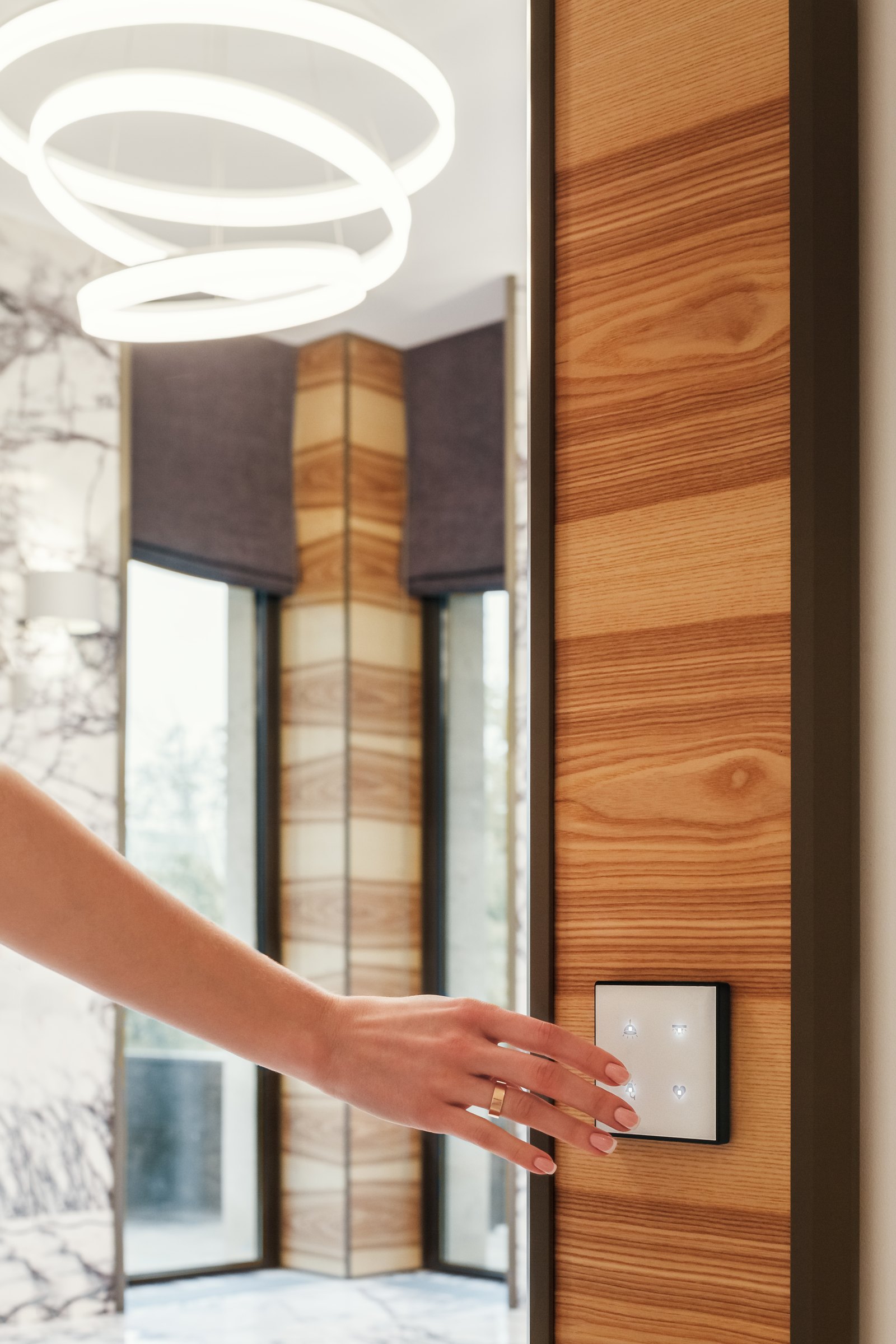
For current options, see our Lutron keypad guide and Ketra, Rania and Lumaris guide.
Ketra can deliver an exceptionally broad white-light range, full color and advanced spectral control. Rania can provide refined natural tunable white in the same D2 architectural language. Lumaris can address tunable-white and linear applications at a different cost tier.
The premium strategy is not “specify the most expensive source in every ceiling.” It is to put capability where the architecture and use justify it. Ketra may earn its cost in an art-focused great room and entertaining spaces; Rania may be a more rational choice through general living areas; Lumaris can handle coves and millwork.
That mixed specification often creates a better project than treating price as a proxy for design quality.
Motorized shades can look deceptively simple after installation. The real work is hidden: pocket depth, roller size, power, fabric, side channels, alignment, service access and integration with the lighting system.
Large window walls, hard-to-reach glazing and rooms where glare/privacy changes throughout the day are places where professional shades earn their cost. A small secondary bedroom with one ordinary window may not need the same hardware strategy as a 20-foot glass wall in a great room.
See our Lutron Palladiom, Sivoia and Triathlon shade guide and solar-shade fabric guide.
Every streaming service, camera, access-control system, automation processor and remote-support session depends on the network. Large houses add construction materials, long distances, outdoor areas and hundreds of endpoints that consumer mesh kits were not designed to solve casually.
Professional networking value comes from design: wired backhaul, access-point placement, switching capacity, PoE budgets, fiber, segmentation, UPS protection and documentation. The brand matters less than whether the network was engineered for the property.
Our Wi-Fi 7 guide explains that infrastructure in more detail.
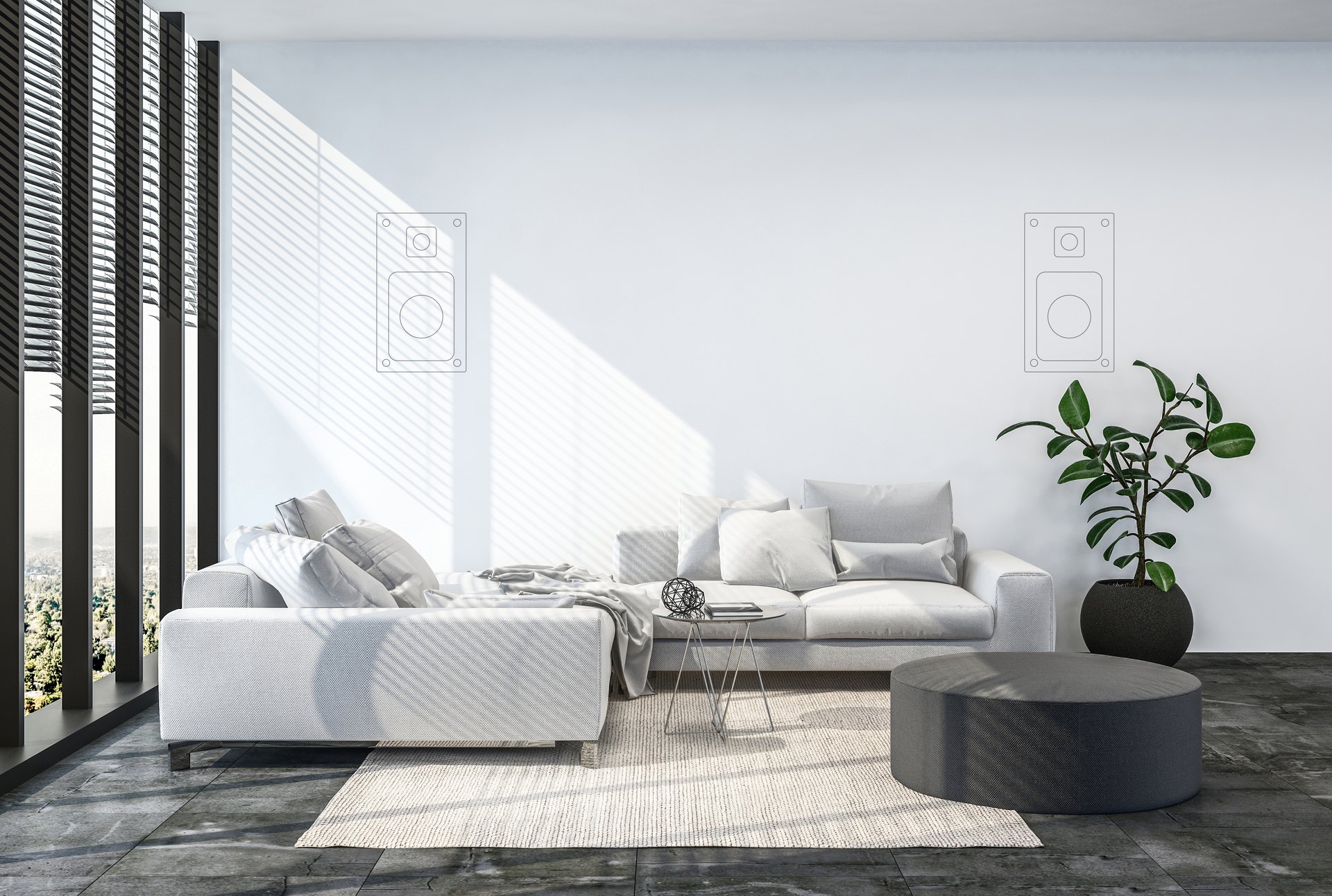
A modest speaker in the correct location can produce a better daily experience than an expensive speaker poorly placed around lighting and HVAC. Distributed audio needs consistent coverage, the right number of zones and a sensible control experience.
Sonos Amp can be an excellent foundation for architectural speakers in many rooms. More specialized amplification and speakers can be justified for important listening spaces, theaters and large outdoor areas. The home does not need the same audio tier everywhere.
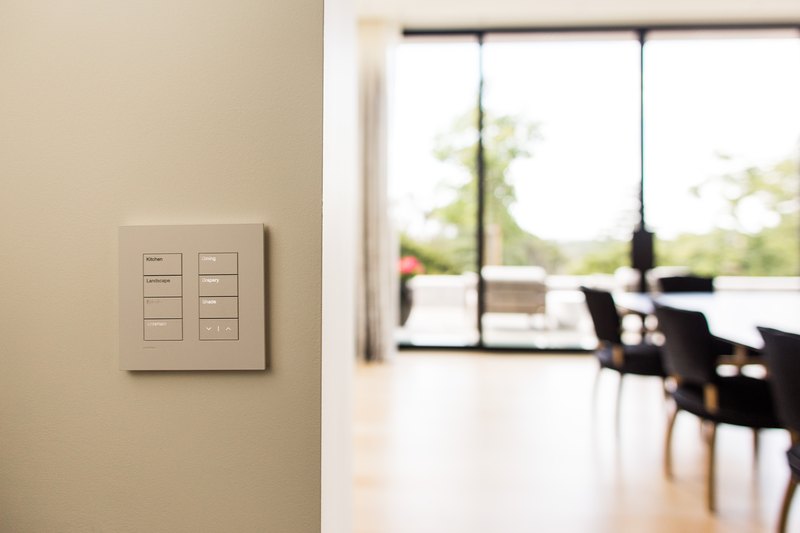
See our current Sonos whole-home audio guide.
A soundbar is often the correct answer in a guest room or casual television space. Spending heavily there can produce diminishing returns.
A dedicated cinema is different because architecture, acoustics, speaker positions, seating, screen size, bass management and HVAC noise are all designed as one experience. The value is not the retail price of the processor; it is the performance of the completed room.
The same principle applies to two-channel listening. Invest where the household actually listens critically, not simply where the equipment will be photographed.
Backup systems are another category where “more hardware” is not automatically better. A large battery bank can still perform poorly if the project never decided which HVAC zones, gates, pumps, refrigerators, networks and security systems must remain online.
Critical-load planning, generator strategy, solar production, transfer architecture and smart load management can be more valuable than adding another battery module without a clear operating plan.
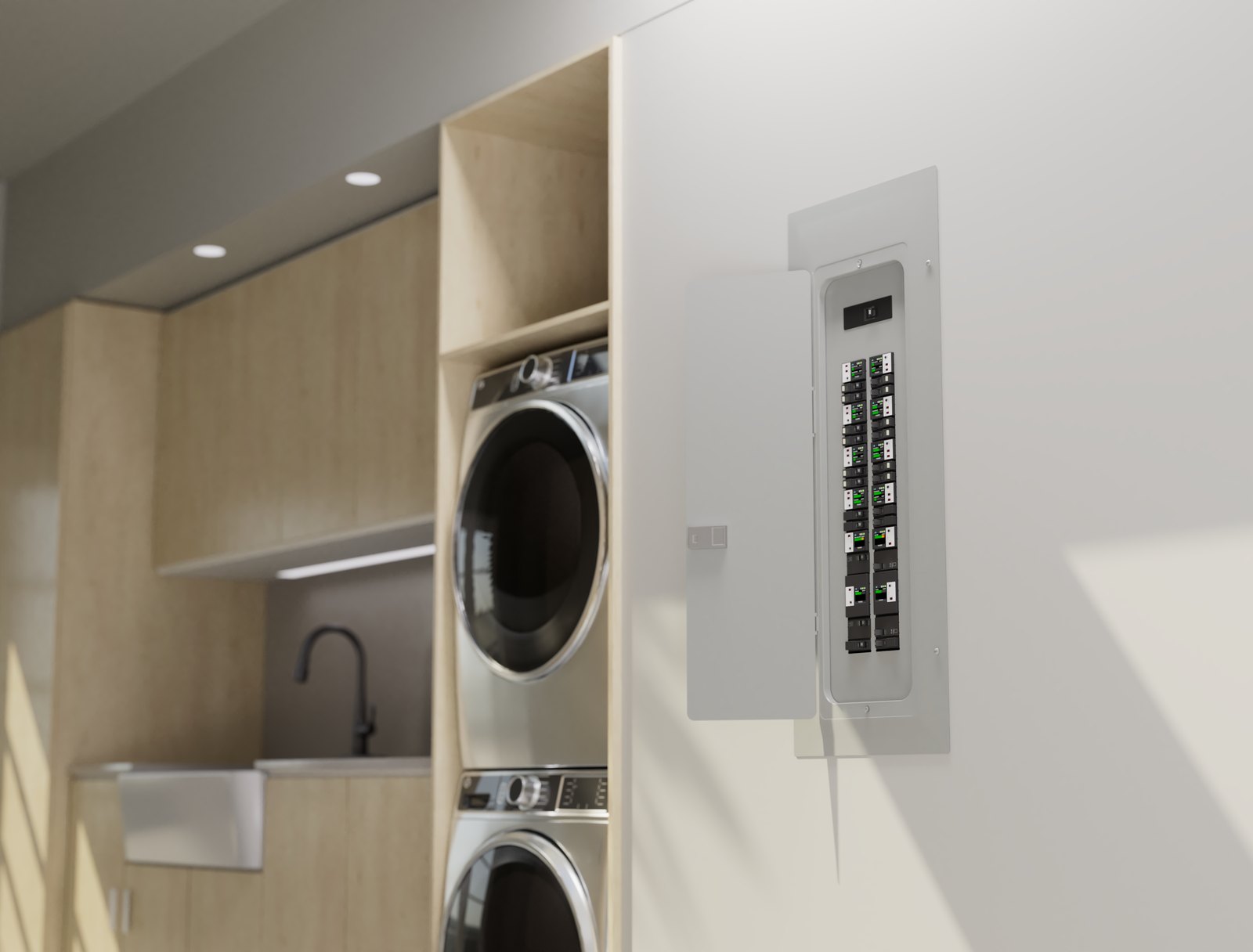
See our critical-load planning guide and estate backup-power guide.
Replaceable endpoint electronics. A guest-room television, streaming player or small touchscreen does not need to become a permanent architectural investment if it can be replaced cleanly later.
Automation nobody uses. A complex sequence is not valuable simply because it is possible. If the family consistently overrides it, simplify it.
One premium tier in every room. Not every bedroom needs the same speaker, keypad finish or lighting engine as the great room.
Features that depend on one cloud service for basic operation. Convenience services can be excellent, but critical daily functions should still have dependable local control paths.
A technology system is an asset only if someone can understand it five years later. Racks need labels. Cabling needs documentation. Accounts need an owner. Project files and programming backups need to exist. Shade motors and AV devices need accessible service paths.
This is one reason a beautifully hidden system can still be poorly designed: if opening a wall is required to replace a power supply, the visual minimalism was purchased by borrowing against future maintenance.
See our AV rack design guide and questions to ask an integrator.
A custom residence does not need the most expensive version of every technology. It needs a hierarchy that reflects how the family lives and how difficult each layer will be to change later.
Invest heavily in infrastructure and the systems used constantly. Use premium architectural products where they materially improve the room. Keep replaceable electronics replaceable. Document everything.
That approach produces a home that can evolve without repeatedly tearing apart the architecture.
Regent5 coordinates electrical, low-voltage, lighting, shades, networking, audio/video, security and resilient power for custom homes throughout the San Francisco Bay Area and Northern California.
Select project coverage extends through Santa Barbara, Los Angeles and Orange County.
If you are trying to decide where a technology budget will have the most lasting value, contact Regent5 during design development. The most useful conversation is often what not to over-specify.


